Welcome to the official website of Xi'an Yuli Electronic Technology Co., Ltd.


Understanding Radio Frequency Relays: The Future of Electronic Switching
2025-05-08
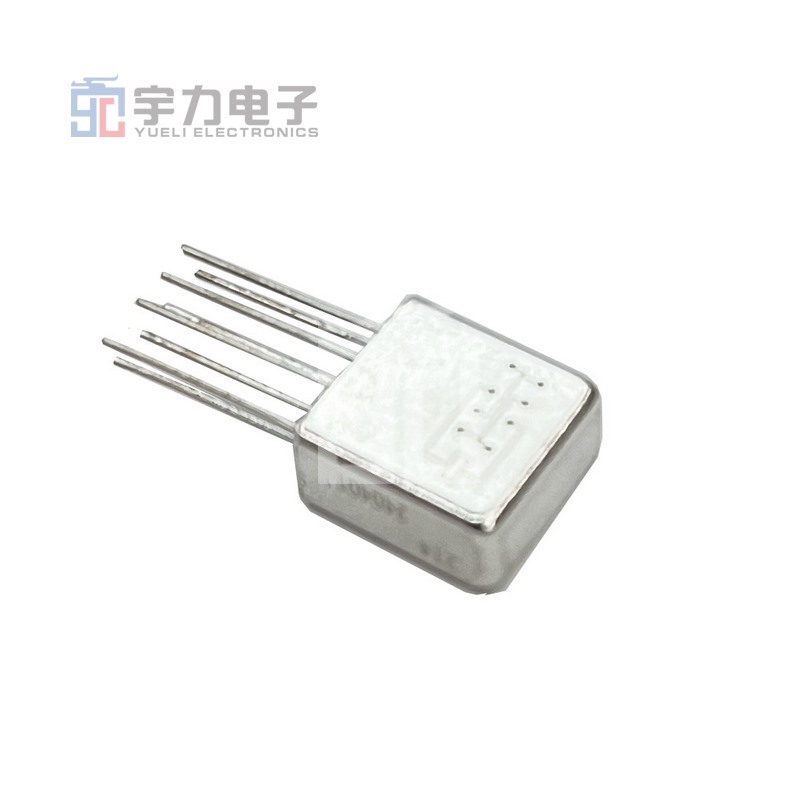
Radio frequency relays (RFRs) are a critical component in the realm of electronic devices, primarily serving as switches that operate using radio frequency signals. Unlike traditional electromechanical relays that rely on physical contacts to open and close circuits, radio frequency relays utilize electromagnetic fields to achieve similar results. This unique functionality positions RFRs as a versatile choice for various applications, particularly in industries where space, speed, and efficiency are paramount.
One of the primary advantages of radio frequency relays is their ability to operate without direct physical contact. This means they can switch circuits on and off with minimal wear and tear, resulting in a longer lifespan compared to conventional relays. Furthermore, their contactless operation reduces the risk of arcing, which is often a concern with traditional relay systems. This characteristic makes RFRs particularly appealing for applications involving high-frequency signals, where reliability is essential.
Radio frequency relays are commonly employed in wireless communication systems. They play a vital role in devices such as remote controls, wireless sensors, and other applications that require dependable signal transmission over short to moderate distances. Their ability to rapidly switch states allows for seamless communication, making them an integral part of modern technology.
In addition to wireless communication, RFRs find usage in automation and control systems. For example, they are employed in industrial machinery to manage various functions remotely, enhancing operational efficiency and safety. The integration of radio frequency relays into automation processes allows for increased flexibility and scalability, enabling industries to adapt to changing demands with ease.
When considering the implementation of radio frequency relays in your projects, it's essential to understand the various specifications and types available in the market. Factors such as frequency range, switching speed, and power handling capabilities can significantly impact the performance of the relay in your specific application. Therefore, thorough research and consultation with industry experts can help you choose the most suitable RFR for your needs.
In conclusion, radio frequency relays represent a significant advancement in electronic components, offering a range of benefits that are invaluable in today’s fast-paced technological landscape. Their applications span various industries, from telecommunications to automation, illustrating their versatility and importance in driving innovation. Understanding the unique features and advantages of radio frequency relays can empower professionals to make informed decisions, ultimately enhancing the efficiency and effectiveness of their electronic systems.
One of the primary advantages of radio frequency relays is their ability to operate without direct physical contact. This means they can switch circuits on and off with minimal wear and tear, resulting in a longer lifespan compared to conventional relays. Furthermore, their contactless operation reduces the risk of arcing, which is often a concern with traditional relay systems. This characteristic makes RFRs particularly appealing for applications involving high-frequency signals, where reliability is essential.
Radio frequency relays are commonly employed in wireless communication systems. They play a vital role in devices such as remote controls, wireless sensors, and other applications that require dependable signal transmission over short to moderate distances. Their ability to rapidly switch states allows for seamless communication, making them an integral part of modern technology.
In addition to wireless communication, RFRs find usage in automation and control systems. For example, they are employed in industrial machinery to manage various functions remotely, enhancing operational efficiency and safety. The integration of radio frequency relays into automation processes allows for increased flexibility and scalability, enabling industries to adapt to changing demands with ease.
When considering the implementation of radio frequency relays in your projects, it's essential to understand the various specifications and types available in the market. Factors such as frequency range, switching speed, and power handling capabilities can significantly impact the performance of the relay in your specific application. Therefore, thorough research and consultation with industry experts can help you choose the most suitable RFR for your needs.
In conclusion, radio frequency relays represent a significant advancement in electronic components, offering a range of benefits that are invaluable in today’s fast-paced technological landscape. Their applications span various industries, from telecommunications to automation, illustrating their versatility and importance in driving innovation. Understanding the unique features and advantages of radio frequency relays can empower professionals to make informed decisions, ultimately enhancing the efficiency and effectiveness of their electronic systems.
Xi'an Yuli Electronic Technology Co., Ltd.
Whats App:+8618122061211

Message consultation
Note: Please leave your contact information and our professionals will contact you as soon as possible!