Welcome to the official website of Xi'an Yuli Electronic Technology Co., Ltd.


The Role of Polarized Relays in Advanced Electrical Systems
2025-05-09
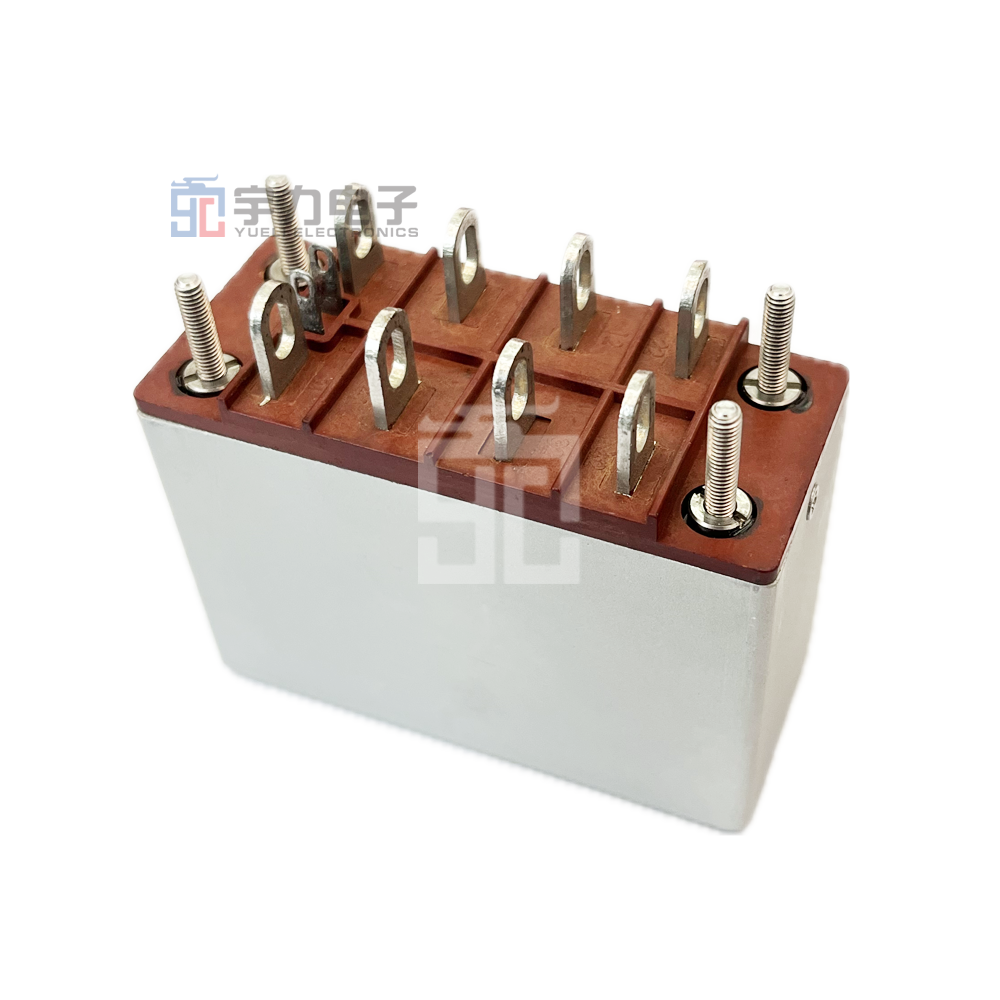
The Role of Polarized Relays in Advanced Electrical Systems
In the ever-evolving realm of electrical engineering, the importance of reliable components cannot be overstated. Among these components, polarized relays stand out for their unique attributes and capabilities. This article delves deep into the role of polarized relays in advanced electrical systems, examining their functionalities, benefits, and applications in various fields.
Table of Contents
- What are Polarized Relays?
- How Do Polarized Relays Work?
- Advantages of Polarized Relays in Electrical Systems
- Applications of Polarized Relays in Various Industries
- Polarized Relays vs. Non-Polarized Relays: A Comparative Analysis
- Common Issues with Polarized Relays and Their Solutions
- The Future of Polarized Relays in Advanced Electrical Systems
- Frequently Asked Questions (FAQs)
What are Polarized Relays?
Polarized relays are specialized electrical devices that utilize a magnetic field to control the operation of contacts. They are distinct because they require a particular polarity of voltage to function correctly. This feature makes them ideal for applications where directional control is critical. Typically, polarized relays are constructed with an armature, a coil, and a magnet, working together to open or close electrical circuits based on the input signal's polarity.
The Basic Structure of Polarized Relays
The fundamental components of a polarized relay include:
- Coil: Generates a magnetic field when current flows through it.
- Armature: A movable part that is influenced by the magnetic field.
- Magnet: Provides a fixed magnetic field, allowing the relay to operate based on the direction of the current.
How Do Polarized Relays Work?
Understanding the operation of polarized relays requires knowledge of electromagnetic principles. When an electric current passes through the coil, it creates a magnetic field that interacts with the magnet's field. Depending on the direction of the current, the armature either moves toward or away from the magnet, opening or closing the circuit as required.
Steady-State and Transient Conditions
Polarized relays can operate effectively under both steady-state and transient conditions. In steady-state, the relay maintains its position based on the current flow, while in transient conditions, it responds rapidly to changes in the input signal. This responsiveness is crucial in applications demanding real-time control.
Advantages of Polarized Relays in Electrical Systems
Polarized relays offer several advantages that enhance their functionality in advanced electrical systems:
1. Directional Control
One of the primary benefits of polarized relays is their ability to provide directional control. This capability is vital in applications requiring specific circuit configurations, ensuring that the current flows in the intended direction.
2. Enhanced Reliability
These relays exhibit superior reliability compared to their non-polarized counterparts. The magnetic field's stabilizing effects contribute to reduced wear and tear, leading to longer operational lifespans.
3. Improved Sensitivity
Polarized relays can detect even small changes in current, making them highly sensitive to fluctuations. This sensitivity is crucial in applications where precision is paramount.
4. Reduced Power Consumption
Due to their design, polarized relays require less energy to operate, which contributes to overall energy efficiency in electrical systems.
Applications of Polarized Relays in Various Industries
The versatility of polarized relays allows them to be employed across numerous industries, including:
1. Telecommunications
In telecommunications, polarized relays are used to control signal routing, ensuring efficient communication pathways. Their reliability is crucial for maintaining uninterrupted service.
2. Automotive Electronics
Automobile manufacturers utilize polarized relays in various electrical systems, such as power windows, lights, and safety features, where precise control and dependability are essential.
3. Aerospace
In the aerospace sector, polarized relays are integral to avionics systems, providing critical control in navigation and communication equipment.
4. Industrial Automation
Polarized relays play a significant role in industrial automation, controlling machinery and robotic systems to enhance productivity and efficiency.
Polarized Relays vs. Non-Polarized Relays: A Comparative Analysis
While both polarized and non-polarized relays serve the same fundamental purpose of controlling electrical circuits, their operational differences lead to distinct advantages and disadvantages.
Operational Differences
Polarized relays require a specific polarity for operation, while non-polarized relays can function regardless of current direction. This distinction can influence the choice of relay in various applications.
Application Suitability
Polarized relays are best suited for applications demanding directional control and enhanced reliability, whereas non-polarized relays are often used in simpler systems where such precision is unnecessary.
Common Issues with Polarized Relays and Their Solutions
Despite their advantages, polarized relays can encounter certain issues that may hinder performance. Understanding these problems and their solutions is vital for maintaining system integrity.
1. Coil Burnout
Coil burnout can occur due to excessive current or voltage. To mitigate this risk, it is essential to implement proper circuit protection mechanisms, such as fuses or circuit breakers.
2. Mechanical Wear
Over time, the mechanical components of polarized relays may wear out. Regular maintenance and inspections can help identify and address potential issues before they lead to failure.
3. Magnetic Interference
External magnetic fields can affect the operation of polarized relays. Shielding techniques can be employed to minimize interference and maintain reliable operation.
The Future of Polarized Relays in Advanced Electrical Systems
The future of polarized relays looks promising as technology continues to advance. With the development of smart electrical systems and the increasing demand for automation, the role of polarized relays is expected to expand. Innovations in materials and design may lead to even greater efficiencies and capabilities, ensuring that polarized relays remain a vital component in the electrical engineering landscape.
Frequently Asked Questions (FAQs)
1. What is the main purpose of a polarized relay?
The primary purpose of a polarized relay is to control the flow of electricity in a circuit based on the polarity of the input signal, providing directional control and enhancing reliability.
2. How do I know if I need a polarized relay?
If your application requires specific control of current direction or enhanced sensitivity to changes in electrical signals, a polarized relay is likely a suitable choice.
3. Can polarized relays fail easily?
Like any electronic component, polarized relays can fail due to various factors, including coil burnout and mechanical wear. Proper circuit design and maintenance can minimize the risk of failure.
4. Are polarized relays more expensive than non-polarized relays?
Generally, polarized relays may be slightly more expensive due to their specialized design. However, their reliability and efficiency can justify the investment in many applications.
5. How can I troubleshoot a polarized relay issue?
To troubleshoot a polarized relay issue, start by checking the power supply and ensuring that the relay is receiving the correct voltage and polarity. Inspect the mechanical components for wear and test the coil for continuity.
Conclusion
The significance of polarized relays in advanced electrical systems cannot be overstated. Their unique capabilities provide essential benefits across various industries, enhancing reliability, efficiency, and control. As technology progresses, the role of polarized relays will likely become even more critical, solidifying their position as fundamental components in the future of electrical engineering. By understanding their operation, advantages, and applications, engineers and technicians can make informed decisions that promote system integrity and performance.
Xi'an Yuli Electronic Technology Co., Ltd.
Whats App:+8618122061211

Message consultation
Note: Please leave your contact information and our professionals will contact you as soon as possible!