Welcome to the official website of Xi'an Yuli Electronic Technology Co., Ltd.


The Advantages of Using Electromagnetic Relays in Industrial Automation
2025-05-15
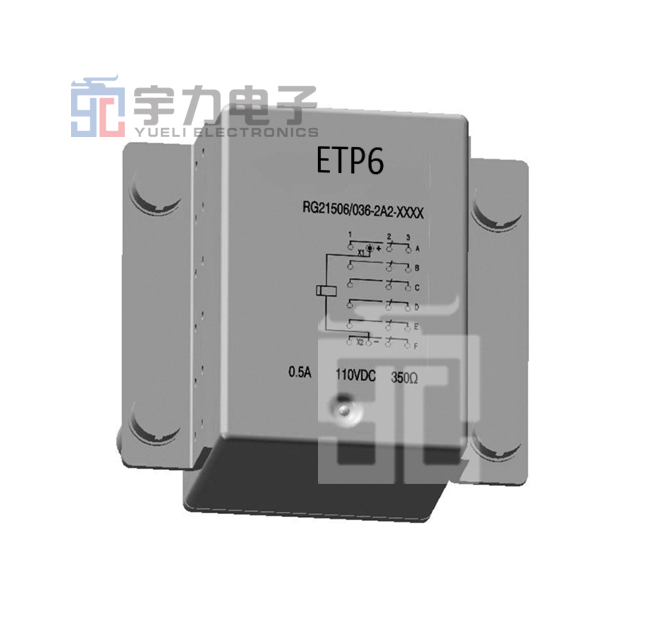
The Advantages of Using Electromagnetic Relays in Industrial Automation
Table of Contents
1. Understanding Electromagnetic Relays
2. Key Features of Electromagnetic Relays
3. Benefits of Using Electromagnetic Relays in Industrial Automation
3.1 Enhanced Control and Monitoring
3.2 High Reliability and Longevity
3.3 Cost-Effectiveness and Energy Efficiency
3.4 Safety Advantages
3.5 Versatility in Applications
4. Comparison with Solid State Relays
5. Common Applications in Industrial Settings
6. Choosing the Right Electromagnetic Relay
7. Maintenance and Troubleshooting Tips
8. Frequently Asked Questions (FAQs)
9. Conclusion
1. Understanding Electromagnetic Relays
Electromagnetic relays are electromechanical devices that use an electromagnetic coil to open or close a set of contacts. They are crucial components in industrial automation for controlling circuits and protecting equipment. By leveraging electromagnetic principles, these relays can switch high voltage or current loads using low voltage signals, providing a safe and efficient means of control.
2. Key Features of Electromagnetic Relays
Electromagnetic relays are designed with specific features that make them ideal for industrial applications. Some of the fundamental features include:
- **Coil Voltage Rating:** These relays operate on various voltage ratings, allowing them to integrate seamlessly into different systems.
- **Contact Configuration:** They come in various contact arrangements, including normally open (NO) and normally closed (NC), facilitating different control mechanisms.
- **Switching Capacity:** Electromagnetic relays can handle significant current loads, making them suitable for heavy-duty applications.
- **Response Time:** They are known for their quick response times, essential for applications requiring immediate action.
3. Benefits of Using Electromagnetic Relays in Industrial Automation
The integration of electromagnetic relays in industrial automation offers numerous benefits that enhance operational efficiency and safety.
3.1 Enhanced Control and Monitoring
Electromagnetic relays provide precise control over various industrial processes. With the ability to monitor and manage multiple circuits, these relays ensure that operations run smoothly and efficiently. The capacity to control multiple outputs from a single input signal minimizes complexity and optimizes workflow.
3.2 High Reliability and Longevity
One of the standout advantages of electromagnetic relays is their reliability. Constructed to withstand harsh industrial environments, they offer longevity even under high-stress conditions. This reliability reduces the frequency of replacements, leading to significant cost savings over time.
3.3 Cost-Effectiveness and Energy Efficiency
Utilizing electromagnetic relays can lead to reduced operational costs. These relays consume minimal power and can manage high loads, making them energy-efficient choices for industrial applications. Additionally, their durability means fewer replacements and lower maintenance costs.
3.4 Safety Advantages
Safety is paramount in industrial settings. Electromagnetic relays enhance safety by providing isolation between the control and load circuits. This isolation reduces the risk of electrical hazards, protecting both equipment and personnel. Furthermore, their ability to handle fault conditions without failure ensures ongoing operational safety.
3.5 Versatility in Applications
Electromagnetic relays are versatile components that find applications in various industrial sectors, including manufacturing, automation, and process control. Their flexibility allows them to be used in diverse applications ranging from simple switching to complex control systems.
4. Comparison with Solid State Relays
When comparing electromagnetic relays to solid-state relays (SSRs), it's essential to understand their respective strengths and weaknesses.
- **Response Time:** SSRs typically have faster response times than electromagnetic relays, making them suitable for high-speed applications.
- **Durability:** While SSRs boast a longer lifespan due to fewer moving parts, electromagnetic relays are often preferred in environments with fluctuating loads.
- **Cost:** Electromagnetic relays tend to be more cost-effective, especially in applications where high switching frequencies are not required.
Ultimately, the choice between electromagnetic relays and solid-state relays depends on specific application requirements.
5. Common Applications in Industrial Settings
Electromagnetic relays are utilized across numerous industries for various applications:
- **Motor Control:** They are widely used for starting and stopping electric motors, providing essential control in manufacturing processes.
- **Lighting Control:** In industrial facilities, these relays manage lighting systems, ensuring energy efficiency and operational effectiveness.
- **Equipment Protection:** Electromagnetic relays protect equipment from overload conditions and short circuits, safeguarding investments.
- **Signal Isolation:** They are instrumental in isolating control signals from high-power circuits, enhancing safety and device longevity.
6. Choosing the Right Electromagnetic Relay
Selecting the appropriate electromagnetic relay involves several considerations:
- **Load Requirements:** Determine the voltage and current ratings necessary for your application.
- **Coil Voltage:** Ensure the coil is compatible with your control system's voltage.
- **Contact Configuration:** Choose the right type of contacts based on whether you need normally open or normally closed options.
- **Environmental Conditions:** Consider whether the relay will be exposed to harsh conditions such as extreme temperatures or moisture.
7. Maintenance and Troubleshooting Tips
Regular maintenance is vital to ensure the longevity and efficiency of electromagnetic relays. Here are a few tips:
- **Regular Inspections:** Periodically check for signs of wear and tear or corrosion.
- **Clean Contacts:** Ensure contacts are clean and free from oxidation to maintain efficient operation.
- **Test Functionality:** Regularly test the relay’s operation to ensure it responds correctly to control signals. If a relay fails, inspect the coil and contacts for damage.
8. Frequently Asked Questions (FAQs)
What is the lifespan of an electromagnetic relay?
The lifespan of an electromagnetic relay can vary but typically ranges from 1 million to 10 million operations, depending on the load and environmental conditions.
How do I determine the correct relay for my application?
Consider the voltage, current ratings, contact configuration, and environmental conditions to choose the right relay for your specific needs.
Can electromagnetic relays handle high-frequency switching?
While electromagnetic relays can handle a reasonable switching frequency, solid-state relays are generally better suited for high-frequency applications.
What maintenance is required for electromagnetic relays?
Regular inspections, cleaning of contacts, and functionality tests are essential for maintaining electromagnetic relays.
Are electromagnetic relays suitable for all industrial applications?
Yes, electromagnetic relays are versatile and can be adapted for a wide range of industrial applications, but always assess the specific requirements first.
9. Conclusion
In summary, **electromagnetic relays** play a pivotal role in the realm of **industrial automation**. Their numerous **advantages**, such as enhanced control, reliability, safety, and cost-effectiveness, make them indispensable for various applications. By selecting the right relay and ensuring proper maintenance, industries can significantly improve their operational efficiency and safety. Understanding the unique benefits of electromagnetic relays equips manufacturers and operators to make informed decisions that foster productivity and innovation in an ever-evolving industrial landscape.
Xi'an Yuli Electronic Technology Co., Ltd.
Whats App:+8618122061211

Message consultation
Note: Please leave your contact information and our professionals will contact you as soon as possible!