Welcome to the official website of Xi'an Yuli Electronic Technology Co., Ltd.


Understanding High Power Relays: A Comprehensive Guide for Electronic Applications
2025-05-16
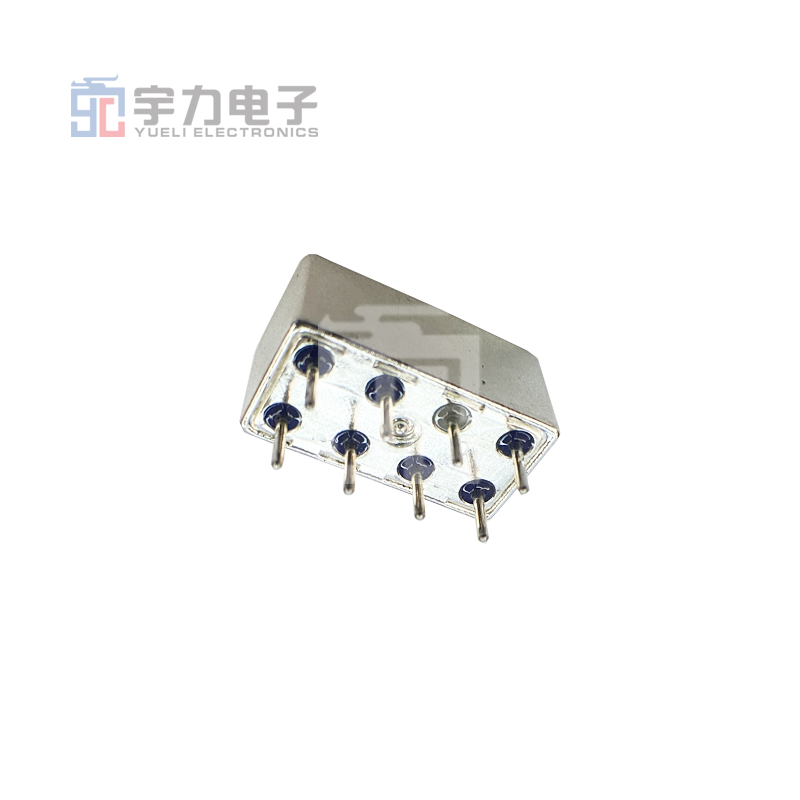
High power relays are essential devices in the realm of electronics, playing a crucial role in controlling high current and voltage applications. They act as switches that can turn on or off electrical circuits, ensuring that high-power devices operate safely and efficiently. Understanding how high power relays work, their applications, and their advantages can significantly benefit anyone involved in electronic design or troubleshooting.
At the core of a high power relay is an electromagnetic switch. When a low-power control signal is applied, it activates the electromagnet, which then closes or opens the contacts within the relay. This action allows the relay to control a high power circuit without the control circuit needing to handle the current directly. This isolation is vital for protecting sensitive electronic components from voltage spikes or overloads.
High power relays are commonly used in various applications, including industrial machinery, automotive systems, power distribution, and home automation. For instance, in industrial settings, they can manage heavy machinery or motors, ensuring that these devices operate within safe parameters. In automotive applications, they are used in systems such as lighting, heating, and air conditioning, where high current flows are involved. Additionally, in home automation systems, high power relays can control appliances and lighting, providing convenience and energy management.
One of the significant advantages of high power relays is their ability to handle large loads while maintaining a compact size. They are designed to switch high currents, typically ranging from several amperes to hundreds of amperes, depending on the specific relay model. This capability makes them indispensable in modern electronic systems where space and efficiency are critical.
Moreover, high power relays are known for their reliability and long operational life. Many models are rated for millions of switching cycles, making them suitable for applications that require frequent on-off operations. Additionally, their robust design can withstand harsh environmental conditions, including temperature variations, humidity, and vibration, further enhancing their durability.
When selecting a high power relay, it is essential to consider factors such as voltage and current ratings, switching speed, and the specific application requirements. Understanding these parameters will help ensure that the chosen relay can perform effectively in its intended role.
In conclusion, high power relays are integral components in electronic design, enabling the safe and efficient operation of high power devices. With their ability to isolate control signals from high voltage circuits and their extensive application range, they remain a vital choice for engineers and hobbyists alike. Whether you are designing a new system or troubleshooting an existing one, a solid understanding of high power relays will undoubtedly prove invaluable in your electronic endeavors.
At the core of a high power relay is an electromagnetic switch. When a low-power control signal is applied, it activates the electromagnet, which then closes or opens the contacts within the relay. This action allows the relay to control a high power circuit without the control circuit needing to handle the current directly. This isolation is vital for protecting sensitive electronic components from voltage spikes or overloads.
High power relays are commonly used in various applications, including industrial machinery, automotive systems, power distribution, and home automation. For instance, in industrial settings, they can manage heavy machinery or motors, ensuring that these devices operate within safe parameters. In automotive applications, they are used in systems such as lighting, heating, and air conditioning, where high current flows are involved. Additionally, in home automation systems, high power relays can control appliances and lighting, providing convenience and energy management.
One of the significant advantages of high power relays is their ability to handle large loads while maintaining a compact size. They are designed to switch high currents, typically ranging from several amperes to hundreds of amperes, depending on the specific relay model. This capability makes them indispensable in modern electronic systems where space and efficiency are critical.
Moreover, high power relays are known for their reliability and long operational life. Many models are rated for millions of switching cycles, making them suitable for applications that require frequent on-off operations. Additionally, their robust design can withstand harsh environmental conditions, including temperature variations, humidity, and vibration, further enhancing their durability.
When selecting a high power relay, it is essential to consider factors such as voltage and current ratings, switching speed, and the specific application requirements. Understanding these parameters will help ensure that the chosen relay can perform effectively in its intended role.
In conclusion, high power relays are integral components in electronic design, enabling the safe and efficient operation of high power devices. With their ability to isolate control signals from high voltage circuits and their extensive application range, they remain a vital choice for engineers and hobbyists alike. Whether you are designing a new system or troubleshooting an existing one, a solid understanding of high power relays will undoubtedly prove invaluable in your electronic endeavors.
Xi'an Yuli Electronic Technology Co., Ltd.
Whats App:+8618122061211

Message consultation
Note: Please leave your contact information and our professionals will contact you as soon as possible!