Welcome to the official website of Xi'an Yuli Electronic Technology Co., Ltd.


Exploring the Benefits of Using Three Phase Relays in Automation
2025-05-19
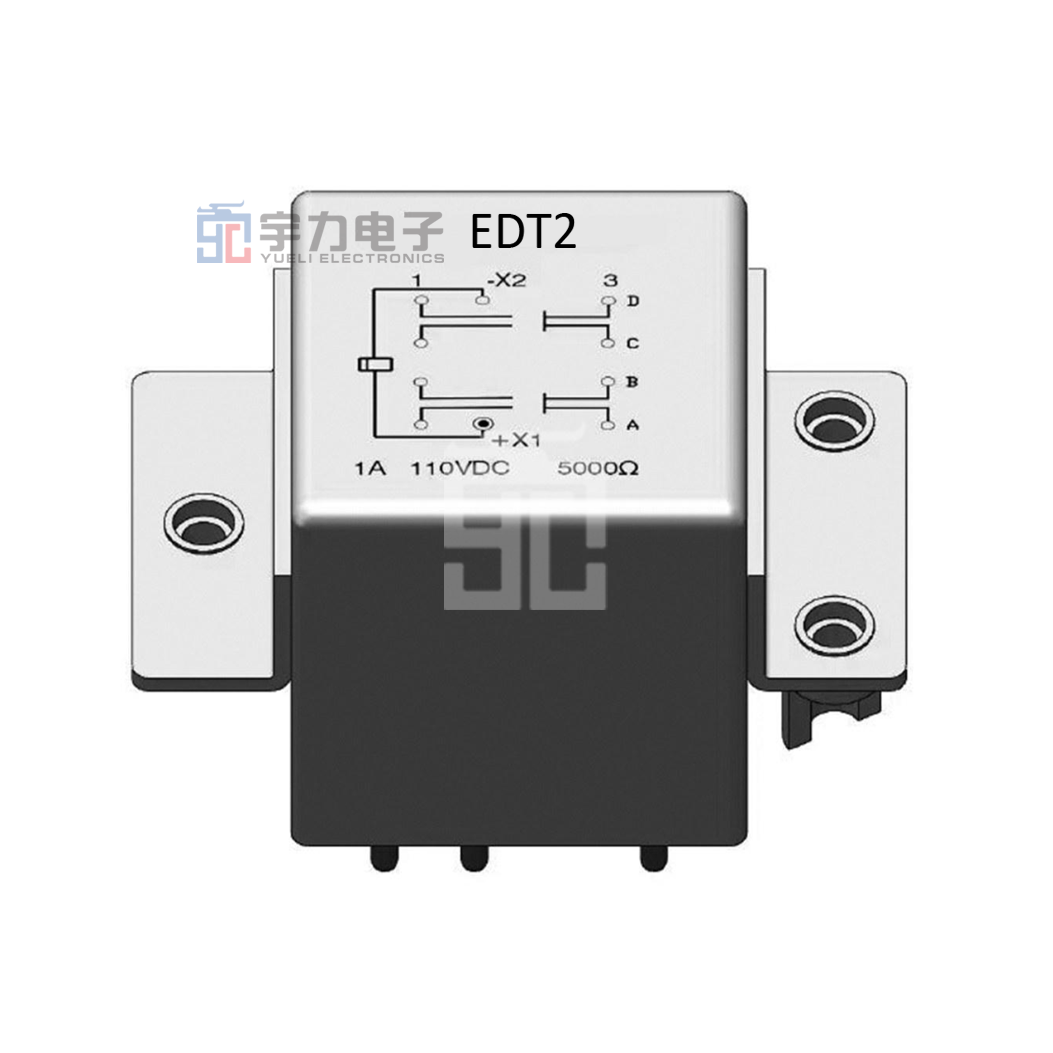
Exploring the Benefits of Using Three Phase Relays in Automation
Table of Contents
- Introduction: Understanding Three Phase Relays
- What is a Three Phase Relay?
- Key Benefits of Using Three Phase Relays in Automation
- Applications of Three Phase Relays in Various Industries
- Choosing the Right Three Phase Relay for Your System
- Installation and Maintenance of Three Phase Relays
- Future Trends in Three Phase Relays for Automation
- Frequently Asked Questions
- Conclusion
Introduction: Understanding Three Phase Relays
In the realm of industrial automation, the efficient management of electrical systems is paramount. **Three phase relays** play a critical role in ensuring that these systems operate smoothly and reliably. By regulating the flow of electricity across three-phase systems, these relays contribute significantly to operational efficiency, safety, and reliability. This article delves into the myriad benefits of three phase relays and their indispensable role in modern automation practices.
What is a Three Phase Relay?
A three phase relay is an electrical device designed to monitor and control the performance of three-phase electrical systems. These relays are engineered to detect various parameters such as current, voltage, and phase imbalance. When a fault or abnormal condition is identified, the relay can activate or deactivate circuits to prevent damage to equipment and ensure operational safety.
Three phase relays are crucial in applications where power distribution is critical, such as manufacturing plants, commercial buildings, and any system relying on three-phase motors.
Key Benefits of Using Three Phase Relays in Automation
Three phase relays offer numerous advantages that make them essential components in automation systems. The following sections will explore these benefits in detail.
Enhanced Efficiency
One of the primary benefits of integrating three phase relays into automation systems is the **enhanced efficiency** they provide. By ensuring that each phase of a three-phase motor receives balanced power, these relays minimize energy waste. This balance optimizes the performance of motors, leading to improved productivity and reduced operational costs.
Additionally, by automating the monitoring process, three phase relays eliminate the need for manual inspections, allowing operators to focus on more critical tasks, further enhancing overall system efficiency.
Increased Reliability
Reliability is a cornerstone of any automation system. Three phase relays enhance the reliability of electrical systems by continuously monitoring for faults, such as overloads or phase loss. When a fault is detected, the relay intervenes promptly, preventing potential equipment damage or system failures.
This proactive approach ensures that machinery and processes remain operational, reducing downtime and maintenance costs. The inherent **reliability** of three phase relays fosters trust in automated systems, encouraging wider adoption across various industries.
Improved Safety
Safety is paramount in industrial environments. Three phase relays are equipped with safety features that protect both equipment and personnel. By swiftly disconnecting power in the event of a fault, they mitigate risks associated with electrical hazards.
Moreover, many modern three phase relays come with advanced diagnostic capabilities, allowing operators to monitor system health and identify potential issues before they escalate. This not only enhances workplace safety but also complies with regulatory standards, protecting organizations from liabilities.
Cost-Effectiveness
The integration of three phase relays can lead to significant cost savings for businesses. By enhancing efficiency and reducing downtime, these relays contribute to lower operational costs. The initial investment in three phase relays is often offset by the savings accrued from improved energy management and reduced maintenance requirements.
Furthermore, by preventing equipment damage and extending the lifespan of machinery, three phase relays contribute to a more sustainable and economically viable operational model.
Applications of Three Phase Relays in Various Industries
Three phase relays are versatile components utilized across a range of industries. Their ability to manage and control electrical systems makes them suitable for numerous applications.
Industrial Applications
In industrial settings, three phase relays are commonly used in manufacturing processes that involve three-phase motors, such as conveyor systems, pumps, and compressors. Their capability to protect against overloads and phase imbalances enhances the reliability of these critical systems.
Additionally, three phase relays are instrumental in energy management systems, where they assist in monitoring and controlling energy consumption, contributing to sustainability efforts.
Commercial Applications
In commercial environments, three phase relays find applications in HVAC systems, lighting controls, and large-scale electrical installations. By ensuring that these systems operate efficiently and safely, three phase relays play a pivotal role in enhancing comfort and reducing energy costs for businesses.
Moreover, they are essential in power distribution networks, where they help maintain stability and reliability across commercial electrical systems.
Choosing the Right Three Phase Relay for Your System
Selecting the appropriate three phase relay for your automation system is crucial for optimizing performance. When choosing a relay, consider the following factors:
1. **Load Requirements**: Assess the load capacity and ensure the relay can handle the expected current levels.
2. **Control Voltage**: Ensure compatibility with the control voltage of your system.
3. **Protection Features**: Look for relays that offer protection against overload, phase loss, and short circuits.
4. **Communication Capabilities**: Advanced relays offer communication features for integration into smart systems and data monitoring.
5. **Environment**: Consider environmental factors such as temperature, humidity, and exposure to contaminants when selecting a relay.
By carefully evaluating these factors, you can select a three phase relay that meets your specific needs and enhances your automation system's performance.
Installation and Maintenance of Three Phase Relays
Proper installation and maintenance of three phase relays are vital for ensuring their longevity and reliability. Installation should be carried out by qualified personnel to adhere to safety standards and manufacturer guidelines.
Regular maintenance checks should include:
- **Visual Inspections**: Look for signs of wear, corrosion, or damage.
- **Functional Testing**: Test the relay's response to simulated faults to ensure proper operation.
- **Calibration**: Regularly calibrate the relay to maintain accuracy in monitoring and control.
By implementing a proactive maintenance strategy, organizations can prolong the life of three phase relays and ensure consistent performance.
Future Trends in Three Phase Relays for Automation
The landscape of industrial automation is constantly evolving, and three phase relays are no exception. Emerging trends include:
- **Smart Relay Technology**: Integration with IoT devices for real-time monitoring and control.
- **Enhanced Diagnostic Features**: Advanced algorithms for predictive maintenance and fault diagnosis.
- **Energy Efficiency**: Development of more energy-efficient relays that contribute to sustainability initiatives.
As technology advances, three phase relays will likely become even more integral to automation systems, enhancing efficiency, safety, and reliability across various applications.
Frequently Asked Questions
1. What is the primary function of a three phase relay?
The primary function of a three phase relay is to monitor and control the operation of three-phase electrical systems, ensuring balanced power distribution and protecting against faults.
2. How do three phase relays enhance safety?
Three phase relays enhance safety by quickly disconnecting power in the event of a fault, preventing equipment damage and minimizing hazards for personnel.
3. Are three phase relays suitable for all industrial applications?
While three phase relays are highly versatile, their suitability depends on the specific electrical characteristics and requirements of the application.
4. What factors should I consider when choosing a three phase relay?
Consider factors such as load requirements, control voltage, protection features, communication capabilities, and environmental conditions.
5. How often should three phase relays be maintained?
Regular maintenance checks should be conducted at least once every six months, or more frequently in harsh environments, to ensure optimal performance and reliability.
Conclusion
Three phase relays are essential components in modern automation systems, providing enhanced efficiency, reliability, safety, and cost-effectiveness. Their diverse applications across various industries underscore their versatility and significance in managing electrical systems. As technology continues to advance, the role of three phase relays will only grow more critical, making them a valuable asset for any organization looking to optimize its automation processes. By understanding their benefits and implementing them effectively, businesses can ensure a robust, efficient, and safe operational environment.
Xi'an Yuli Electronic Technology Co., Ltd.
Whats App:+8618122061211

Message consultation
Note: Please leave your contact information and our professionals will contact you as soon as possible!