Welcome to the official website of Xi'an Yuli Electronic Technology Co., Ltd.


Understanding Signal Relays: A Comprehensive Guide for Professionals
2025-05-20
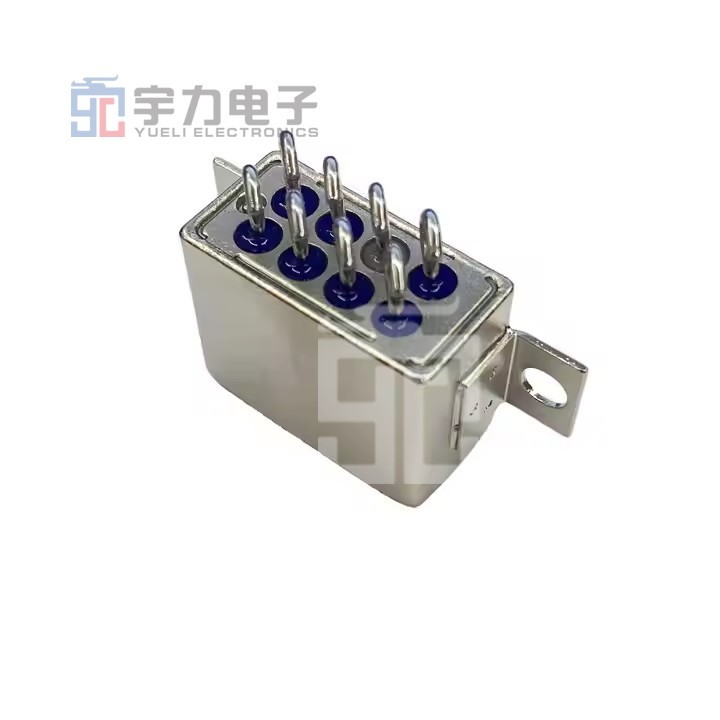
Signal relays are vital components in the realm of electronic circuitry, acting as switches that allow one circuit to control another while maintaining electrical isolation between them. Their primary function is to transmit signals through electromagnetic mechanisms, making them indispensable in various applications ranging from telecommunications to industrial automation.
One of the key features of signal relays is their ability to manage low-power signals, which can control higher power circuits. This characteristic is particularly important in scenarios where direct control could pose risks of damage or failure due to excessive voltage or current. Signal relays ensure that sensitive components remain protected while still allowing for effective signal transmission.
In terms of construction, signal relays typically consist of an electromagnetic coil and one or more sets of contacts. When an electrical current passes through the coil, it generates a magnetic field that activates the contacts, allowing current to flow through the secondary circuit. This mechanism provides a reliable and efficient means of switching signals without direct electrical connections, thereby enhancing system safety and performance.
Signal relays come in various types, including electromechanical and solid-state relays. Electromechanical relays are characterized by their moving parts, which can lead to wear over time but offer excellent electrical isolation. Solid-state relays, on the other hand, utilize semiconductor devices to switch signals and are known for their durability and fast switching times, making them suitable for high-frequency applications.
In practical terms, signal relays find applications across multiple industries. In automation systems, they are used to control motors and other devices, while in telecommunication systems, they help route signals between different lines. Additionally, signal relays play a role in automotive systems, ensuring the proper functioning of various electronic components within vehicles.
When selecting a signal relay for a specific application, it is essential to consider factors such as the required switching voltage and current, coil resistance, and the desired switching speed. Understanding these parameters ensures that the relay will operate efficiently within the designed circuit, ultimately contributing to the overall performance and reliability of the system.
In summary, signal relays are crucial components that facilitate the management of electrical signals across various applications. Their ability to provide isolation, protect sensitive devices, and handle diverse switching tasks makes them invaluable in today’s electronic landscape. For professionals in the industry, a thorough understanding of signal relays and their functionalities can lead to more informed design decisions and improved system performance.
One of the key features of signal relays is their ability to manage low-power signals, which can control higher power circuits. This characteristic is particularly important in scenarios where direct control could pose risks of damage or failure due to excessive voltage or current. Signal relays ensure that sensitive components remain protected while still allowing for effective signal transmission.
In terms of construction, signal relays typically consist of an electromagnetic coil and one or more sets of contacts. When an electrical current passes through the coil, it generates a magnetic field that activates the contacts, allowing current to flow through the secondary circuit. This mechanism provides a reliable and efficient means of switching signals without direct electrical connections, thereby enhancing system safety and performance.
Signal relays come in various types, including electromechanical and solid-state relays. Electromechanical relays are characterized by their moving parts, which can lead to wear over time but offer excellent electrical isolation. Solid-state relays, on the other hand, utilize semiconductor devices to switch signals and are known for their durability and fast switching times, making them suitable for high-frequency applications.
In practical terms, signal relays find applications across multiple industries. In automation systems, they are used to control motors and other devices, while in telecommunication systems, they help route signals between different lines. Additionally, signal relays play a role in automotive systems, ensuring the proper functioning of various electronic components within vehicles.
When selecting a signal relay for a specific application, it is essential to consider factors such as the required switching voltage and current, coil resistance, and the desired switching speed. Understanding these parameters ensures that the relay will operate efficiently within the designed circuit, ultimately contributing to the overall performance and reliability of the system.
In summary, signal relays are crucial components that facilitate the management of electrical signals across various applications. Their ability to provide isolation, protect sensitive devices, and handle diverse switching tasks makes them invaluable in today’s electronic landscape. For professionals in the industry, a thorough understanding of signal relays and their functionalities can lead to more informed design decisions and improved system performance.
Xi'an Yuli Electronic Technology Co., Ltd.
Whats App:+8618122061211

Message consultation
Note: Please leave your contact information and our professionals will contact you as soon as possible!