Welcome to the official website of Xi'an Yuli Electronic Technology Co., Ltd.


The Essential Role of Electromagnetic Relays in Modern Security Systems
2025-08-21
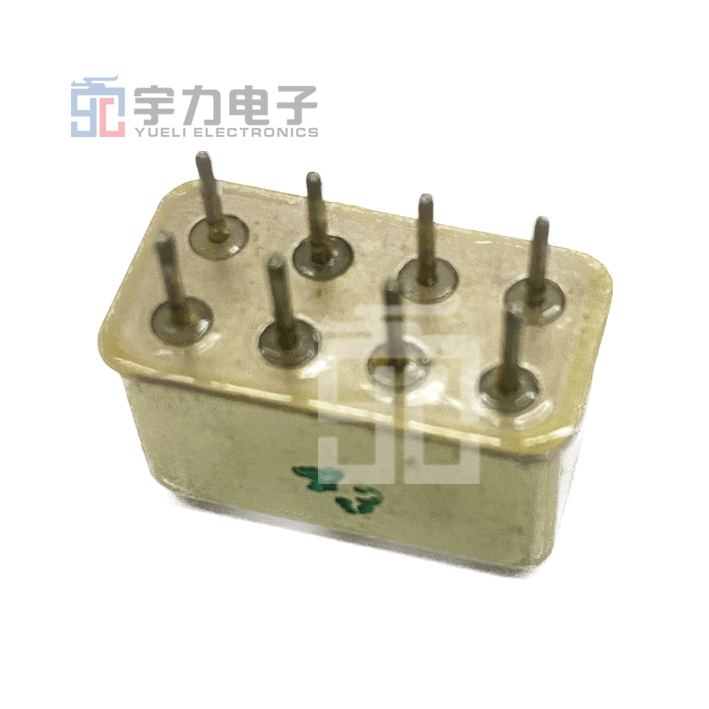
The Essential Role of Electromagnetic Relays in Modern Security Systems
Table of Contents
- Introduction to Electromagnetic Relays
- What Are Electromagnetic Relays?
- How Do Electromagnetic Relays Work?
- Applications of Electromagnetic Relays in Security Systems
- Advantages of Using Electromagnetic Relays in Security Systems
- Challenges and Considerations When Using Relays
- Future Trends in Security Technology
- Conclusion
- Frequently Asked Questions
Introduction to Electromagnetic Relays
In an era where security concerns are paramount, understanding the components that bolster safety measures is essential. **Electromagnetic relays** are crucial in the realm of security systems, serving as the backbone for various applications. These devices ensure that security protocols are executed reliably and effectively, making them an integral part of modern security solutions.
What Are Electromagnetic Relays?
Electromagnetic relays are electromechanical switches used to control a circuit by a low-power signal or to manage several circuits with one signal. They consist of a coil, an armature, and a set of contacts. When electrical current flows through the coil, it generates a magnetic field that attracts the armature, causing it to move and close or open contacts. This action allows the relay to control high-voltage circuits with a low-voltage signal, making them indispensable in various electrical applications, particularly in security systems.
The Components of Electromagnetic Relays
1. **Coil**: Generates a magnetic field when energized.
2. **Armature**: A movable component that responds to the magnetic field.
3. **Contacts**: Conductive parts that either open or close the circuit.
4. **Spring**: Restores the armature to its original position when the coil is de-energized.
How Do Electromagnetic Relays Work?
Electromagnetic relays operate on a simple principle of electromagnetism. When a current passes through the coil, it creates a magnetic field that pulls the armature towards it. This movement can either connect or disconnect the electrical contacts, allowing the relay to control the flow of electricity to various components in a security system.
Types of Electromagnetic Relays
- **Single Pole Single Throw (SPST)**: Simple on/off control.
- **Single Pole Double Throw (SPDT)**: Alternates between two circuits.
- **Double Pole Double Throw (DPDT)**: Controls two different circuits simultaneously.
Each type serves a specific purpose, affecting how security systems implement relays for different functionalities.
Applications of Electromagnetic Relays in Security Systems
Electromagnetic relays are used extensively across various security applications. Their ability to control high-voltage devices with low voltage makes them ideal for:
Alarm Systems
In alarm systems, electromagnetic relays activate sirens and strobe lights in response to unauthorized access. They play a critical role in ensuring that alarms function correctly during security breaches.
Access Control
In access control systems, relays manage the locking and unlocking of doors. They work seamlessly with keypads, card readers, and biometric systems, providing a reliable way to control entry points.
Surveillance Systems
Relays are also vital in surveillance systems. They can turn cameras on or off and switch between different camera feeds, enhancing the monitoring capabilities of security systems.
Lighting Control
Security lighting is an important deterrent against intrusions. Electromagnetic relays control the activation of security lights, ensuring they illuminate when needed and conserve energy when not in use.
Advantages of Using Electromagnetic Relays in Security Systems
The use of electromagnetic relays in security systems offers numerous benefits:
Reliability
Electromagnetic relays are known for their reliability. They can operate in various environmental conditions, ensuring uninterrupted service in critical situations.
Cost-Effectiveness
Relays are relatively inexpensive compared to other control mechanisms, making them a cost-effective choice for many security systems.
Low Voltage Control
The ability to control high-voltage devices with low-voltage signals enhances safety and reduces the risk of electrical hazards.
Versatility
With various types and configurations available, electromagnetic relays can adapt to different security applications, from residential to commercial environments.
Challenges and Considerations When Using Relays
While electromagnetic relays offer numerous advantages, there are also challenges to consider:
Wear and Tear
Relays are mechanical devices and can experience wear over time, potentially affecting their operation. Regular maintenance is necessary to ensure longevity.
Response Time
The mechanical movement within relays can introduce a delay in response time. In high-security environments, even a minor delay can be critical.
Interference and Noise
Sometimes, electromagnetic relays can generate electrical noise that may interfere with other components in the security system. This requires careful planning during system design and installation.
Future Trends in Security Technology
As technology advances, the role of electromagnetic relays in security systems continues to evolve. Emerging trends include:
Integration with Smart Systems
The integration of electromagnetic relays with IoT and smart home systems is becoming increasingly popular. This allows for remote control and monitoring, enhancing convenience and security.
Improved Materials and Designs
Advancements in materials and design are making relays more durable and efficient, allowing for better performance in demanding environments.
Increased Automation
Future security systems are likely to feature increased automation, with relays playing a key role in streamlining operations and responses.
Conclusion
Electromagnetic relays play a vital role in the functionality and reliability of modern security systems. Their ability to control high-voltage devices with low-voltage signals, combined with their versatility, makes them indispensable in various applications. As technology continues to evolve, the importance of these components will only grow, paving the way for more sophisticated and effective security solutions.
Frequently Asked Questions
1. What is an electromagnetic relay?
An electromagnetic relay is an electromechanical switch that uses an electromagnetic coil to control electric circuits. It allows low-power signals to control high-power devices.
2. How do electromagnetic relays enhance security systems?
They enhance security systems by controlling alarms, access points, surveillance devices, and lighting with reliable and efficient operation.
3. Are there different types of electromagnetic relays?
Yes, there are various types, including SPST, SPDT, and DPDT relays, each serving different functions in security applications.
4. What are the main advantages of using electromagnetic relays?
The main advantages include reliability, cost-effectiveness, low-voltage control, and versatility in various applications.
5. What challenges are associated with electromagnetic relays?
Challenges include mechanical wear, potential delays in response time, and the possibility of generating electrical noise that can interfere with other components.
By understanding and leveraging the capabilities of electromagnetic relays, security systems can achieve heightened efficiency and reliability, ensuring safety in an increasingly secure world.
Previous:
Xi'an Yuli Electronic Technology Co., Ltd.
Whats App:+8618122061211

Message consultation
Note: Please leave your contact information and our professionals will contact you as soon as possible!