Welcome to the official website of Xi'an Yuli Electronic Technology Co., Ltd.


Understanding High Power Relays: Essential Insights for Professionals in the Electronics Industry
2025-08-22
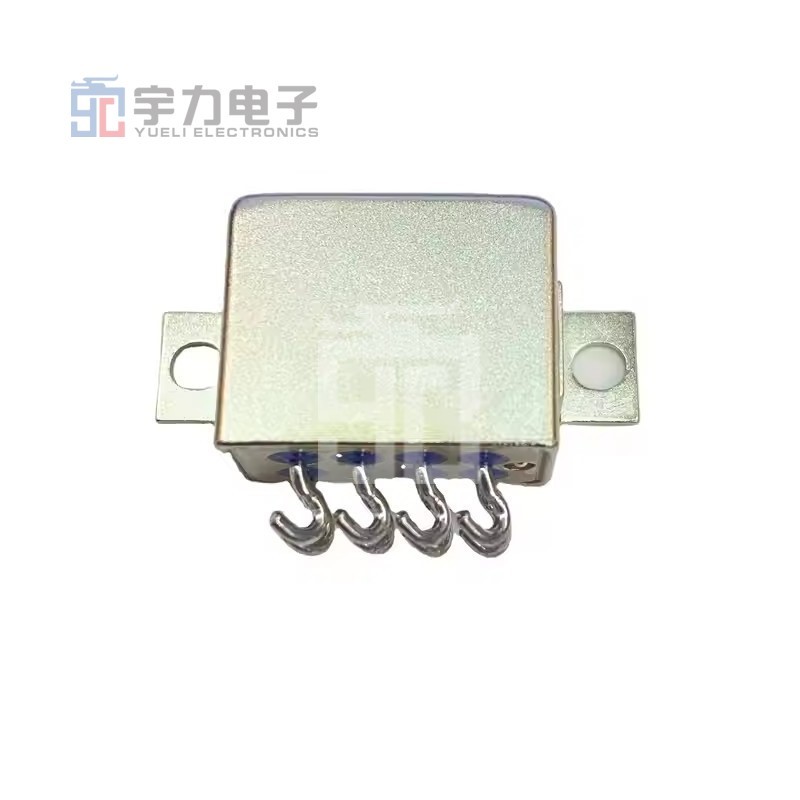
High power relays are critical components in the electronics industry, particularly within the realm of relay technologies. Unlike standard relays, high power relays are specifically designed to handle substantial voltage and current levels, making them indispensable in various applications that require robust performance. They serve as electronic switches that control higher power circuits while ensuring safety and efficiency.
One of the primary functions of high power relays is to enable the control of large electrical loads. Commonly used in industrial applications, these relays can manage the operation of motors, heaters, and other high-demand devices. The ability to switch large amounts of power with a low control signal makes high power relays an ideal choice for automation systems and remote control applications.
In terms of construction, high power relays typically feature heavy-duty contacts capable of withstanding significant electrical and thermal stresses. This durability is essential for maintaining reliability and longevity in applications where frequent switching may occur. Moreover, the materials used in these relays often include alloys and coatings that enhance their performance in challenging environments, including high humidity or extreme temperatures.
Another important aspect to consider is the coil voltage of high power relays. These relays can operate on a variety of coil voltages, allowing for flexibility in design and integration into existing systems. It's crucial for engineers and designers to select a relay with appropriate coil voltage compatibility to ensure optimal performance.
Safety is a paramount consideration when using high power relays. Their design often incorporates features that protect against electrical faults, such as arc suppression and isolation between the control and high power circuits. This helps prevent damage to both the relay and the connected devices, contributing to safer operational conditions.
When selecting a high power relay, professionals should evaluate several key factors, including switching capacity, contact configuration, and environmental ratings. It's also advisable to consult detailed datasheets that provide electrical characteristics, mechanical specifications, and recommended operating conditions. By doing so, engineers can ensure they are choosing the right relay for their specific application requirements.
In summary, high power relays play a vital role in the electronics industry, providing essential functionality for various high-demand applications. Understanding their capabilities, construction, and safety features is crucial for professionals looking to enhance their systems' performance and reliability. Whether for industrial automation or power management, leveraging high power relays effectively can lead to significant improvements in operational efficiency.
One of the primary functions of high power relays is to enable the control of large electrical loads. Commonly used in industrial applications, these relays can manage the operation of motors, heaters, and other high-demand devices. The ability to switch large amounts of power with a low control signal makes high power relays an ideal choice for automation systems and remote control applications.
In terms of construction, high power relays typically feature heavy-duty contacts capable of withstanding significant electrical and thermal stresses. This durability is essential for maintaining reliability and longevity in applications where frequent switching may occur. Moreover, the materials used in these relays often include alloys and coatings that enhance their performance in challenging environments, including high humidity or extreme temperatures.
Another important aspect to consider is the coil voltage of high power relays. These relays can operate on a variety of coil voltages, allowing for flexibility in design and integration into existing systems. It's crucial for engineers and designers to select a relay with appropriate coil voltage compatibility to ensure optimal performance.
Safety is a paramount consideration when using high power relays. Their design often incorporates features that protect against electrical faults, such as arc suppression and isolation between the control and high power circuits. This helps prevent damage to both the relay and the connected devices, contributing to safer operational conditions.
When selecting a high power relay, professionals should evaluate several key factors, including switching capacity, contact configuration, and environmental ratings. It's also advisable to consult detailed datasheets that provide electrical characteristics, mechanical specifications, and recommended operating conditions. By doing so, engineers can ensure they are choosing the right relay for their specific application requirements.
In summary, high power relays play a vital role in the electronics industry, providing essential functionality for various high-demand applications. Understanding their capabilities, construction, and safety features is crucial for professionals looking to enhance their systems' performance and reliability. Whether for industrial automation or power management, leveraging high power relays effectively can lead to significant improvements in operational efficiency.
Xi'an Yuli Electronic Technology Co., Ltd.
Whats App:+8618122061211

Message consultation
Note: Please leave your contact information and our professionals will contact you as soon as possible!