Welcome to the official website of Xi'an Yuli Electronic Technology Co., Ltd.


Understanding Sealed Relays: Key Features and Benefits in Electronic Applications
2025-08-24
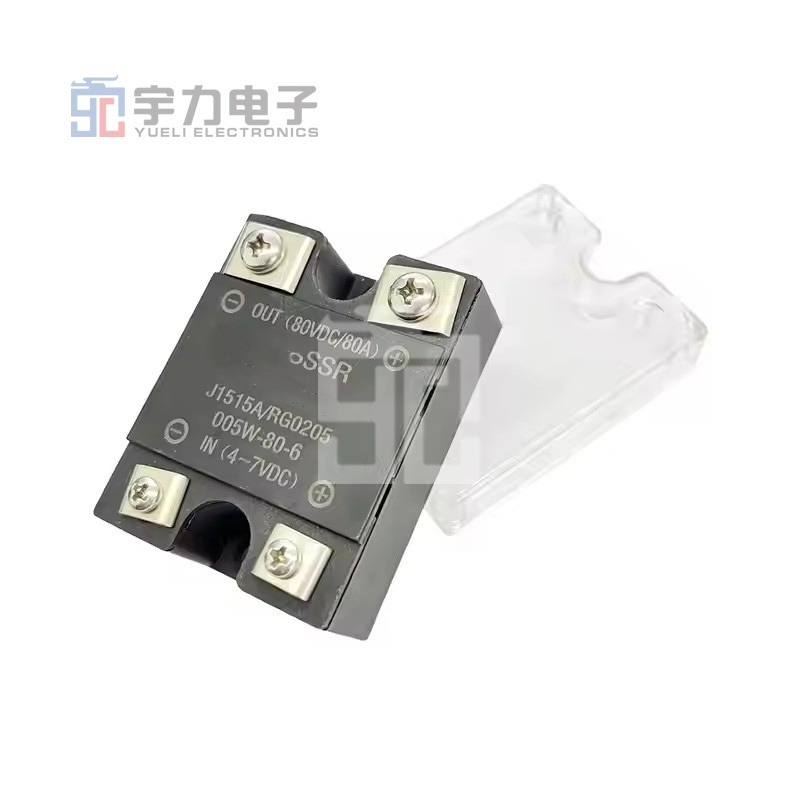
Sealed relays are a specific type of relay designed to protect their internal mechanisms from environmental factors such as dust, moisture, and other contaminants. This protective feature is essential in various applications, ensuring reliability and longevity in performance. Understanding the significance of sealed relays can help professionals make informed decisions when selecting components for their projects.
One of the main benefits of sealed relays is their ability to operate in harsh conditions. By encapsulating sensitive parts within a protective housing, sealed relays minimize the risk of malfunction due to external elements. This makes them particularly suitable for automotive, industrial, and outdoor applications where exposure to extreme temperatures, humidity, or particulate matter is common.
In terms of design, sealed relays come in various configurations, including electromagnetic and solid-state types. Electromagnetic sealed relays use an electromagnetic coil to mechanically operate the switching mechanism, while solid-state sealed relays utilize semiconductor devices to perform the same function without moving parts. The choice between these types often depends on the specific requirements of the application, such as switching speed, electrical load, and operational environment.
Another crucial aspect of sealed relays is their ability to provide electrical isolation between the control circuit and the load circuit. This isolation is vital in protecting sensitive electronic components from voltage spikes and electrical noise, which can lead to damage or erratic operation. Moreover, the sealed design further enhances this protection by preventing unintentional contact with the relay's internal components.
When considering the use of sealed relays in electronic systems, it's essential to evaluate the specifications that align with the application's demands. Factors such as contact rating, switching capacity, and thermal characteristics play a significant role in determining the most suitable relay for the task at hand. Additionally, understanding the operating voltage and current requirements will ensure optimal performance and reliability.
In summary, sealed relays offer a robust solution for various electronic applications, particularly where environmental protection is paramount. Their unique features, including resistance to contaminants, electrical isolation, and versatility in design, make them an integral component in many systems. By incorporating sealed relays into your projects, you can enhance durability and reliability, ensuring that your electronic systems perform consistently over time. As professionals in the electronics industry, being well-informed about sealed relays will empower you to make strategic decisions that enhance the quality and longevity of your designs.
One of the main benefits of sealed relays is their ability to operate in harsh conditions. By encapsulating sensitive parts within a protective housing, sealed relays minimize the risk of malfunction due to external elements. This makes them particularly suitable for automotive, industrial, and outdoor applications where exposure to extreme temperatures, humidity, or particulate matter is common.
In terms of design, sealed relays come in various configurations, including electromagnetic and solid-state types. Electromagnetic sealed relays use an electromagnetic coil to mechanically operate the switching mechanism, while solid-state sealed relays utilize semiconductor devices to perform the same function without moving parts. The choice between these types often depends on the specific requirements of the application, such as switching speed, electrical load, and operational environment.
Another crucial aspect of sealed relays is their ability to provide electrical isolation between the control circuit and the load circuit. This isolation is vital in protecting sensitive electronic components from voltage spikes and electrical noise, which can lead to damage or erratic operation. Moreover, the sealed design further enhances this protection by preventing unintentional contact with the relay's internal components.
When considering the use of sealed relays in electronic systems, it's essential to evaluate the specifications that align with the application's demands. Factors such as contact rating, switching capacity, and thermal characteristics play a significant role in determining the most suitable relay for the task at hand. Additionally, understanding the operating voltage and current requirements will ensure optimal performance and reliability.
In summary, sealed relays offer a robust solution for various electronic applications, particularly where environmental protection is paramount. Their unique features, including resistance to contaminants, electrical isolation, and versatility in design, make them an integral component in many systems. By incorporating sealed relays into your projects, you can enhance durability and reliability, ensuring that your electronic systems perform consistently over time. As professionals in the electronics industry, being well-informed about sealed relays will empower you to make strategic decisions that enhance the quality and longevity of your designs.
Xi'an Yuli Electronic Technology Co., Ltd.
Whats App:+8618122061211

Message consultation
Note: Please leave your contact information and our professionals will contact you as soon as possible!