Welcome to the official website of Xi'an Yuli Electronic Technology Co., Ltd.


The Future of Three Phase Relays in Smart Electrical Systems
2025-08-25
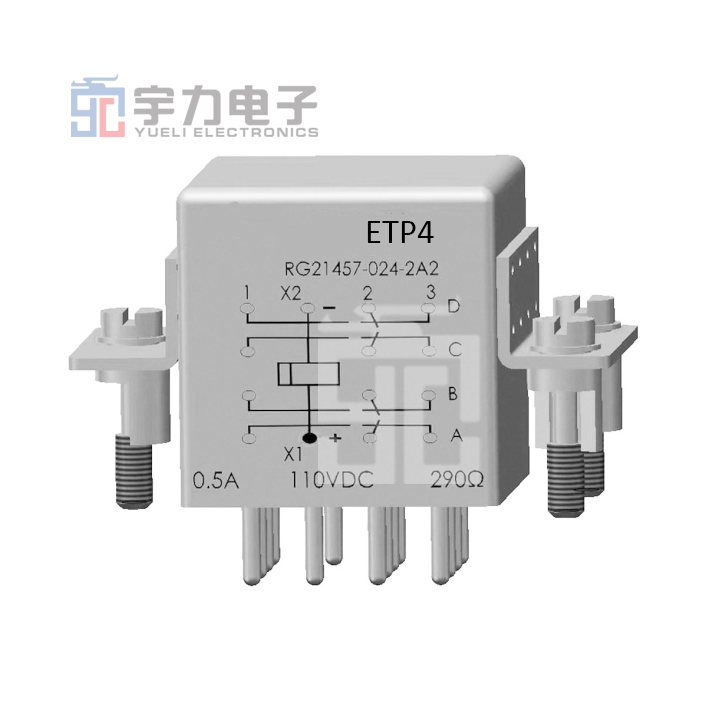
The Future of Three Phase Relays in Smart Electrical Systems
Table of Contents
- Introduction to Three Phase Relays
- Understanding Three Phase Relays
- Role of Three Phase Relays in Smart Electrical Systems
- Technological Advancements Driving Future Developments
- Benefits of Integrating Three Phase Relays in Smart Systems
- Challenges and Solutions in Modern Applications
- Future Trends in Three Phase Relays
- Conclusion
- FAQs
Introduction to Three Phase Relays
The evolution of electrical systems is marked by a significant shift towards automation and intelligence. One pivotal component in this transformation is the **three phase relay**, integral to the efficient operation of electrical systems. As industries strive for enhanced **energy efficiency** and reliability, three phase relays emerge as a cornerstone technology enabling smart electrical systems.
Understanding Three Phase Relays
Three phase relays serve as protective devices that monitor electrical systems and respond to anomalies. They play a critical role in safeguarding motors and equipment from overloads, short circuits, and phase failures. By ensuring balanced load distribution and detecting discrepancies in phase voltage, these relays maintain system integrity and prevent damage.
The Mechanics of Three Phase Relays
Three phase relays operate using electrical signals to assess the performance of connected devices. The core components include current transformers, voltage sensors, and microprocessors, which collectively analyze the electrical environment. When the system detects an imbalance or fault, the relay triggers a response, either by disconnecting the electrical supply or by activating alarms, thereby safeguarding equipment.
Types of Three Phase Relays
There are several types of three phase relays, including:
- **Overload Relays**: Protect equipment from overheating.
- **Earth Fault Relays**: Detect ground faults and prevent electrical shock.
- **Phase Failure Relays**: Identify phase loss or unbalance.
Understanding these variations helps in selecting the appropriate relay for specific applications within smart systems.
Role of Three Phase Relays in Smart Electrical Systems
Smart electrical systems capitalize on advanced technologies to enhance efficiency and automation. Three phase relays play a crucial role in these systems by ensuring reliability and operational excellence.
Enhancing Automation
The integration of three phase relays in **automated systems** allows for real-time monitoring and control. They facilitate seamless communication between devices, enabling instant reactions to electrical anomalies. This capability reduces downtime and enhances overall efficiency.
Improving Energy Management
By optimizing load distribution and preventing overloads, three phase relays contribute to improved **energy management**. They help industries reduce wastage and enhance operational costs, making them a vital asset in the push for sustainable energy solutions.
Technological Advancements Driving Future Developments
The landscape of three phase relays is evolving, driven by technological advancements that enhance their functionality and integration into smart electrical systems.
Smart Sensors and IoT Integration
The advent of **Internet of Things (IoT)** technology has revolutionized how three phase relays operate. IoT-enabled relays can communicate data to centralized systems, allowing for predictive maintenance and enhanced decision-making. This integration ensures that any potential issues are addressed before they escalate into major problems.
Machine Learning and Data Analytics
Machine learning algorithms can analyze historical data collected by three phase relays, providing insights into equipment performance and predicting failures. This predictive capability allows industries to implement preemptive measures, thereby increasing system reliability and reducing maintenance costs.
Benefits of Integrating Three Phase Relays in Smart Systems
The integration of three phase relays into smart electrical systems offers numerous benefits that extend beyond mere protection.
Increased Operational Reliability
Three phase relays enhance the reliability of electrical systems by ensuring continuous monitoring and quick response to faults. This reliability is essential for industries that depend on uninterrupted power supply.
Cost Efficiency
By preventing equipment damage and ensuring optimal performance, three phase relays contribute significantly to cost savings. They reduce the frequency of repairs and prolong the lifespan of electrical equipment.
Compliance with Regulatory Standards
Many industries are subject to stringent safety regulations. The implementation of three phase relays helps organizations comply with these standards, ensuring the safety of both personnel and equipment.
Challenges and Solutions in Modern Applications
Despite their advantages, the deployment of three phase relays in smart electrical systems is not without challenges.
Complexity of Systems
As electrical systems become more complex, integrating three phase relays can pose challenges in terms of compatibility and configuration. It is vital to conduct thorough assessments during the design phase to ensure seamless integration.
Cybersecurity Risks
With the rise of IoT, cybersecurity becomes a critical concern. Protecting three phase relays from cyber threats involves implementing robust security protocols and regular system updates to mitigate vulnerabilities.
Future Trends in Three Phase Relays
The future of three phase relays is promising, with several trends likely to shape their evolution in smart electrical systems.
Development of Smart Relays
The future will see the emergence of smart relays equipped with advanced AI capabilities. These relays will not only monitor electrical parameters but also learn from data patterns to optimize system performance continuously.
Integration with Renewable Energy Sources
As industries shift towards sustainable energy, three phase relays will play an instrumental role in integrating renewable energy sources, such as solar and wind, into existing electrical grids. This integration requires relays capable of handling variable power outputs and ensuring grid stability.
Conclusion
The future of three phase relays in smart electrical systems is bright, characterized by advancements that promise to enhance their functionality and integration. With the continued push for automation, energy efficiency, and sustainability, three phase relays will remain a fundamental component in the evolution of electrical infrastructure. As industries adapt to these changes, embracing the capabilities of three phase relays will be crucial for achieving operational excellence and meeting future challenges head-on.
FAQs
1. What is a three phase relay?
A three phase relay is a protective device that monitors and controls three-phase electrical systems, ensuring safe operation by detecting faults and imbalances.
2. How do three phase relays enhance energy efficiency?
By preventing overloads and ensuring balanced load distribution, three phase relays optimize energy consumption, leading to increased operational efficiency.
3. Can three phase relays be integrated into IoT systems?
Yes, three phase relays can be equipped with IoT capabilities, allowing for real-time monitoring and data collection for improved decision-making.
4. What are the common types of three phase relays?
Common types include overload relays, earth fault relays, and phase failure relays, each serving specific protective functions.
5. What challenges are associated with using three phase relays in modern electrical systems?
Challenges include system complexity, compatibility issues, and cybersecurity risks, which require careful planning and robust security measures.
Xi'an Yuli Electronic Technology Co., Ltd.
Whats App:+8618122061211

Message consultation
Note: Please leave your contact information and our professionals will contact you as soon as possible!