Welcome to the official website of Xi'an Yuli Electronic Technology Co., Ltd.


The Essential Guide to Signal Relays: Functionality, Applications, and Benefits
2025-08-26
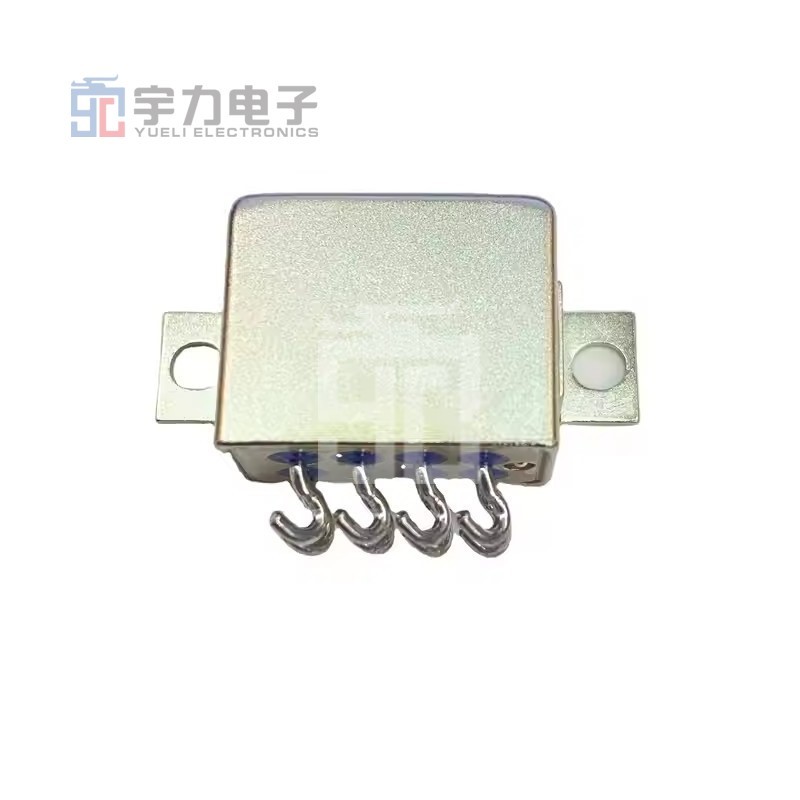
Signal relays are vital components in the realm of electronic devices, playing a crucial role in the control and management of electrical signals. Primarily designed to switch circuits on and off, signal relays serve as intermediaries that allow a low-power signal to control a higher power circuit. This functionality is essential in various applications, from automotive systems to industrial machinery, where precise control and reliability are paramount.
One of the key benefits of using signal relays is their ability to isolate different circuits. By enabling a control circuit to manage a load circuit without any direct electrical connection, signal relays help protect sensitive components from voltage spikes and electrical noise. This isolation is particularly important in applications where signal integrity is critical, such as in telecommunications and data acquisition systems.
Signal relays come in several configurations, including electromechanical and solid-state relays. Electromechanical signal relays consist of a coil and a set of contacts, allowing them to physically open or close the circuit. These types of relays are well-known for their reliability and longevity when used within their rated specifications. On the other hand, solid-state signal relays use semiconductor devices to perform switching without moving parts, which enhances durability and response time. This makes solid-state options ideal for high-speed applications where mechanical wear and tear could be an issue.
When selecting a signal relay, several factors should be considered to ensure optimal performance. These include the maximum switching voltage and current, the type of load (AC or DC), and the operational environment. For instance, some signal relays are designed for extreme temperatures or humid conditions, making them suitable for outdoor or industrial applications. Additionally, the switching speed and the number of channels can also influence the choice of relay, depending on the specific requirements of the project.
Signal relays also contribute to energy efficiency in electronic systems. By allowing low-power signals to control high-power circuits, they minimize the energy loss associated with running multiple high-power devices simultaneously. This feature is particularly advantageous in smart home technologies, where energy savings are a primary concern.
In summary, signal relays are indispensable in modern electronic applications, providing essential functionality in controlling and managing electrical signals. Their ability to isolate circuits, combined with options for electromechanical and solid-state configurations, makes them suitable for a wide range of applications. When carefully chosen, signal relays enhance the reliability, efficiency, and performance of electronic systems, making them a wise investment for any electronic design.
One of the key benefits of using signal relays is their ability to isolate different circuits. By enabling a control circuit to manage a load circuit without any direct electrical connection, signal relays help protect sensitive components from voltage spikes and electrical noise. This isolation is particularly important in applications where signal integrity is critical, such as in telecommunications and data acquisition systems.
Signal relays come in several configurations, including electromechanical and solid-state relays. Electromechanical signal relays consist of a coil and a set of contacts, allowing them to physically open or close the circuit. These types of relays are well-known for their reliability and longevity when used within their rated specifications. On the other hand, solid-state signal relays use semiconductor devices to perform switching without moving parts, which enhances durability and response time. This makes solid-state options ideal for high-speed applications where mechanical wear and tear could be an issue.
When selecting a signal relay, several factors should be considered to ensure optimal performance. These include the maximum switching voltage and current, the type of load (AC or DC), and the operational environment. For instance, some signal relays are designed for extreme temperatures or humid conditions, making them suitable for outdoor or industrial applications. Additionally, the switching speed and the number of channels can also influence the choice of relay, depending on the specific requirements of the project.
Signal relays also contribute to energy efficiency in electronic systems. By allowing low-power signals to control high-power circuits, they minimize the energy loss associated with running multiple high-power devices simultaneously. This feature is particularly advantageous in smart home technologies, where energy savings are a primary concern.
In summary, signal relays are indispensable in modern electronic applications, providing essential functionality in controlling and managing electrical signals. Their ability to isolate circuits, combined with options for electromechanical and solid-state configurations, makes them suitable for a wide range of applications. When carefully chosen, signal relays enhance the reliability, efficiency, and performance of electronic systems, making them a wise investment for any electronic design.
Xi'an Yuli Electronic Technology Co., Ltd.
Whats App:+8618122061211

Message consultation
Note: Please leave your contact information and our professionals will contact you as soon as possible!