Welcome to the official website of Xi'an Yuli Electronic Technology Co., Ltd.


How to Choose the Right Aerospace Relay for Your Project: A Comprehensive Guide
2025-08-27
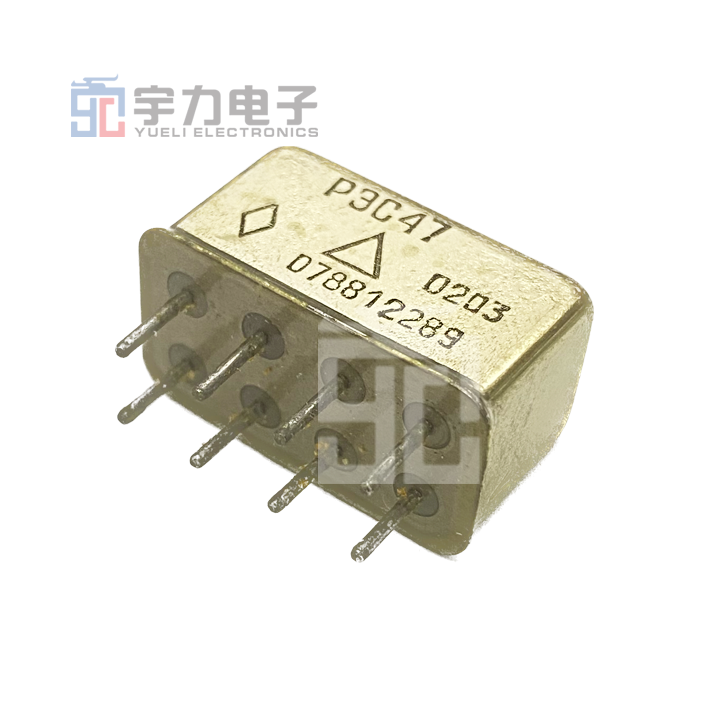
How to Choose the Right Aerospace Relay for Your Project
Table of Contents
- Understanding Aerospace Relays
- Types of Aerospace Relays
- Key Specifications to Consider
- Applications of Aerospace Relays
- Reliability and Environmental Considerations
- Safety Standards in Aerospace
- Tips for Selecting the Right Relay
- Frequently Asked Questions (FAQs)
- Conclusion
Understanding Aerospace Relays
Aerospace relays are crucial components designed to switch electrical circuits in aircraft and spacecraft. They ensure the reliable operation of various systems, including navigation, communication, and propulsion. With the increasing complexity of aerospace projects, understanding the specific role and function of these relays is essential for engineers and project managers alike.
Types of Aerospace Relays
Choosing the right aerospace relay begins with understanding the different types available. Below, we outline the primary categories:
Electromechanical Relays (EMRs)
Electromechanical relays use electromagnetic coils to open and close contacts. They are well-known for their simplicity and reliability, making them ideal for applications where high current handling is necessary.
Solid State Relays (SSRs)
Solid state relays utilize semiconductor devices to perform switching functions. Their lack of moving parts results in faster switching speeds and increased durability, making them suitable for high-frequency applications.
Hybrid Relays
Hybrid relays combine the features of both EMRs and SSRs, offering a balance of reliability and speed. These are often used in complex systems requiring diverse functionalities.
Key Specifications to Consider
When selecting an aerospace relay, several specifications are critical to ensure optimal performance:
Load Rating
The load rating indicates the maximum current and voltage the relay can handle. It is crucial to select a relay that can manage the expected load to prevent failure.
Contact Configuration
Different relay contact configurations include single pole single throw (SPST), single pole double throw (SPDT), and multiple poles. Your project requirements will dictate the configuration needed.
Coil Voltage
Ensuring compatibility between the relay coil voltage and the system voltage is necessary for reliable operation. Common coil voltages include 5V, 12V, and 24V.
Switching Speed
For applications requiring quick reactions, the switching speed becomes a crucial factor. SSRs generally offer faster switching times compared to EMRs.
Life Expectancy
Evaluating the expected life cycle of the relay can impact long-term reliability. Choose relays that meet or exceed the life expectancy requirements for your specific aerospace application.
Applications of Aerospace Relays
Aerospace relays find application in a multitude of systems. Here are some common uses:
Avionics Systems
Relays are integral to avionics for switching signals and controlling various subsystems, including flight control and navigation systems.
Power Distribution Systems
In aircraft, relays manage power distribution to critical components, ensuring safety and reliability in power supply.
Environmental Control Systems
Relays regulate environmental systems, including heating, ventilation, and air conditioning (HVAC), which are crucial for passenger comfort and equipment operation.
Reliability and Environmental Considerations
Reliability in aerospace applications cannot be overstated. Relays must withstand extreme environmental conditions, including temperature fluctuations, humidity, and vibration. Consider the following:
Temperature Ratings
Verify that the relay can function effectively within the temperature ranges expected in your application. Many aerospace relays are rated for extreme temperatures, ensuring performance reliability.
Vibration Resistance
Relays should be designed to resist mechanical vibrations, which are common in aircraft operation. This resistance helps prevent contact bounce and other operational failures.
Moisture and Contamination Resistance
Consider relays with protective enclosures or coatings that offer resistance to moisture and contamination, ensuring longevity in demanding environments.
Safety Standards in Aerospace
Adhering to safety standards is vital in aerospace applications. Regulatory bodies such as the Federal Aviation Administration (FAA) and the European Union Aviation Safety Agency (EASA) provide guidelines that must be followed. Be aware of the following:
Certification Requirements
Many aerospace components, including relays, must meet specific certification standards. Ensure your selected relay complies with these regulations to guarantee safety and reliability.
Testing Procedures
Rigorous testing procedures should be applied to ensure that relays can withstand the demanding conditions of aerospace environments. Look for relays that have passed stringent testing protocols.
Tips for Selecting the Right Relay
Choosing the right aerospace relay can significantly impact your project. Here are some expert tips:
Consult with Experts
Engaging with manufacturers or technical experts can provide valuable insights. They can help assess your specific needs and recommend suitable options.
Review Application Needs
Always align relay specifications with your application requirements. Conduct a thorough analysis of power needs, environmental conditions, and safety standards.
Test Multiple Options
If possible, test different relays in your application to determine which performs best under actual operating conditions.
Frequently Asked Questions (FAQs)
1. What is the difference between electromechanical and solid state relays?
Electromechanical relays use moving parts to open and close contacts, while solid state relays utilize semiconductor devices and have no moving parts, offering faster switching and greater durability.
2. How do I determine the load rating needed for my relay?
Consider the maximum current and voltage that your application will draw. Select a relay with a load rating that exceeds these values to ensure reliability.
3. Are aerospace relays different from standard relays?
Yes, aerospace relays are specifically designed to meet stringent reliability, safety, and performance standards required for aviation and space applications.
4. What environmental conditions should I consider when selecting a relay?
Evaluate the temperature range, vibration, moisture, and potential contamination your relay will be exposed to during operation.
5. How often should aerospace relays be inspected or replaced?
Regular inspection is essential, especially for critical applications. Replace relays according to the manufacturer’s guidelines or if signs of wear are observed.
Conclusion
Choosing the right aerospace relay for your project is a critical decision that requires careful consideration of various factors, including type, specifications, and environmental conditions. By understanding the unique requirements of aerospace applications and following best practices, you can ensure the reliability and performance of your systems. Empower your projects with the knowledge gained from this guide, and make informed decisions that will enhance the success of your aerospace endeavors.
Previous:
Xi'an Yuli Electronic Technology Co., Ltd.
Whats App:+8618122061211

Message consultation
Note: Please leave your contact information and our professionals will contact you as soon as possible!