Welcome to the official website of Xi'an Yuli Electronic Technology Co., Ltd.


The Essential Guide to Radio Frequency Relays: Understanding Their Role in Electronic Components
2025-08-28
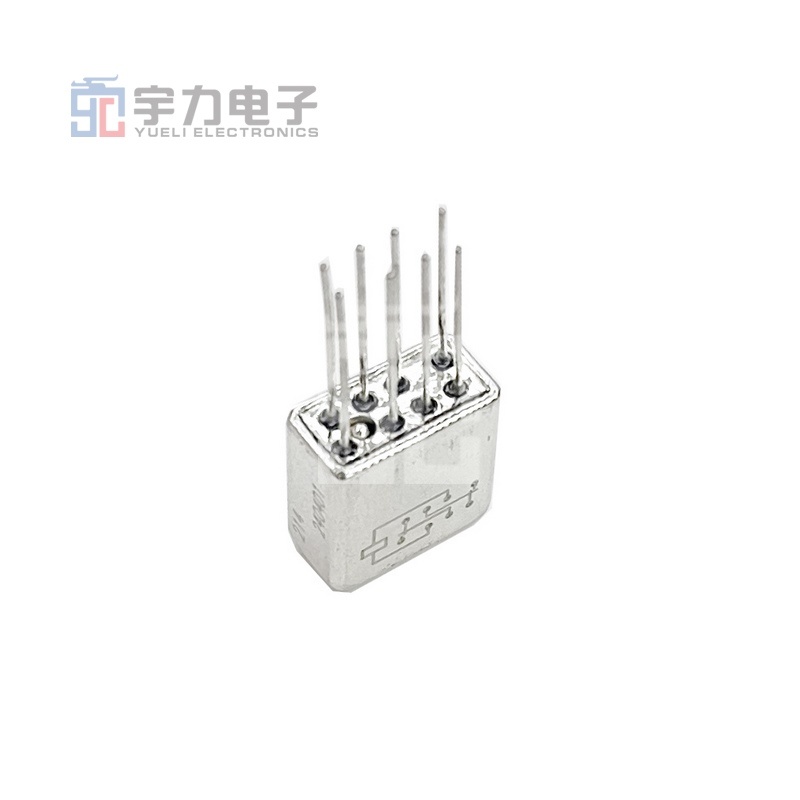
Radio frequency relays are specialized devices used to control the flow of electrical signals in applications involving radio frequencies. These relays play a vital role in various electronic systems, enabling communication and signal processing across a wide range of frequencies. As technology evolves, the demand for reliable and efficient radio frequency relays continues to grow, particularly in fields such as telecommunications, automotive, and industrial automation.
One of the primary functions of radio frequency relays is to switch signals on and off. Unlike standard relays, which may operate effectively in low-frequency applications, radio frequency relays are engineered to handle high-frequency signals, typically in the range of megahertz (MHz) to gigahertz (GHz). This capability allows them to facilitate smooth transmission of RF signals without significant signal distortion or loss, making them indispensable in applications that require high fidelity and precision.
The construction of radio frequency relays is designed to minimize parasitic elements that can affect performance. They typically feature low insertion loss, high isolation, and fast switching capabilities, which aid in maintaining signal integrity. These characteristics are critical in applications such as RF switching, where unwanted interference can lead to compromised system performance.
Moreover, radio frequency relays can be employed in various configurations to suit different applications. For instance, single-pole double-throw (SPDT) configurations are common in antenna switching, allowing users to redirect signals between multiple antennas. Additionally, relay arrays can be utilized for more complex tasks, enabling multiple signal paths and greater flexibility in system design.
The integration of radio frequency relays into electronic systems can also enhance efficiency. By enabling remote signal control and automation, these relays minimize the need for manual intervention, thereby streamlining operations and reducing the risk of human error. This capability is particularly valuable in industries where precise control over RF signals is paramount, such as in communication systems and radar technology.
In conclusion, radio frequency relays serve as a critical component in the electronic landscape, particularly for applications requiring robust signal processing and control. Their ability to manage high-frequency signals efficiently makes them essential in various sectors, from telecommunications to industrial automation. Understanding the functionality and advantages of radio frequency relays can help professionals in the field optimize their use and drive innovation in electronic design.
One of the primary functions of radio frequency relays is to switch signals on and off. Unlike standard relays, which may operate effectively in low-frequency applications, radio frequency relays are engineered to handle high-frequency signals, typically in the range of megahertz (MHz) to gigahertz (GHz). This capability allows them to facilitate smooth transmission of RF signals without significant signal distortion or loss, making them indispensable in applications that require high fidelity and precision.
The construction of radio frequency relays is designed to minimize parasitic elements that can affect performance. They typically feature low insertion loss, high isolation, and fast switching capabilities, which aid in maintaining signal integrity. These characteristics are critical in applications such as RF switching, where unwanted interference can lead to compromised system performance.
Moreover, radio frequency relays can be employed in various configurations to suit different applications. For instance, single-pole double-throw (SPDT) configurations are common in antenna switching, allowing users to redirect signals between multiple antennas. Additionally, relay arrays can be utilized for more complex tasks, enabling multiple signal paths and greater flexibility in system design.
The integration of radio frequency relays into electronic systems can also enhance efficiency. By enabling remote signal control and automation, these relays minimize the need for manual intervention, thereby streamlining operations and reducing the risk of human error. This capability is particularly valuable in industries where precise control over RF signals is paramount, such as in communication systems and radar technology.
In conclusion, radio frequency relays serve as a critical component in the electronic landscape, particularly for applications requiring robust signal processing and control. Their ability to manage high-frequency signals efficiently makes them essential in various sectors, from telecommunications to industrial automation. Understanding the functionality and advantages of radio frequency relays can help professionals in the field optimize their use and drive innovation in electronic design.
Xi'an Yuli Electronic Technology Co., Ltd.
Whats App:+8618122061211

Message consultation
Note: Please leave your contact information and our professionals will contact you as soon as possible!