Welcome to the official website of Xi'an Yuli Electronic Technology Co., Ltd.


Common Applications of Polarized Relays in Industry: A Comprehensive Guide
2025-08-29
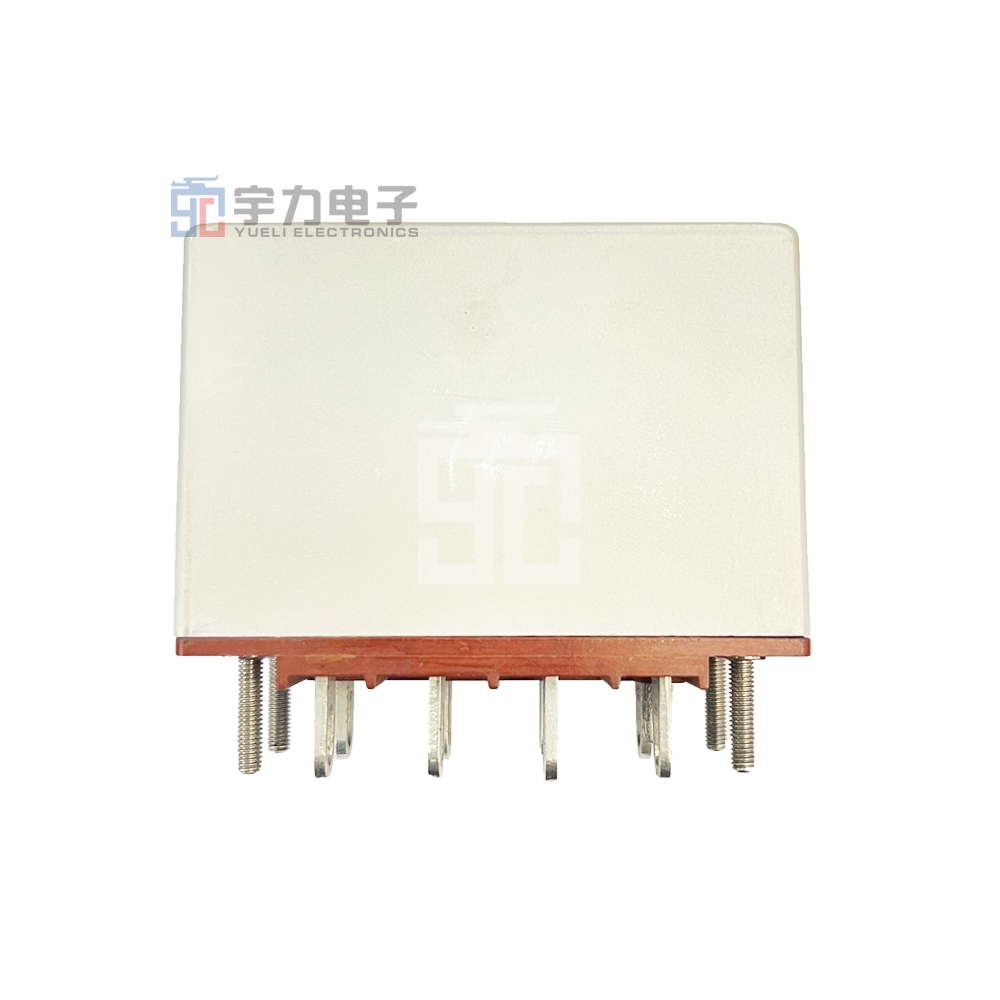
Common Applications of Polarized Relays in Industry
In the modern industrial landscape, **polarized relays** play an essential role in controlling electrical circuits and systems. Their unique design offers enhanced functionality, making them invaluable in various applications. This article will explore the common applications of polarized relays, emphasizing their importance and advantages in different industrial sectors.
Understanding Polarized Relays
Polarized relays are electromagnetic devices that utilize a permanent magnet to maintain the position of the armature, which amplifies the relay's switching action. This design provides reliability and stability, particularly in environments where precision is crucial.
How Polarized Relays Work
At the heart of a polarized relay is an electromagnetic coil that, when energized, creates a magnetic field. This field interacts with the permanent magnet to attract or repel the armature. The design allows for a **faster response time** and the ability to hold the armature in place, which is critical for maintaining circuit integrity.
Key Advantages of Polarized Relays
1. **Stability**: The permanent magnet ensures that the relay remains in a stable state, reducing the likelihood of chatter.
2. **Sensitivity**: Polarized relays are sensitive to lower input signals, allowing them to operate effectively in various applications.
3. **Low Power Consumption**: They typically require less power to operate, making them more energy-efficient.
4. **Durability**: The robust construction of polarized relays enhances their longevity, making them suitable for challenging industrial environments.
Common Industrial Applications of Polarized Relays
Polarized relays find a wide array of applications in various industries. Below are some of the common sectors where these devices are utilized.
1. Automation and Control Systems
In automation and control systems, polarized relays are essential for switching operations. Their **reliable performance** ensures that control signals are executed accurately, which is vital for processes like manufacturing automation, where precise timing and control are crucial.
2. Telecommunications
In telecommunications, polarized relays are used in switching systems and signal processing. They help manage incoming and outgoing calls, providing reliable connections and maintaining signal integrity.
3. Automotive Applications
The automotive industry utilizes polarized relays for various functions, including controlling lighting systems, power windows, and other electronic components. Their ability to handle high currents while maintaining low power consumption makes them ideal for modern vehicles.
4. HVAC Systems
In heating, ventilation, and air conditioning (HVAC) systems, polarized relays control compressors, fans, and other critical components. Their precise control capabilities contribute to maintaining optimal environmental conditions in buildings.
5. Home Appliances
Many home appliances, such as washing machines and refrigerators, employ polarized relays for efficient operation. These relays help manage different functions within the appliances, ensuring they run smoothly and efficiently.
6. Industrial Machinery
Polarized relays are commonly used in industrial machinery for switching various operational controls. Their robustness and reliability are crucial for preventing downtime and ensuring that machinery operates at peak efficiency.
7. Security Systems
In security systems, polarized relays are used to control alarms, motion detectors, and surveillance systems. Their reliability ensures that these systems operate without fail, providing safety and security in both residential and commercial environments.
Best Practices for Implementing Polarized Relays
To maximize the benefits of polarized relays in industrial applications, it is crucial to follow best practices in their implementation.
1. Proper Sizing and Selection
Selecting the right polarized relay for your application involves understanding the load requirements and ensuring that the relay can handle the operational demands. Consider factors such as voltage, current, and environmental conditions.
2. Regular Maintenance
Regular maintenance of polarized relays is essential to ensure long-term reliability. This includes checking connections, cleaning contacts, and replacing any worn components as needed.
3. Understanding Wiring Configurations
Proper wiring is critical to the performance of polarized relays. Ensure that wiring configurations are followed as per the manufacturer's guidelines to prevent potential issues.
4. Testing and Calibration
Before deploying polarized relays in critical applications, conduct thorough testing and calibration to ensure optimal performance. This step helps identify any potential issues and allows for adjustments to be made.
Potential Challenges with Polarized Relays
While polarized relays offer numerous advantages, there are also challenges associated with their use.
1. Sensitivity to Environmental Factors
Polarized relays can be sensitive to extreme temperature and humidity levels, which may affect their performance. It is essential to consider these factors when selecting and installing relays in specific environments.
2. Magnetic Interference
The magnetic fields generated by polarized relays can interfere with nearby electronic devices. Proper shielding and placement can help mitigate this issue.
3. Cost Considerations
Polarized relays can be more expensive than standard relays. It's crucial to weigh the benefits against the costs and determine if they are the right choice for your specific application.
Future Trends in Polarized Relay Technology
As technology advances, so do the capabilities of polarized relays. Some future trends include:
1. Increased Integration with Smart Technology
With the rise of smart technology, polarized relays are increasingly being integrated into IoT devices. This trend enables better control and monitoring of industrial processes.
2. Enhanced Energy Efficiency
Manufacturers are focusing on developing polarized relays that consume even less power while maintaining performance, aligning with global efforts to enhance energy efficiency in industrial applications.
3. Advances in Materials
The development of new materials for polarized relays is expected to improve their durability and performance, making them even more reliable in harsh environments.
Conclusion
Polarized relays are integral to modern industrial applications, providing reliable control, precision, and efficiency across various sectors. Their unique design and advantages make them a preferred choice for automation, telecommunications, automotive, HVAC, home appliances, industrial machinery, and security systems. By understanding their applications, best practices, and potential challenges, industries can harness the power of polarized relays to optimize their operations effectively.
FAQs About Polarized Relays
1. What is the primary advantage of using polarized relays?
The primary advantage of polarized relays is their stability and reliability due to the permanent magnet, which reduces chatter and enhances performance.
2. How do polarized relays differ from standard relays?
Polarized relays utilize a permanent magnet, allowing for a more stable operation compared to standard relays that rely solely on electromagnetic fields.
3. Can polarized relays be used in outdoor applications?
Yes, polarized relays can be used in outdoor applications; however, it is crucial to select models designed to withstand environmental challenges.
4. Are polarized relays suitable for low-power applications?
Absolutely! Polarized relays are sensitive to lower input signals, making them ideal for low-power applications.
5. What maintenance is required for polarized relays?
Regular maintenance includes checking connections, cleaning contacts, and replacing worn components to ensure optimal performance.
Through understanding the functionality and applications of polarized relays, industries can better leverage these components to improve efficiency and reliability in their operations.
Xi'an Yuli Electronic Technology Co., Ltd.
Whats App:+8618122061211

Message consultation
Note: Please leave your contact information and our professionals will contact you as soon as possible!