Welcome to the official website of Xi'an Yuli Electronic Technology Co., Ltd.


The Science Behind How Three Phase Contactors Work
2025-08-31
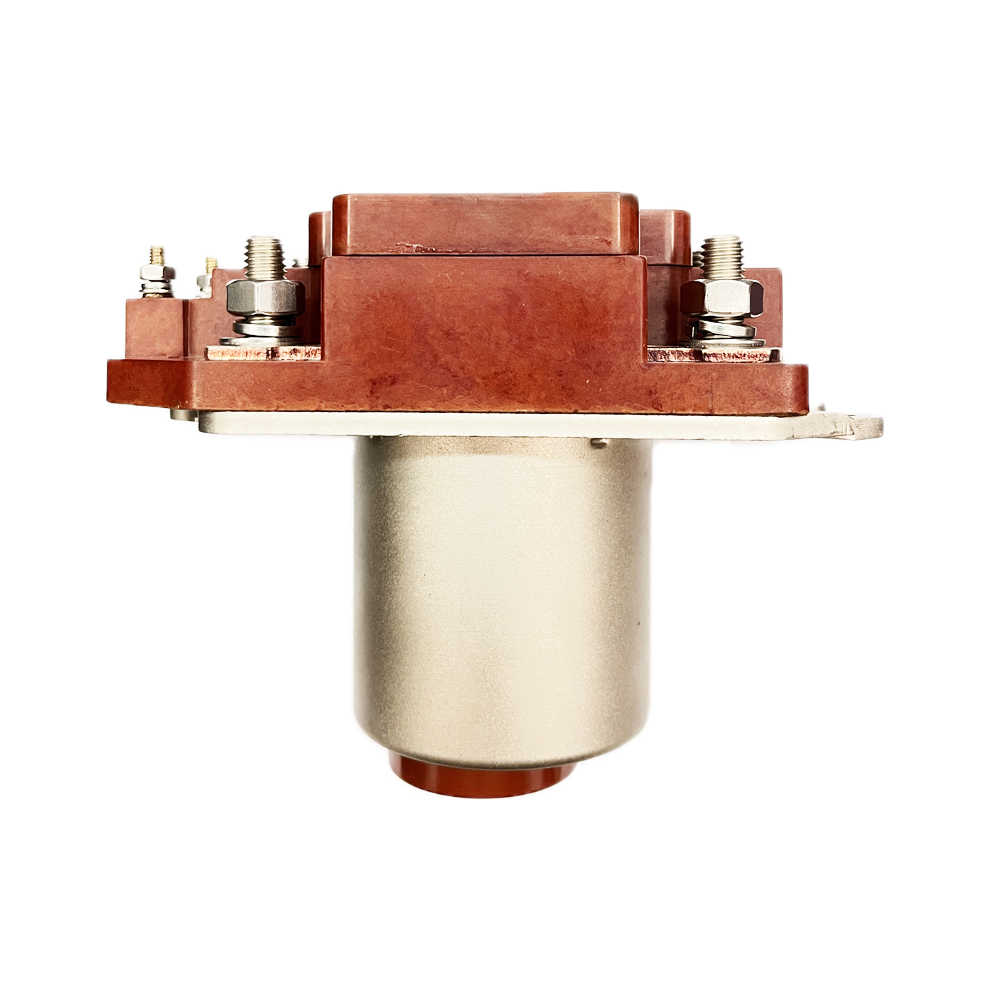
The Science Behind How Three Phase Contactors Work
Table of Contents
1. Understanding Contactors in Electrical Systems
2. What is a Three Phase Contactor?
3. The Working Principle of Three Phase Contactors
3.1 Electromagnetic Operation
3.2 Control Circuit and Coil Function
4. Components of a Three Phase Contactor
4.1 Main Contacts
4.2 Auxiliary Contacts
4.3 Coil
4.4 Frame and Housing
5. Applications of Three Phase Contactors
6. Advantages of Using Three Phase Contactors
7. Common Issues and Troubleshooting Tips
8. Future Trends in Contactor Technology
9. Frequently Asked Questions (FAQs)
10. Conclusion
1. Understanding Contactors in Electrical Systems
In modern electrical systems, **contactors** play a pivotal role in controlling electrical power to various devices and machinery. These electromechanical switches facilitate the **on-off** operation of electrical circuits and are essential in automating and enhancing safety in industrial applications. Unlike relays, which are designed for lower power loads, contactors are built to handle significantly higher currents and voltages. This article elaborates on the specifics of three-phase contactors, their design, operational principles, and real-world applications.
2. What is a Three Phase Contactor?
A **three-phase contactor** is an electrical switching device designed to control three-phase power circuits. It operates by connecting or disconnecting the electrical supply to three-phase motors and other heavy electrical loads. These contactors are crucial for applications that require stable and efficient operation, as they effectively manage power distribution and minimize electrical stress on components.
Three-phase systems are prevalent in industrial and commercial settings due to their efficiency. They provide smoother operation and reduced vibration in motors, making them ideal for powering large machinery. A three-phase contactor can handle these systems with precision and reliability.
3. The Working Principle of Three Phase Contactors
To understand how three-phase contactors function, we must delve into their operational principles.
3.1 Electromagnetic Operation
At the heart of a three-phase contactor lies an **electromagnet**. When power is supplied to the coil, it generates a magnetic field that attracts a movable armature. This action causes the contacts to close, allowing current to flow through the circuit. Once the power to the coil is turned off, the magnetic field dissipates, and the contacts open, stopping the current flow.
This electromagnetic operation is central to all contactors, allowing them to control high electrical loads without direct human intervention.
3.2 Control Circuit and Coil Function
The **control circuit** associated with a three-phase contactor often includes various components like push buttons, timers, and sensors, which dictate when the contactor should be activated or deactivated. The coil, which is part of the control circuit, is energized to close the contacts and is de-energized to open them.
This functionality allows for automation in industrial processes, enhancing efficiency and safety by reducing the need for manual operation.
4. Components of a Three Phase Contactor
Understanding the various components of a three-phase contactor is crucial for appreciating its functionality.
4.1 Main Contacts
The **main contacts** are the primary conducting elements of the contactor. They are rated for high currents and are responsible for carrying the load. These contacts can be normally open (NO) or normally closed (NC), depending on the specific application and requirements.
4.2 Auxiliary Contacts
**Auxiliary contacts** provide additional functionality and are often used for feedback in control circuits. They can be used to indicate the status of the contactor (open or closed) to other devices in the system.
4.3 Coil
The **coil** is a critical component that generates the electromagnetic field when energized. It converts electrical energy into mechanical motion, allowing the armature to move and operate the contacts.
4.4 Frame and Housing
The **frame and housing** of a three-phase contactor safeguard its internal components and provide structural integrity. They are designed to withstand environmental factors such as dust, moisture, and temperature variations, ensuring the contactor’s longevity and reliability in demanding conditions.
5. Applications of Three Phase Contactors
Three-phase contactors find widespread use across various industries due to their ability to manage heavy electrical loads efficiently. Common applications include:
- **Motor Control:** Three-phase contactors are extensively used in motor control circuits to start and stop electric motors, particularly in pumps, conveyors, and fans.
- **HVAC Systems:** They play a vital role in controlling the operation of heating, ventilation, and air conditioning systems, ensuring energy efficiency and reliable performance.
- **Industrial Machinery:** In manufacturing facilities, three-phase contactors control large machines and automation systems, contributing to smooth operations.
- **Lighting Control:** In commercial buildings, contactors manage lighting systems, providing control over large arrays of lights efficiently.
6. Advantages of Using Three Phase Contactors
Using three-phase contactors presents numerous advantages that enhance their appeal in electrical applications:
- **High Efficiency:** They efficiently manage high-power loads, resulting in lower energy consumption.
- **Reliability:** Designed to withstand harsh operating conditions, three-phase contactors provide consistent performance over time.
- **Automation Capability:** Their integration with control circuits supports automation, reducing the need for manual intervention and increasing operational efficiency.
- **Safety Features:** Many modern contactors come equipped with built-in safety features, such as overload protection and fault detection, enhancing system safety.
7. Common Issues and Troubleshooting Tips
While three-phase contactors are robust devices, they are not immune to issues. Common problems and troubleshooting tips include:
- **Contact Welding:** If the contacts are welded together, this may indicate that the contactor is overloaded or that there is a fault in the circuit. Inspect the load and replace the contactor if necessary.
- **Coil Burnout:** A burnt coil could be caused by a voltage spike or prolonged operation. Check the supply voltage and replace the coil if damaged.
- **Inconsistent Operation:** If the contactor operates intermittently, check the control circuit for loose connections or damaged components.
8. Future Trends in Contactor Technology
As technology advances, the future of three-phase contactors looks promising. Emerging trends include:
- **Smart Contactors:** The integration of IoT technology allows remote monitoring and control of contactors, enhancing operational efficiency and predictive maintenance.
- **Energy Efficiency:** Innovations aimed at improving energy efficiency are underway, ensuring that contactors consume less power while maintaining performance.
- **Miniaturization:** With the drive towards compact designs, future contactors will be smaller and lighter without compromising reliability or functionality.
9. Frequently Asked Questions (FAQs)
What is the difference between a contactor and a relay?
Contactors are designed for high-current loads and are typically used in power applications, whereas relays are suitable for lower power signals and control applications.
Can three phase contactors be used for single-phase applications?
Yes, three-phase contactors can be adapted for single-phase applications, but it is essential to ensure they are rated accordingly.
What precautions should be taken when installing three-phase contactors?
Ensure that the contactor is rated for the load it will control, verify proper wiring, and follow local electrical codes for installation.
How long do three-phase contactors typically last?
With proper care and within rated specifications, three-phase contactors can last for several years, often 10 years or more, depending on usage and environmental conditions.
Can three-phase contactors be repaired?
While some components may be repairable, it is often more cost-effective to replace the contactor than to attempt repairs, particularly for wear-related issues.
10. Conclusion
In summary, three-phase contactors are crucial components in modern electrical systems, enabling efficient control of high-power loads across various applications. Understanding their principles of operation, components, and benefits can significantly enhance system design and maintenance. As technology evolves, the integration of smart features and energy-efficient designs will continue to shape the future of contactors, ensuring they remain indispensable tools in the engineering and industrial landscape.
Xi'an Yuli Electronic Technology Co., Ltd.
Whats App:+8618122061211

Message consultation
Note: Please leave your contact information and our professionals will contact you as soon as possible!