Welcome to the official website of Xi'an Yuli Electronic Technology Co., Ltd.


Understanding Electromagnetic Contactors: A Key Component in Electrical Systems
2025-09-01
---
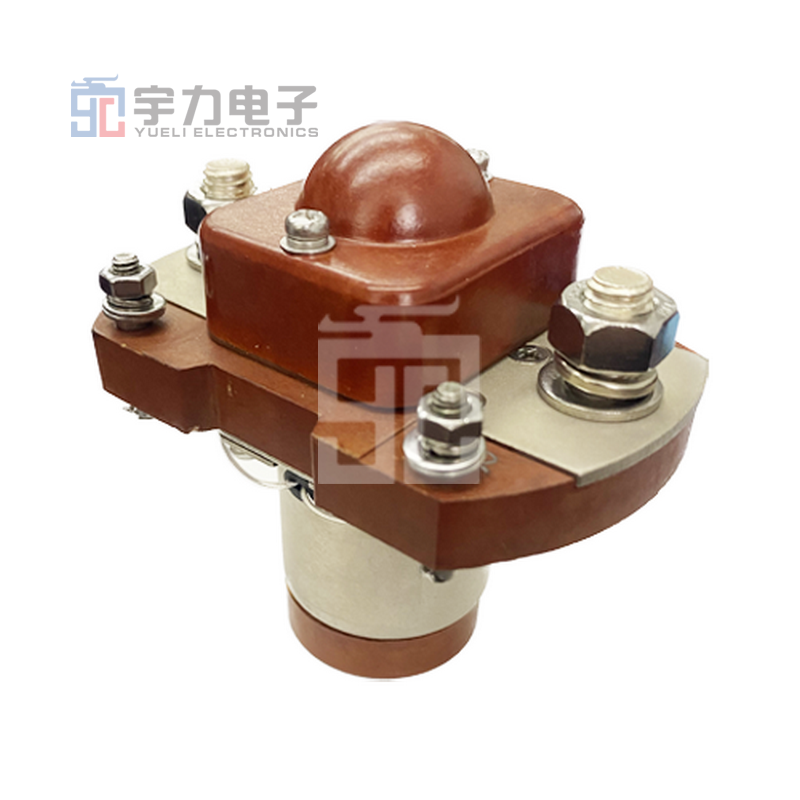
Electromagnetic contactors are essential components in modern electrical systems, acting as switches to control the flow of electrical power to various devices and equipment. These devices are designed to handle high voltages and currents, making them integral to a wide range of applications, from industrial machinery to HVAC systems and lighting controls.
At their core, electromagnetic contactors consist of an electromagnet, a set of contacts, and an enclosure. When electrical current flows through the coil of the electromagnet, it generates a magnetic field that pulls the movable contact towards the fixed contact. This action either completes or interrupts the electrical circuit, allowing for the control of power to connected devices. The versatility of these contactors enables them to be used for both AC and DC applications, depending on their design.
One of the primary advantages of electromagnetic contactors is their ability to manage large electrical loads safely. They are equipped with mechanisms to handle inrush currents, which can be several times higher than the normal operating current. This characteristic is particularly important in applications such as motor control, where starting currents can cause conventional switches to fail. Additionally, electromagnetic contactors often include built-in protection features like overload relays and short-circuit protection, enhancing the safety and reliability of electrical systems.
When selecting an electromagnetic contactor for a specific application, several factors must be considered. These include the voltage and current ratings, the type of load (inductive or resistive), and the environmental conditions in which the contactor will operate. Proper sizing is crucial; an undersized contactor may overheat and fail, while an oversized unit may lead to inefficient operation and increased energy costs.
Installation and maintenance of electromagnetic contactors are also vital for ensuring their longevity and performance. Regular inspections should be conducted to check for signs of wear or overheating. Proper cleaning and tightening of connections can prevent electrical arcing and prolong the contactor's life.
In summary, electromagnetic contactors are a cornerstone of electrical control systems, providing a reliable means to switch power to various devices. Their design and functionality not only enhance safety but also facilitate the efficient operation of electrical equipment across multiple industries. Understanding these devices is crucial for professionals in the field of electronics, as it enables them to make informed decisions regarding design, selection, and maintenance, ultimately ensuring the smooth operation of their electrical systems.
Electromagnetic contactors are essential components in modern electrical systems, acting as switches to control the flow of electrical power to various devices and equipment. These devices are designed to handle high voltages and currents, making them integral to a wide range of applications, from industrial machinery to HVAC systems and lighting controls.
At their core, electromagnetic contactors consist of an electromagnet, a set of contacts, and an enclosure. When electrical current flows through the coil of the electromagnet, it generates a magnetic field that pulls the movable contact towards the fixed contact. This action either completes or interrupts the electrical circuit, allowing for the control of power to connected devices. The versatility of these contactors enables them to be used for both AC and DC applications, depending on their design.
One of the primary advantages of electromagnetic contactors is their ability to manage large electrical loads safely. They are equipped with mechanisms to handle inrush currents, which can be several times higher than the normal operating current. This characteristic is particularly important in applications such as motor control, where starting currents can cause conventional switches to fail. Additionally, electromagnetic contactors often include built-in protection features like overload relays and short-circuit protection, enhancing the safety and reliability of electrical systems.
When selecting an electromagnetic contactor for a specific application, several factors must be considered. These include the voltage and current ratings, the type of load (inductive or resistive), and the environmental conditions in which the contactor will operate. Proper sizing is crucial; an undersized contactor may overheat and fail, while an oversized unit may lead to inefficient operation and increased energy costs.
Installation and maintenance of electromagnetic contactors are also vital for ensuring their longevity and performance. Regular inspections should be conducted to check for signs of wear or overheating. Proper cleaning and tightening of connections can prevent electrical arcing and prolong the contactor's life.
In summary, electromagnetic contactors are a cornerstone of electrical control systems, providing a reliable means to switch power to various devices. Their design and functionality not only enhance safety but also facilitate the efficient operation of electrical equipment across multiple industries. Understanding these devices is crucial for professionals in the field of electronics, as it enables them to make informed decisions regarding design, selection, and maintenance, ultimately ensuring the smooth operation of their electrical systems.
Xi'an Yuli Electronic Technology Co., Ltd.
Whats App:+8618122061211

Message consultation
Note: Please leave your contact information and our professionals will contact you as soon as possible!