Welcome to the official website of Xi'an Yuli Electronic Technology Co., Ltd.


Understanding Coil Voltage in Electromagnetic Relays: A Comprehensive Guide
2025-09-04
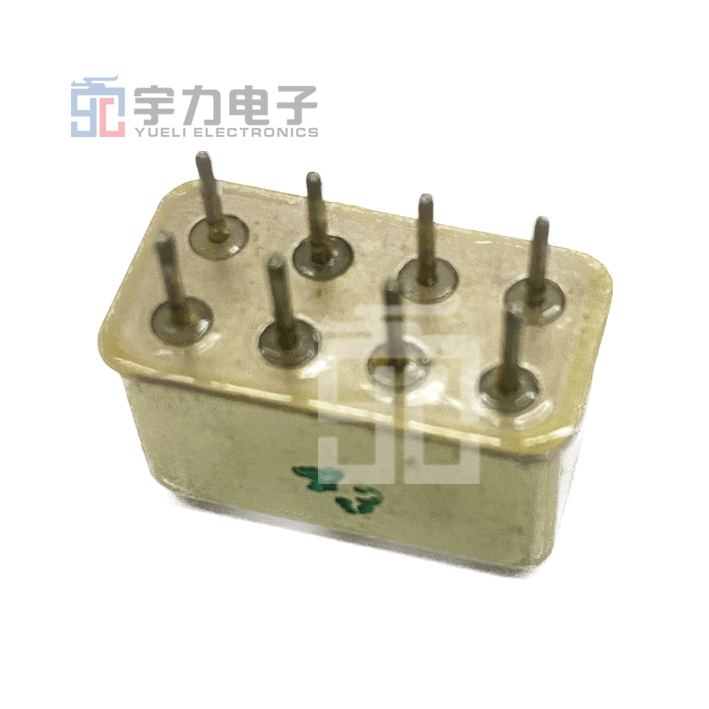
Understanding Coil Voltage in Electromagnetic Relays
Table of Contents
- 1. Introduction to Electromagnetic Relays
- 2. What is Coil Voltage?
- 3. The Importance of Coil Voltage in Relay Operation
- 4. Types of Coil Voltage in Electromagnetic Relays
- 5. How to Select the Right Coil Voltage for Your Application
- 6. Troubleshooting Coil Voltage Issues
- 7. Common Applications of Electromagnetic Relays
- 8. The Future of Electromagnetic Relays and Coil Voltage Technology
- 9. Frequently Asked Questions
- 10. Conclusion
1. Introduction to Electromagnetic Relays
Electromagnetic relays serve as crucial components in electrical systems, acting as switches that control circuits. By utilizing a coil and an armature, they enable the opening and closing of circuits based on electromagnetic principles. Understanding the coil voltage that powers these relays is fundamental for anyone involved in electrical engineering or circuit design.
2. What is Coil Voltage?
Coil voltage refers to the electrical potential required to energize the coil of an electromagnetic relay. This voltage is essential for creating the magnetic field that activates the relay's switching mechanism. Typically measured in volts (V), the coil voltage can vary based on the relay design and its intended application.
3. The Importance of Coil Voltage in Relay Operation
The coil voltage plays a pivotal role in the overall functionality and reliability of electromagnetic relays. A correctly chosen coil voltage ensures optimal operation, while an incorrect voltage can lead to inefficiencies or failures. Here are some key aspects of its importance:
3.1 Activation of the Relay
The primary function of the coil voltage is to energize the relay. When voltage is applied, the coil generates a magnetic field that pulls the armature, thereby closing or opening the circuit.
3.2 Influence on Relay Speed
The coil voltage also affects the speed at which the relay operates. Higher coil voltages can lead to faster switching times, which is vital in applications requiring quick responses.
3.3 Impact on Reliability
Using the appropriate coil voltage enhances the relay's lifespan and reliability. Over-voltage can cause overheating, while under-voltage may result in incomplete activation, leading to malfunction.
4. Types of Coil Voltage in Electromagnetic Relays
Electromagnetic relays can operate on various coil voltages, generally classified into two main categories:
4.1 AC Coil Voltage
AC (Alternating Current) coil voltages are characterized by a sinusoidal waveform. Common values include 24V, 120V, and 240V. AC relays are often used in applications where the power supply is AC, such as in home appliances and industrial equipment.
4.2 DC Coil Voltage
DC (Direct Current) coil voltages provide a steady flow of electricity. Typical values range from 5V to 48V. DC relays are preferred in low-voltage applications like automotive systems and electronic devices due to their straightforward on/off controls.
5. How to Select the Right Coil Voltage for Your Application
Choosing the correct coil voltage is crucial for ensuring the effective operation of electromagnetic relays. Here are several factors to consider during the selection process:
5.1 Application Requirements
Evaluate the specific requirements of your application, including the type of load the relay will control and the power supply available. Ensure that the coil voltage matches the system's voltage for optimal performance.
5.2 Relay Specifications
Review the manufacturer's specifications for the relay, paying attention to the recommended coil voltage range. Selecting a relay outside this range can lead to detrimental operability.
5.3 Environmental Conditions
Consider the environment in which the relay will operate. High humidity, temperature fluctuations, and potential exposure to corrosive substances can all affect relay performance.
6. Troubleshooting Coil Voltage Issues
Identifying and resolving coil voltage issues is essential for maintaining reliable relay operation. Here are common problems and solutions:
6.1 Insufficient Coil Voltage
If a relay fails to activate, the first step is to check the coil voltage. Measure the voltage at the coil terminals to ensure it meets the manufacturer's specifications. If the voltage is low, investigate the power supply and connections.
6.2 Over-Voltage Conditions
An overheated or burned relay may indicate over-voltage conditions. Verify the operating voltage and ensure it aligns with the relay's rating. If over-voltage is confirmed, adjust the circuit to prevent further damage.
6.3 Intermittent Operation
Intermittent relay performance can stem from poor connections or fluctuating voltage levels. Inspect all connections and test the power supply to ensure stable voltage delivery.
7. Common Applications of Electromagnetic Relays
Electromagnetic relays find use across various industries due to their versatility. Here are some common applications:
7.1 Industrial Automation
In manufacturing, relays automate machinery and control operations, ensuring seamless production processes.
7.2 HVAC Systems
Relays play a critical role in HVAC systems, helping regulate heating, ventilation, and air conditioning by controlling motors and compressors.
7.3 Automotive Systems
In vehicles, relays manage various electrical systems, including lighting, ignition, and power accessories, contributing to vehicle safety and functionality.
8. The Future of Electromagnetic Relays and Coil Voltage Technology
As technology evolves, so do electromagnetic relays. Innovations in materials and design have led to more efficient, reliable relays with enhanced coil voltage handling capabilities. The future may see the integration of smart technologies, allowing for greater control and monitoring of relay systems, further improving automation and energy efficiency.
9. Frequently Asked Questions
9.1 What is the typical coil voltage for electromagnetic relays?
Coil voltages typically range from 5V to 240V, depending on the relay type and application. Common values include 12V, 24V, 120V, and 240V.
9.2 Can I use a relay with the wrong coil voltage?
Using a relay with the wrong coil voltage can lead to malfunction, overheating, or failure. Always match the relay's coil voltage to your application's specifications.
9.3 How can I test a relay's coil voltage?
To test a relay's coil voltage, use a multimeter to measure the voltage across the coil terminals while the relay is energized. Ensure it matches the rated voltage.
9.4 What happens if the coil voltage is too low?
If the coil voltage is too low, the relay may not activate fully or at all, resulting in incomplete circuit operation.
9.5 Are there any alternatives to electromagnetic relays?
Yes, alternatives include solid-state relays and mechanical switches. Each option has its advantages and is suited to different applications.
10. Conclusion
Understanding coil voltage in electromagnetic relays is essential for anyone working with electrical systems. By grasping the significance of coil voltage, its types, and how to select and troubleshoot it, you can ensure optimal performance and reliability in various applications. As technology advances, the role of relays will continue to evolve, making it crucial for professionals to stay informed about the latest developments in this field.
Xi'an Yuli Electronic Technology Co., Ltd.
Whats App:+8618122061211

Message consultation
Note: Please leave your contact information and our professionals will contact you as soon as possible!