Welcome to the official website of Xi'an Yuli Electronic Technology Co., Ltd.


Understanding High Power Relays: A Comprehensive Guide
2025-09-05
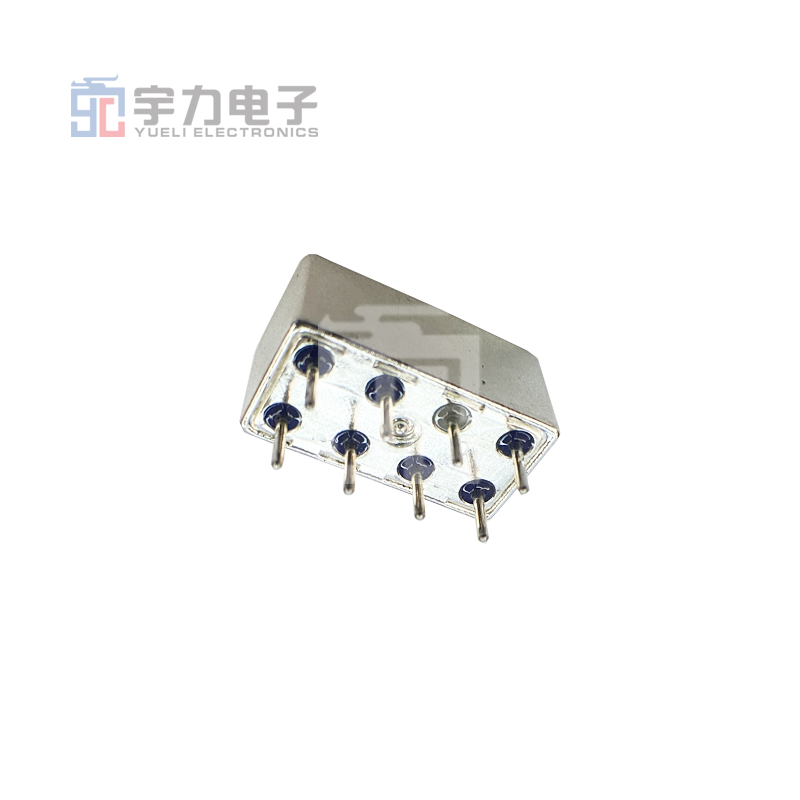
High power relays are crucial components in the realm of electronic devices, specifically designed to control large electrical loads with precision and reliability. These relays act as switches that can open or close circuits under high voltage and current conditions, providing an essential interface between low power control circuits and high power loads.
One of the primary features of high power relays is their robust construction, which enables them to handle significant amounts of power without succumbing to thermal or mechanical stress. Typically, these relays utilize materials such as silver or platinum for their contacts, giving them the durability needed to endure frequent switching cycles. The design generally includes a coil that, when energized, generates a magnetic field strong enough to pull in a mechanical armature, thus closing or opening the circuit.
High power relays are available in various configurations, including electromechanical and solid-state types. Electromechanical relays (EMRs) rely on physical movement to create an electrical connection, making them suitable for applications requiring isolation between the control and load circuits. On the other hand, solid-state relays (SSRs) utilize semiconductor devices to switch circuits without moving parts, offering faster response times and longer lifespans.
Applications of high power relays are vast, ranging from industrial automation systems to consumer electronics. In industrial settings, they are often used in motor control, lighting systems, and equipment protection, allowing for efficient power management and operational safety. In consumer applications, high power relays can be found in devices such as air conditioning units, heating systems, and other appliances that demand reliable power switching capabilities.
One crucial consideration when selecting a high power relay is the relay's specifications, including voltage rating, current rating, and switching capacity. Ensuring that the relay's ratings align with the application's requirements is vital to prevent failure and ensure safety. Additionally, factors such as contact configuration, response time, and environmental ratings (like temperature and humidity tolerance) should also be taken into account.
In conclusion, high power relays are indispensable in modern electronics, bridging the gap between low power control circuits and high power loads. By understanding their functionality, types, and applications, users can make informed decisions on integrating these components into their systems. Whether for industrial or consumer use, high power relays play a significant role in enhancing operational efficiency and ensuring system reliability.
One of the primary features of high power relays is their robust construction, which enables them to handle significant amounts of power without succumbing to thermal or mechanical stress. Typically, these relays utilize materials such as silver or platinum for their contacts, giving them the durability needed to endure frequent switching cycles. The design generally includes a coil that, when energized, generates a magnetic field strong enough to pull in a mechanical armature, thus closing or opening the circuit.
High power relays are available in various configurations, including electromechanical and solid-state types. Electromechanical relays (EMRs) rely on physical movement to create an electrical connection, making them suitable for applications requiring isolation between the control and load circuits. On the other hand, solid-state relays (SSRs) utilize semiconductor devices to switch circuits without moving parts, offering faster response times and longer lifespans.
Applications of high power relays are vast, ranging from industrial automation systems to consumer electronics. In industrial settings, they are often used in motor control, lighting systems, and equipment protection, allowing for efficient power management and operational safety. In consumer applications, high power relays can be found in devices such as air conditioning units, heating systems, and other appliances that demand reliable power switching capabilities.
One crucial consideration when selecting a high power relay is the relay's specifications, including voltage rating, current rating, and switching capacity. Ensuring that the relay's ratings align with the application's requirements is vital to prevent failure and ensure safety. Additionally, factors such as contact configuration, response time, and environmental ratings (like temperature and humidity tolerance) should also be taken into account.
In conclusion, high power relays are indispensable in modern electronics, bridging the gap between low power control circuits and high power loads. By understanding their functionality, types, and applications, users can make informed decisions on integrating these components into their systems. Whether for industrial or consumer use, high power relays play a significant role in enhancing operational efficiency and ensuring system reliability.
Previous:
Xi'an Yuli Electronic Technology Co., Ltd.
Whats App:+8618122061211

Message consultation
Note: Please leave your contact information and our professionals will contact you as soon as possible!