Welcome to the official website of Xi'an Yuli Electronic Technology Co., Ltd.


Choosing Between Electromechanical and Solid-State Miniature Relays: A Comprehensive Guide
2025-09-06
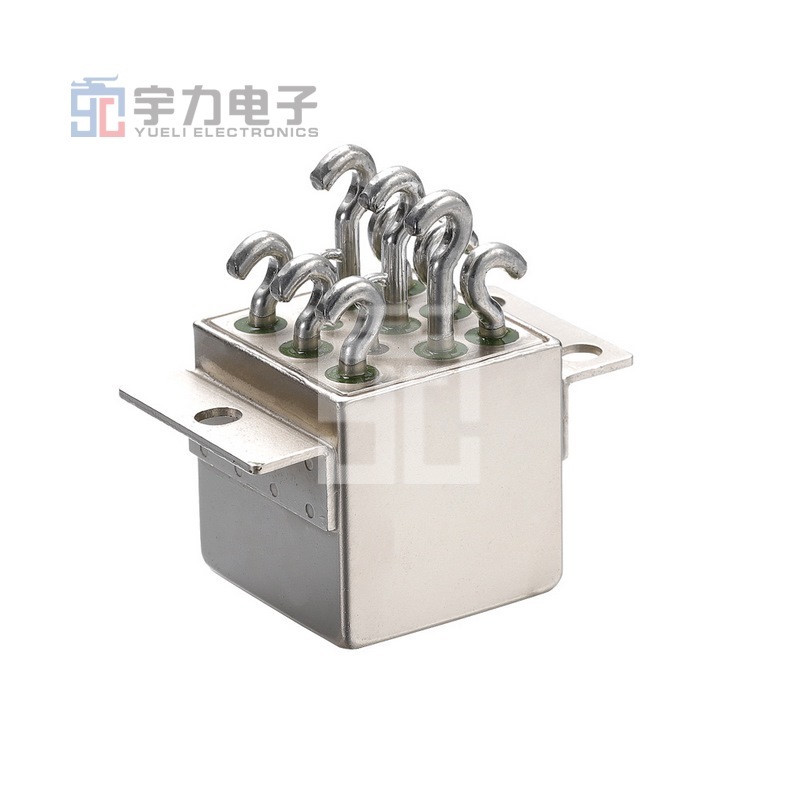
Choosing Between Electromechanical and Solid-State Miniature Relays: A Comprehensive Guide
Table of Contents
- 1. Introduction to Miniature Relays
- 2. Understanding Electromechanical Relays
- 3. Understanding Solid-State Relays
- 4. Key Differences Between Electromechanical and Solid-State Relays
- 5. Advantages of Electromechanical Relays
- 6. Advantages of Solid-State Relays
- 7. Applications of Electromechanical vs. Solid-State Relays
- 8. Making the Right Choice: Factors to Consider
- 9. Frequently Asked Questions
- 10. Conclusion
1. Introduction to Miniature Relays
Miniature relays are crucial components in various electronic systems. They act as switches that control larger currents with low voltage signals, making them essential for automation, control, and protection in circuits. With two primary types available—electromechanical and solid-state relays—understanding their functionalities is vital for selecting the right relay for specific applications.
2. Understanding Electromechanical Relays
Electromechanical relays (EMRs) utilize an electromagnetic coil to mechanically operate a switch. When an electrical current passes through the coil, it generates a magnetic field that attracts a movable armature, thus closing or opening the switch contacts. This mechanical action is what allows EMRs to control higher power loads.
Key Characteristics of Electromechanical Relays
- **Mechanical Operation**: The physical movement of components allows for reliable switching.
- **Inherent Isolation**: Provides electrical isolation between the input and output circuits.
- **Load Capabilities**: Typically rated for higher currents and voltages.
- **Varied Contact Types**: Available in normally open (NO) and normally closed (NC) configurations.
3. Understanding Solid-State Relays
Solid-state relays (SSRs) are semiconductor devices that switch on or off electronic signals without moving parts. They use light-emitting diodes (LEDs) to trigger a phototransistor or another type of semiconductor switch. This design allows for faster switching speeds and longer operational life compared to traditional relays.
Key Characteristics of Solid-State Relays
- **No Moving Parts**: This results in less wear and tear and a longer lifespan.
- **Fast Switching Speeds**: Capable of switching in microseconds, making them ideal for high-frequency applications.
- **Compact Size**: Often smaller than EMRs, allowing for more efficient use of space in circuits.
- **High Reliability**: Less susceptible to shock and vibration, ensuring consistent performance.
4. Key Differences Between Electromechanical and Solid-State Relays
The choice between electromechanical and solid-state relays often comes down to specific application needs. Below, we outline the key differences that influence this decision-making process.
Performance and Speed
- **Electromechanical Relays**: Generally slower due to mechanical movement, making them less suitable for high-speed applications.
- **Solid-State Relays**: Offer rapid switching capabilities, ideal for applications requiring quick response times.
Durability and Longevity
- **Electromechanical Relays**: Prone to wear and tear over time due to mechanical components.
- **Solid-State Relays**: Typically last longer, with a lifespan often exceeding 10 million operations due to the absence of physical movement.
Cost Considerations
- **Electromechanical Relays**: Usually less expensive upfront but may incur higher maintenance costs over time.
- **Solid-State Relays**: Higher initial investment but often provide better value in the long run due to lower replacement frequency.
Heat Generation
- **Electromechanical Relays**: Generate more heat during operation due to the physical actuation.
- **Solid-State Relays**: Generate minimal heat, making them suitable for compact designs where thermal management is critical.
5. Advantages of Electromechanical Relays
Despite the rise of solid-state technology, electromechanical relays still hold significant advantages.
Higher Load Ratings
Electromechanical relays can handle higher load currents and voltages than most solid-state relays, making them the preferred choice for heavy-duty applications.
Cost-Effectiveness for Low-Frequency Applications
For applications that do not require high-speed switching, EMRs can be more cost-effective due to their lower initial purchase price.
Simple Design and Easy Integration
The straightforward design of electromechanical relays makes them easy to integrate into various systems without requiring complex interfacing circuits.
6. Advantages of Solid-State Relays
Solid-state relays come with their own set of benefits that make them appealing in many scenarios.
Increased Reliability
With no mechanical components, SSRs exhibit increased reliability and are less likely to fail in harsh environments.
Noise-Free Operation
Solid-state relays operate silently, making them ideal for noise-sensitive applications where electromagnetic interference must be minimized.
Versatility in Applications
They are suitable for a wide range of applications, including automation, HVAC systems, and industrial machine controls, where fast and reliable switching is necessary.
7. Applications of Electromechanical vs. Solid-State Relays
Both relay types have distinct applications depending on their characteristics.
Common Applications for Electromechanical Relays
- **Automotive Systems**: Used to control lighting, motors, and various other components.
- **Industrial Machinery**: Essential for controlling high-power equipment.
- **Home Appliances**: Common in devices that require robust switching capabilities.
Common Applications for Solid-State Relays
- **Data Acquisition Systems**: Ideal for fast and reliable switching in sensors and data loggers.
- **Lighting Control Systems**: Used in stage lighting and architectural lighting for quick adjustments.
- **Motor Control**: Effective in applications that require precise speed and position control.
8. Making the Right Choice: Factors to Consider
When deciding between electromechanical and solid-state relays, several factors should be considered to ensure optimal performance for your specific application.
Application Requirements
Identify whether your application demands high-speed switching or can function within the slower response times of EMRs.
Cost Versus Performance
Evaluate the trade-offs between initial costs and long-term reliability. While SSRs may have a higher upfront cost, their longevity may lead to lower total ownership costs.
Environmental Conditions
Assess the operating environment. If the relay will be exposed to vibrations, shocks, or extreme temperatures, solid-state relays may offer superior performance.
Space Constraints
For tight spaces, SSRs are often the better choice due to their compact size, allowing for more efficient circuit designs.
9. Frequently Asked Questions
1. What is the main difference between electromechanical and solid-state relays?
The primary difference lies in their operation: electromechanical relays utilize mechanical movement to switch, while solid-state relays rely on semiconductor technology and do not have moving parts.
2. Which type of relay is better for high-speed applications?
Solid-state relays are preferred for high-speed applications due to their rapid switching capabilities compared to electromechanical relays.
3. Can electromechanical relays handle larger loads?
Yes, electromechanical relays can typically handle higher voltage and current loads than solid-state relays, making them suitable for heavy-duty applications.
4. Are solid-state relays more reliable than electromechanical relays?
Yes, solid-state relays are generally more reliable because they have no mechanical components that can wear out, resulting in longer operational lifetimes.
5. In what applications would I use an electromechanical relay over a solid-state relay?
Electromechanical relays are often used in applications requiring higher load capacities, such as industrial machinery and automotive systems, where the cost is a significant factor.
10. Conclusion
Choosing between electromechanical and solid-state miniature relays ultimately depends on the specific requirements of your application. By evaluating the advantages and disadvantages of each type, alongside application needs, costs, and environmental considerations, you can make an informed decision that enhances the performance and reliability of your electronic systems. Whether you opt for the durability and load capacity of electromechanical relays or the speed and reliability of solid-state relays, understanding their functions will ensure you select the right component for your needs.
Xi'an Yuli Electronic Technology Co., Ltd.
Whats App:+8618122061211

Message consultation
Note: Please leave your contact information and our professionals will contact you as soon as possible!