Welcome to the official website of Xi'an Yuli Electronic Technology Co., Ltd.


Three Phase Relay vs. Single Phase Relay: Key Differences Explained
2025-09-08
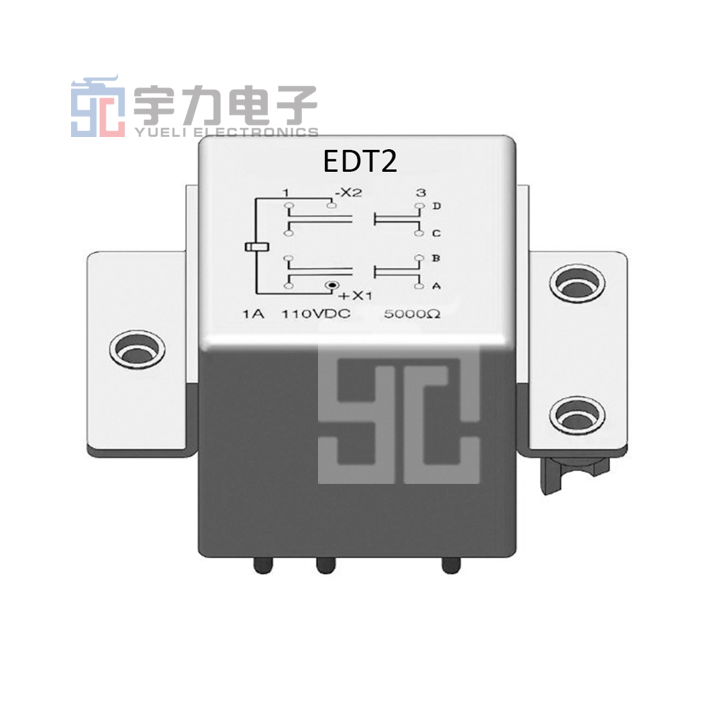
Three Phase Relay vs. Single Phase Relay: Key Differences Explained
Table of Contents
- 1. Introduction to Relays
- 2. What are Relays?
- 3. Understanding Single Phase Relays
- 4. Understanding Three Phase Relays
- 5. Key Differences Between Three Phase and Single Phase Relays
- 5.1 Voltage and Current Ratings
- 5.2 Applications
- 5.3 Efficiency and Performance
- 5.4 Cost Considerations
- 6. When to Use Each Relay Type
- 7. Advantages and Disadvantages of Each Relay
- 8. Maintenance and Troubleshooting
- 9. Frequently Asked Questions
- 10. Conclusion
1. Introduction to Relays
Relays are pivotal components in electrical systems, connecting and disconnecting circuits to manage power and control devices efficiently. They operate as electro-mechanical switches that leverage electromagnetic principles to control multiple circuits. In industrial applications, different types of relays are utilized based on the power requirements and operational characteristics. Understanding the nuances between **three-phase relays** and **single-phase relays** is crucial for making the right choice for your specific needs.
2. What are Relays?
A relay is an electrical device used to control a circuit by a low-power signal or to control several circuits by one signal. Typically, a relay consists of a coil, which creates a magnetic field when current flows through it, and one or more sets of contacts that allow or disallow electrical current in a circuit. Relays can be classified based on their power supply, number of phases, and method of operation.
3. Understanding Single Phase Relays
A **single-phase relay** operates with a single-phase power supply, primarily used in residential and light commercial applications. These relays are designed to manage devices powered by single-phase electricity, which is prevalent in most household circuits.
Single-phase relays often come with mechanical or solid-state switching capabilities and are ideal for controlling loads like motors, lighting, and heating elements. Their operational simplicity makes them a popular choice for applications requiring straightforward on-off control.
4. Understanding Three Phase Relays
In contrast, a **three-phase relay** operates using a three-phase power supply, which is common in industrial and heavy commercial settings. Three-phase systems are characterized by three alternating currents that reach their peak values at different times, providing a more stable and efficient power supply for heavy machinery and equipment.
Three-phase relays are designed to manage the complexities of three-phase motors, generators, and other equipment that require balanced power. These relays allow for advanced control, protection, and monitoring of three-phase systems, ensuring optimal performance and safety.
5. Key Differences Between Three Phase and Single Phase Relays
Understanding the distinct characteristics of three-phase and single-phase relays can empower users to make educated decisions. Here are the essential differences:
5.1 Voltage and Current Ratings
Single-phase relays typically handle lower voltages, often up to 240 volts, and are designed for currents that match household and small commercial application demands. On the other hand, three-phase relays are built to manage significantly higher voltage and current ratings, often exceeding 480 volts, to cater to industrial machinery that requires robust power delivery.
5.2 Applications
Single-phase relays are predominantly employed in residential settings for devices such as air conditioners, heating systems, and lighting. Conversely, three-phase relays are critical in industrial applications such as manufacturing plants, large motors, and power distribution systems, where efficiency and reliability are paramount.
5.3 Efficiency and Performance
Three-phase relays excel in efficiency due to the balanced power delivered by three-phase systems. They minimize power loss and improve the overall performance of electrical equipment. In contrast, while single-phase relays are adequate for lighter loads, they may experience greater fluctuations in power delivery, affecting efficiency.
5.4 Cost Considerations
Single-phase relays are generally more cost-effective due to their simpler design and lower component requirements. However, three-phase relays, although more expensive, offer long-term savings through enhanced efficiency and reduced operational costs in industrial settings.
6. When to Use Each Relay Type
Choosing the right relay type depends on the specific application requirements. For residential and light commercial needs, a single-phase relay is often adequate and more economical. However, in scenarios where heavy machinery or multiple systems need to be controlled simultaneously, a three-phase relay is essential for reliability and performance.
Considerations such as load type, voltage specifications, and the complexity of the electrical system should guide your selection process. Understanding these factors ensures that your operations run smoothly and safely.
7. Advantages and Disadvantages of Each Relay
Each relay type comes with its unique set of advantages and disadvantages that can influence your decision-making process.
Advantages of Single Phase Relays
- **Cost-Effective:** Generally less expensive compared to three-phase relays.
- **Simplicity:** Easier to install and maintain, making them ideal for small-scale applications.
- **Availability:** Widely available in various models and configurations.
Disadvantages of Single Phase Relays
- **Limited Power Handling:** Not suitable for high-power applications.
- **Less Efficiency:** May result in fluctuations in power delivery.
Advantages of Three Phase Relays
- **High Efficiency:** Provides stable power delivery and reduces energy loss.
- **Better Performance with Heavy Loads:** Ideal for industrial applications requiring significant power.
- **Advanced Control Capabilities:** Can manage complex electrical systems effectively.
Disadvantages of Three Phase Relays
- **Higher Costs:** More expensive due to complex design and higher component quality.
- **Complex Installation:** Requires specialized knowledge and skills for installation and maintenance.
8. Maintenance and Troubleshooting
Proper maintenance and troubleshooting are essential for ensuring the longevity of both single-phase and three-phase relays. Regular inspections, cleaning of contacts, and checking for loose connections can prevent potential issues.
For single-phase relays, a simple routine maintenance schedule can keep the system running optimally. In contrast, three-phase relays require more detailed checks, such as monitoring the balance of the three phases, ensuring that the load is evenly distributed and that the relays are functioning correctly under load conditions.
If issues arise, understanding the relay's operation can help in troubleshooting. Look for signs of overheating, unusual noises, or inconsistent performance, and consult the manufacturer’s documentation for specific diagnostic procedures.
9. Frequently Asked Questions
1. What is the main difference between single-phase and three-phase relays?
The primary difference lies in their applications; single-phase relays are designed for lower power and residential use, while three-phase relays are intended for industrial settings requiring higher power and efficiency.
2. Can a single-phase relay be used in a three-phase system?
Using a single-phase relay in a three-phase system is not recommended as it may lead to performance issues and potential damage due to mismatched power requirements.
3. Are three-phase relays more energy-efficient than single-phase relays?
Yes, three-phase relays are generally more energy-efficient due to their ability to distribute power evenly and minimize losses in high-load applications.
4. What factors should I consider when selecting a relay?
Consider the voltage and current ratings, the type of load (resistive or inductive), the application's specific requirements, and your budget.
5. How often should I maintain my relays?
Regular maintenance is recommended, typically every six months, but this may vary depending on usage and environmental conditions.
10. Conclusion
In summary, understanding the differences between **three-phase relays** and **single-phase relays** is essential for selecting the right component for your electrical system needs. Single-phase relays are adequate for lower power residential applications, while three-phase relays are necessary for industrial systems requiring higher efficiency and power management.
By considering factors such as voltage ratings, application requirements, and cost implications, you can make an informed decision that optimizes your electrical systems' performance and reliability. Prioritizing the right relay type will not only enhance operational efficiency but also ensure the safety and longevity of your electrical devices.
Xi'an Yuli Electronic Technology Co., Ltd.
Whats App:+8618122061211

Message consultation
Note: Please leave your contact information and our professionals will contact you as soon as possible!