Welcome to the official website of Xi'an Yuli Electronic Technology Co., Ltd.


Exploring Signal Relays: Essential Components for Reliable Electronic Communication
2025-09-09
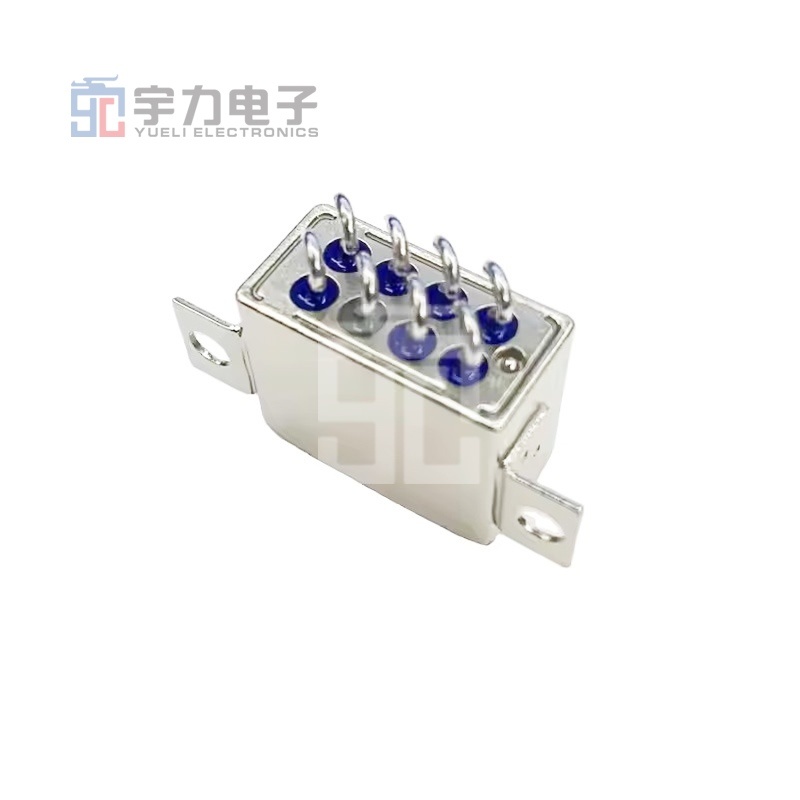
Signal relays are electromagnetic switches designed to control circuits by opening or closing a connection in response to an electrical signal. They are integral components in various applications, ranging from simple home automation systems to complex industrial machinery. The primary function of a signal relay is to enable a low-power control signal to manage a higher power circuit, thereby enhancing safety and efficiency in electrical systems.
One key aspect of signal relays is their ability to isolate different sections of a circuit. When a relay is activated, it allows the electrical signal to pass through without direct electrical connection between the control side and the load side. This isolation is vital to prevent damage to sensitive components from high-voltage or high-current pathways, making signal relays an indispensable choice for protecting delicate electronic devices.
In addition to isolation, signal relays are also noted for their versatility. They come in various configurations such as normally open (NO) and normally closed (NC) types, allowing engineers to select the appropriate relay for their specific needs. For example, normally open relays are ideal for applications that require a circuit to remain off until activated, while normally closed relays are suitable for circuits that should remain on until a signal is received.
Another important consideration when selecting signal relays is their switching capacity, which refers to the maximum current and voltage that the relay can handle. Choosing the right relay involves understanding the requirements of the application, including the load characteristics and the environment in which the relay will operate. Factors such as temperature, humidity, and potential exposure to electrical noise should also be taken into account to ensure reliable performance.
Signal relays can also be designed with various features to enhance functionality, such as built-in protection mechanisms like diodes for back EMF suppression, which safeguard the relay and the circuit from voltage spikes. These enhancements can significantly prolong the lifespan of the relay and improve overall system reliability.
In summary, signal relays are vital components that facilitate efficient and safe electronic communication across a variety of applications. Their ability to isolate circuits, versatility in design, and options for enhanced protection make them a preferred choice among engineers and designers. Understanding the characteristics and functionalities of signal relays can greatly aid professionals in selecting the right components for their specific electronic systems, ensuring optimal performance and reliability.
One key aspect of signal relays is their ability to isolate different sections of a circuit. When a relay is activated, it allows the electrical signal to pass through without direct electrical connection between the control side and the load side. This isolation is vital to prevent damage to sensitive components from high-voltage or high-current pathways, making signal relays an indispensable choice for protecting delicate electronic devices.
In addition to isolation, signal relays are also noted for their versatility. They come in various configurations such as normally open (NO) and normally closed (NC) types, allowing engineers to select the appropriate relay for their specific needs. For example, normally open relays are ideal for applications that require a circuit to remain off until activated, while normally closed relays are suitable for circuits that should remain on until a signal is received.
Another important consideration when selecting signal relays is their switching capacity, which refers to the maximum current and voltage that the relay can handle. Choosing the right relay involves understanding the requirements of the application, including the load characteristics and the environment in which the relay will operate. Factors such as temperature, humidity, and potential exposure to electrical noise should also be taken into account to ensure reliable performance.
Signal relays can also be designed with various features to enhance functionality, such as built-in protection mechanisms like diodes for back EMF suppression, which safeguard the relay and the circuit from voltage spikes. These enhancements can significantly prolong the lifespan of the relay and improve overall system reliability.
In summary, signal relays are vital components that facilitate efficient and safe electronic communication across a variety of applications. Their ability to isolate circuits, versatility in design, and options for enhanced protection make them a preferred choice among engineers and designers. Understanding the characteristics and functionalities of signal relays can greatly aid professionals in selecting the right components for their specific electronic systems, ensuring optimal performance and reliability.
Previous:
Xi'an Yuli Electronic Technology Co., Ltd.
Whats App:+8618122061211

Message consultation
Note: Please leave your contact information and our professionals will contact you as soon as possible!