Welcome to the official website of Xi'an Yuli Electronic Technology Co., Ltd.


Understanding DC Contactors: Essential Components in Electronic Circuitry
2025-09-11
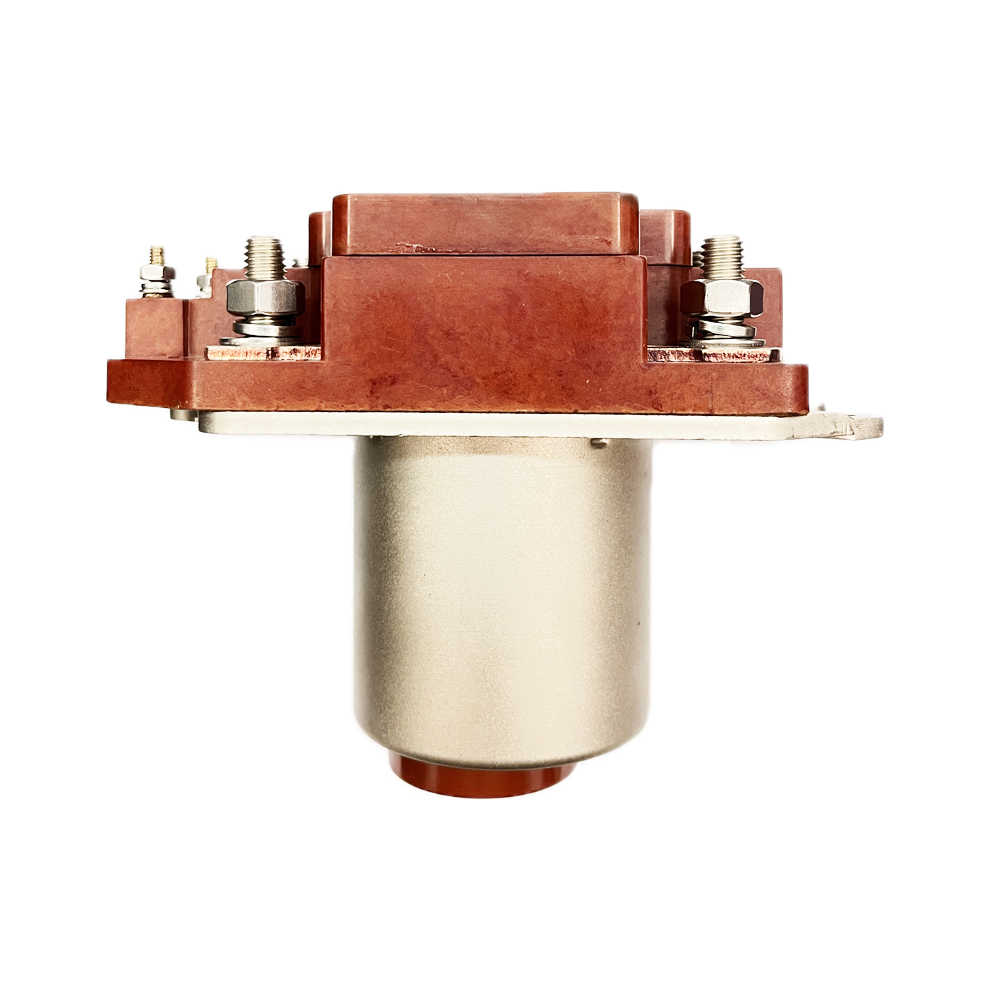
DC contactors are electromagnetic switches designed to control high-power electrical circuits, specifically in direct current (DC) applications. They are widely used in various industrial and commercial settings to manage the flow of electricity to motors, lights, and other equipment. Unlike AC contactors, which are optimized for alternating current, DC contactors are engineered to handle the unique challenges associated with direct current, such as arcing and contact wear.
One of the primary functions of a DC contactor is to open or close an electrical circuit. When energized, the coil within the contactor creates a magnetic field that pulls the contact points together, allowing current to flow. When the coil is de-energized, the magnetic field collapses, and the contacts separate, interrupting the circuit. This mechanism allows for safe and efficient control of high-voltage DC loads.
Several key features make DC contactors suitable for their applications. First, they are designed to minimize contact bounce, which can occur when contacts rapidly close and open. This ensures a stable connection and reduces wear on the contacts. Additionally, DC contactors often incorporate arc suppression techniques to mitigate damage caused by electrical arcing during the opening process. These features extend the lifespan of the contactors and improve reliability in critical applications.
DC contactors find applications across a wide range of industries. In the automotive sector, they are commonly used in electric vehicles to manage battery connections and motor controls. In renewable energy systems, such as solar power installations, DC contactors control the flow of electricity from solar panels to inverters. They are also employed in industrial automation, helping to control machinery and equipment in manufacturing processes.
When selecting a DC contactor for a specific application, it is essential to consider several factors. The voltage and current ratings must align with the system requirements to ensure safe operation. Proper sizing is crucial; an undersized contactor may overheat and fail, while an oversized contactor can lead to inefficient energy use and increased wear. Additionally, environmental factors such as temperature, humidity, and exposure to dust or chemicals should also be taken into account to ensure optimal performance.
In conclusion, DC contactors are vital components in electronic circuitry, serving an essential function in controlling direct current applications. Their design and functionality make them indispensable across various industries, and understanding their features and applications can significantly enhance their effective use in real-world scenarios. Whether in automotive, renewable energy, or industrial automation, DC contactors remain a cornerstone of modern electrical control systems.
One of the primary functions of a DC contactor is to open or close an electrical circuit. When energized, the coil within the contactor creates a magnetic field that pulls the contact points together, allowing current to flow. When the coil is de-energized, the magnetic field collapses, and the contacts separate, interrupting the circuit. This mechanism allows for safe and efficient control of high-voltage DC loads.
Several key features make DC contactors suitable for their applications. First, they are designed to minimize contact bounce, which can occur when contacts rapidly close and open. This ensures a stable connection and reduces wear on the contacts. Additionally, DC contactors often incorporate arc suppression techniques to mitigate damage caused by electrical arcing during the opening process. These features extend the lifespan of the contactors and improve reliability in critical applications.
DC contactors find applications across a wide range of industries. In the automotive sector, they are commonly used in electric vehicles to manage battery connections and motor controls. In renewable energy systems, such as solar power installations, DC contactors control the flow of electricity from solar panels to inverters. They are also employed in industrial automation, helping to control machinery and equipment in manufacturing processes.
When selecting a DC contactor for a specific application, it is essential to consider several factors. The voltage and current ratings must align with the system requirements to ensure safe operation. Proper sizing is crucial; an undersized contactor may overheat and fail, while an oversized contactor can lead to inefficient energy use and increased wear. Additionally, environmental factors such as temperature, humidity, and exposure to dust or chemicals should also be taken into account to ensure optimal performance.
In conclusion, DC contactors are vital components in electronic circuitry, serving an essential function in controlling direct current applications. Their design and functionality make them indispensable across various industries, and understanding their features and applications can significantly enhance their effective use in real-world scenarios. Whether in automotive, renewable energy, or industrial automation, DC contactors remain a cornerstone of modern electrical control systems.
Xi'an Yuli Electronic Technology Co., Ltd.
Whats App:+8618122061211

Message consultation
Note: Please leave your contact information and our professionals will contact you as soon as possible!