Welcome to the official website of Xi'an Yuli Electronic Technology Co., Ltd.


The Essential Guide to Sealed Relays: Understanding Their Importance and Applications
2025-09-11
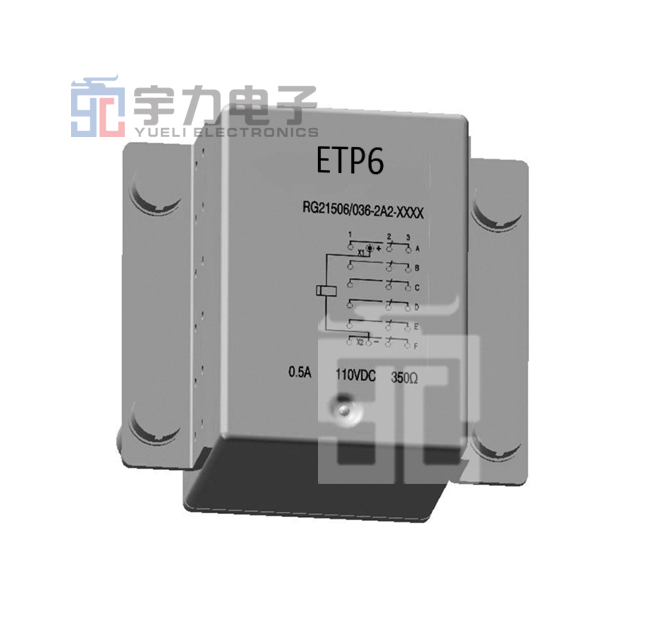
Sealed relays are specialized electromechanical devices designed to control high-power circuits using low-power signals. What sets them apart from standard relays is their hermetically sealed construction, which protects the internal components from environmental factors such as dust, moisture, and corrosive gases. This ensures reliable performance in challenging conditions and enhances the longevity of the relay.
One of the primary advantages of sealed relays is their ability to operate in extreme environments. Whether in industrial settings, automotive applications, or outdoor electronic devices, sealed relays can withstand temperature fluctuations, humidity, and other harsh conditions that would typically compromise unsealed components. This ruggedness makes them an ideal choice for applications requiring high reliability and durability.
In terms of operation, sealed relays function similarly to traditional relays. When an electric current flows through the coil, it generates a magnetic field that pulls the armature, closing or opening the circuit connected to the relay's contacts. This mechanism allows for the control of larger currents and voltages, making sealed relays essential in applications where safety and performance are critical.
Sealed relays find numerous applications across various industries. For instance, in the automotive sector, they are commonly used in lighting systems, ignition controls, and power distribution systems due to their reliability and compact size. In industrial automation, they play a crucial role in controlling motors, pumps, and other machinery. Additionally, sealed relays are used in telecommunications and HVAC systems, where consistent performance is essential.
When selecting a sealed relay, it is important to consider several factors, including the relay's voltage and current ratings, coil resistance, and switching capacity. Understanding the specific requirements of your application will help you choose the right relay to ensure optimal performance and safety.
Furthermore, the design of sealed relays can vary, with options including different contact configurations and sizes. Familiarizing yourself with these variations will aid in selecting the best fit for your needs.
In conclusion, sealed relays are indispensable components in many electronic systems, providing robust performance and reliability in various applications. Their sealed nature protects them from environmental hazards, making them a preferred choice for applications demanding durability and consistent operation. Whether for industrial, automotive, or consumer electronics, understanding the role and functionality of sealed relays is vital for anyone involved in the design and implementation of electronic systems.
One of the primary advantages of sealed relays is their ability to operate in extreme environments. Whether in industrial settings, automotive applications, or outdoor electronic devices, sealed relays can withstand temperature fluctuations, humidity, and other harsh conditions that would typically compromise unsealed components. This ruggedness makes them an ideal choice for applications requiring high reliability and durability.
In terms of operation, sealed relays function similarly to traditional relays. When an electric current flows through the coil, it generates a magnetic field that pulls the armature, closing or opening the circuit connected to the relay's contacts. This mechanism allows for the control of larger currents and voltages, making sealed relays essential in applications where safety and performance are critical.
Sealed relays find numerous applications across various industries. For instance, in the automotive sector, they are commonly used in lighting systems, ignition controls, and power distribution systems due to their reliability and compact size. In industrial automation, they play a crucial role in controlling motors, pumps, and other machinery. Additionally, sealed relays are used in telecommunications and HVAC systems, where consistent performance is essential.
When selecting a sealed relay, it is important to consider several factors, including the relay's voltage and current ratings, coil resistance, and switching capacity. Understanding the specific requirements of your application will help you choose the right relay to ensure optimal performance and safety.
Furthermore, the design of sealed relays can vary, with options including different contact configurations and sizes. Familiarizing yourself with these variations will aid in selecting the best fit for your needs.
In conclusion, sealed relays are indispensable components in many electronic systems, providing robust performance and reliability in various applications. Their sealed nature protects them from environmental hazards, making them a preferred choice for applications demanding durability and consistent operation. Whether for industrial, automotive, or consumer electronics, understanding the role and functionality of sealed relays is vital for anyone involved in the design and implementation of electronic systems.
Xi'an Yuli Electronic Technology Co., Ltd.
Whats App:+8618122061211

Message consultation
Note: Please leave your contact information and our professionals will contact you as soon as possible!