Welcome to the official website of Xi'an Yuli Electronic Technology Co., Ltd.


Polarized Relays vs. Standard Relays: Which is Right for You?
2025-09-12
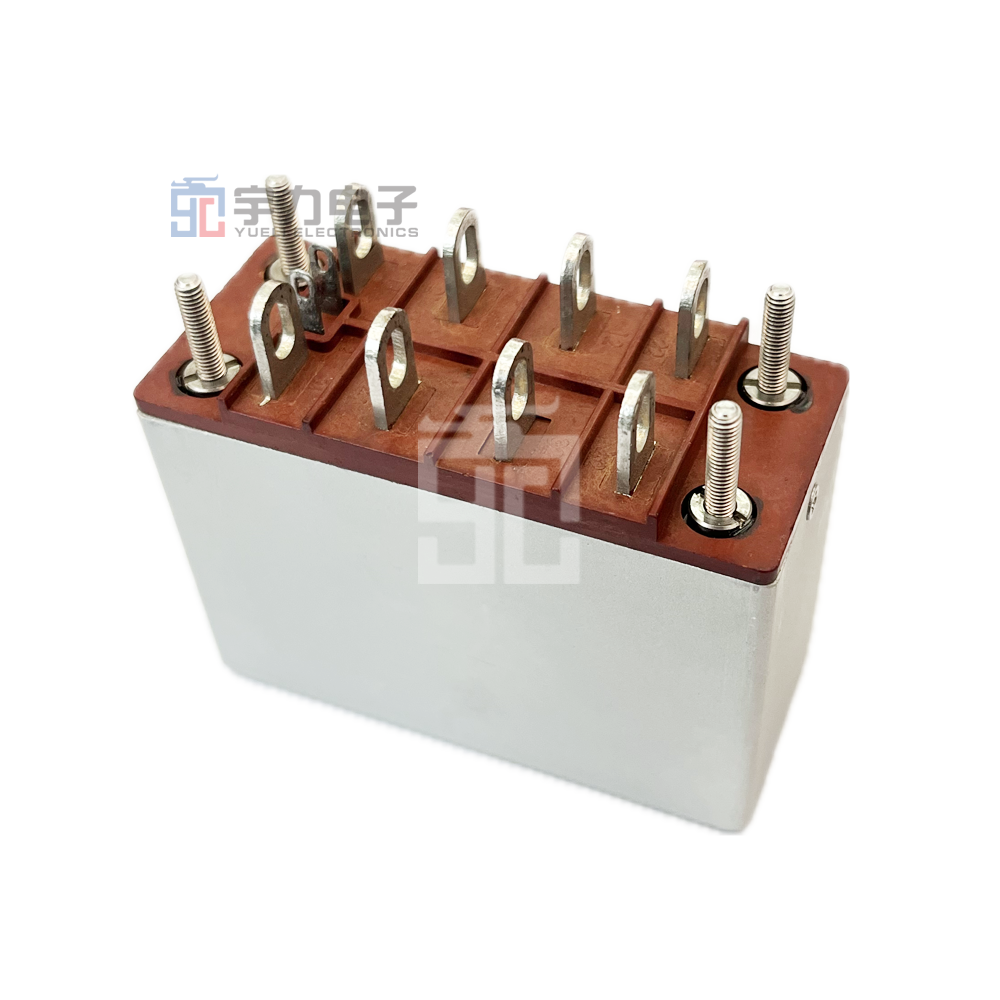
Polarized Relays vs. Standard Relays: Which is Right for You?
Table of Contents
- 1. Introduction to Relays
- 2. Understanding Relays: Functions and Importance
- 3. What are Polarized Relays?
- 4. What are Standard Relays?
- 5. Key Differences Between Polarized and Standard Relays
- 6. Advantages of Polarized Relays
- 7. Advantages of Standard Relays
- 8. Applications of Polarized and Standard Relays
- 9. How to Choose the Right Relay for Your Project
- 10. Frequently Asked Questions (FAQs)
- 11. Conclusion
1. Introduction to Relays
Relays are essential components in modern electronics, acting as switches that control the flow of electricity in circuits. Understanding the differences between various types of relays, such as polarized and standard relays, is crucial for selecting the appropriate component for specific applications. In this article, we will delve into the distinctions, advantages, and use cases of polarized and standard relays, equipping you with the knowledge to make informed decisions.
2. Understanding Relays: Functions and Importance
Relays are electromagnetic switches that open or close circuits in response to an electrical signal. They play a vital role in controlling larger loads with smaller control signals, making them indispensable in various applications, including automotive systems, industrial automation, and consumer electronics. By isolating different sections of a circuit, relays enhance safety and functionality, allowing for versatile designs.
3. What are Polarized Relays?
Polarized relays are a specialized type of relay that requires a specific polarity of voltage to operate. They typically include a coil and a magnetic armature. When the correct voltage is applied, the magnetic field generates a force that moves the armature to either open or close the circuit. The key feature of polarized relays is their ability to maintain their position even after the control voltage is removed, thanks to the magnetic polarization.
4. What are Standard Relays?
Standard relays, often referred to as non-polarized relays, do not require a specific polarity for operation. They operate on the principle of electromagnetic induction, where a fluctuating current in the coil creates a magnetic field that actuates the armature to switch the circuit. Standard relays can be used in a wide range of applications due to their flexibility and ease of use, without the constraints of polarity.
5. Key Differences Between Polarized and Standard Relays
Understanding the differences between polarized and standard relays can help determine the best choice for your application. Here are the primary distinctions:
5.1 Polarity Requirements
Polarized relays require a specific voltage polarity to function, while standard relays can operate with any voltage polarity.
5.2 Holding Mechanism
Once activated, polarized relays maintain their state without continuous power, whereas standard relays return to their default position when the power is off.
5.3 Response Time
Polarized relays generally have a slower response time compared to standard relays due to their magnetic retention feature.
5.4 Application Scope
Polarized relays are ideal for applications requiring latching functions, while standard relays are more versatile and suitable for applications requiring frequent cycling.
6. Advantages of Polarized Relays
Polarized relays offer several advantages that make them an appealing choice for specific applications:
6.1 Energy Efficiency
Since polarized relays hold their state without continuous power, they can significantly reduce energy consumption in applications where the relay remains in a single state for extended periods.
6.2 Reliability
The magnetic latching mechanism of polarized relays enhances reliability by reducing the wear and tear on the coil and contacts, making them ideal for long-term applications.
6.3 Compact Design
The compact design of polarized relays can save space in electronic devices, allowing for more streamlined layouts and increased design flexibility.
7. Advantages of Standard Relays
Standard relays also possess unique advantages that make them suitable for a variety of applications:
7.1 Versatility
Standard relays can handle a wide range of load types and are adaptable to multiple circuit configurations, making them a go-to option for many engineering projects.
7.2 Faster Switching Speed
With quicker response times, standard relays are ideal for applications requiring rapid switching, such as in automation and control systems.
7.3 Cost-Effectiveness
Standard relays tend to be more affordable than their polarized counterparts, making them a cost-effective choice for projects with budget constraints.
8. Applications of Polarized and Standard Relays
Both polarized and standard relays serve vital roles across various industries. Here are some common applications:
8.1 Polarized Relay Applications
- **Latching circuits in alarm systems**
- **Memory circuits in digital electronics**
- **Control circuits requiring low power consumption**
8.2 Standard Relay Applications
- **Industrial automation systems**
- **Automotive applications for controlling various functions**
- **Home appliances and consumer electronics**
9. How to Choose the Right Relay for Your Project
Choosing the right relay depends on several factors:
9.1 Determine the Operation Type
Evaluate whether your application requires a latching function or standard switching.
9.2 Assess Voltage and Current Requirements
Consider the specifications of the circuit, including voltage, current capacity, and load type.
9.3 Evaluate Response Time and Switching Frequency
For applications requiring rapid switching, standard relays may be more suitable, while polarized relays are better for energy-saving latching functions.
9.4 Budget Considerations
Factor in the cost of the relay and any additional components needed for integration.
10. Frequently Asked Questions (FAQs)
10.1 Can I use a standard relay in place of a polarized relay?
While it is possible, doing so may not provide the desired functionality, especially if a latching effect is needed.
10.2 How do I maintain my relays?
Regular inspections for wear and corrosion, along with ensuring proper voltage supply, can help maintain relay longevity.
10.3 Are polarized relays more energy-efficient than standard relays?
Yes, polarized relays typically require less energy to maintain their state, making them more energy-efficient in certain applications.
10.4 What safety precautions should I consider when working with relays?
Always ensure the relay is rated for the circuit's voltage and current, and follow proper grounding practices to prevent electrical hazards.
10.5 What factors affect relay performance?
Relay performance can be influenced by temperature, voltage levels, and load characteristics, among other factors.
11. Conclusion
In summary, understanding the differences between polarized and standard relays is critical in selecting the appropriate relay for your specific applications. Polarized relays excel in energy efficiency and reliability, making them perfect for latching applications, while standard relays provide versatility and faster switching capabilities ideal for various automation tasks. By carefully assessing your project requirements and considering the advantages of each relay type, you can ensure optimal performance and longevity in your electronic designs.
Xi'an Yuli Electronic Technology Co., Ltd.
Whats App:+8618122061211

Message consultation
Note: Please leave your contact information and our professionals will contact you as soon as possible!