Welcome to the official website of Xi'an Yuli Electronic Technology Co., Ltd.


Understanding DC Contactors: Essential Components for Efficient Circuit Control
2025-09-13
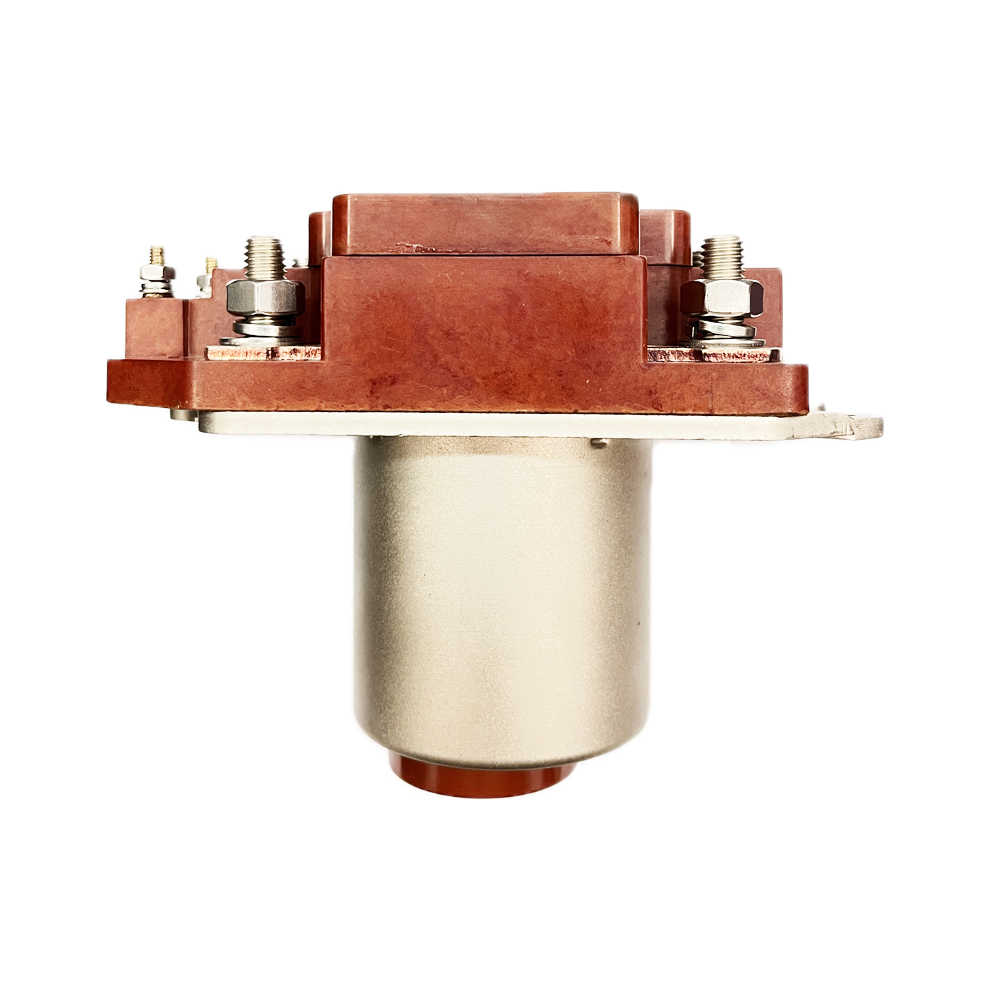
DC contactors are crucial components in electrical control systems, particularly for applications involving direct current (DC) circuits. These devices serve as electrically controlled switches, allowing or interrupting the flow of current to various loads. Understanding their operation, advantages, and applications is essential for professionals working with electronic components and systems.
A DC contactor functions by using an electromagnetic coil to create a magnetic field that closes or opens the contacts. When voltage is applied to the coil, the magnetic field activates, drawing the movable armature towards the fixed contacts. This action either connects or disconnects the circuit, enabling precise control over the current flow. The design of DC contactors is typically robust, featuring materials that can handle high inrush currents and fast switching operations, making them ideal for applications such as motor control, lighting, and battery management systems.
One of the notable advantages of DC contactors is their ability to handle high currents with minimal contact wear. Unlike AC contactors, which face complications due to the zero-crossing points of alternating current, DC contactors are designed to operate smoothly without these interruptions. As a result, they can maintain longer life spans and reduced maintenance needs in DC applications. Additionally, DC contactors are generally equipped with arc suppression mechanisms to manage the sparks generated during switching, thus enhancing safety and reliability.
DC contactors find applications across various industries, including renewable energy systems, electric vehicles, and industrial automation. In solar energy installations, for instance, DC contactors are used to connect and disconnect solar panels from inverters, ensuring safe operation and maintenance. Similarly, in electric vehicles, they play a vital role in managing the power distribution from batteries to electric motors.
When selecting a DC contactor, professionals should consider several factors, including voltage ratings, current ratings, coil specifications, and the type of load being controlled. Proper sizing is essential to prevent overheating and ensure efficient operation. Furthermore, understanding the electrical characteristics of the application helps in selecting the right contactor that aligns with the specific requirements, enhancing system stability and performance.
In conclusion, DC contactors are integral to the effective management of DC electrical systems. Their unique design and operational advantages make them suitable for various applications, from industrial machinery to renewable energy solutions. For professionals in the electronics industry, a thorough understanding of DC contactors can lead to improved system designs and enhanced reliability in electrical control applications.
A DC contactor functions by using an electromagnetic coil to create a magnetic field that closes or opens the contacts. When voltage is applied to the coil, the magnetic field activates, drawing the movable armature towards the fixed contacts. This action either connects or disconnects the circuit, enabling precise control over the current flow. The design of DC contactors is typically robust, featuring materials that can handle high inrush currents and fast switching operations, making them ideal for applications such as motor control, lighting, and battery management systems.
One of the notable advantages of DC contactors is their ability to handle high currents with minimal contact wear. Unlike AC contactors, which face complications due to the zero-crossing points of alternating current, DC contactors are designed to operate smoothly without these interruptions. As a result, they can maintain longer life spans and reduced maintenance needs in DC applications. Additionally, DC contactors are generally equipped with arc suppression mechanisms to manage the sparks generated during switching, thus enhancing safety and reliability.
DC contactors find applications across various industries, including renewable energy systems, electric vehicles, and industrial automation. In solar energy installations, for instance, DC contactors are used to connect and disconnect solar panels from inverters, ensuring safe operation and maintenance. Similarly, in electric vehicles, they play a vital role in managing the power distribution from batteries to electric motors.
When selecting a DC contactor, professionals should consider several factors, including voltage ratings, current ratings, coil specifications, and the type of load being controlled. Proper sizing is essential to prevent overheating and ensure efficient operation. Furthermore, understanding the electrical characteristics of the application helps in selecting the right contactor that aligns with the specific requirements, enhancing system stability and performance.
In conclusion, DC contactors are integral to the effective management of DC electrical systems. Their unique design and operational advantages make them suitable for various applications, from industrial machinery to renewable energy solutions. For professionals in the electronics industry, a thorough understanding of DC contactors can lead to improved system designs and enhanced reliability in electrical control applications.
Xi'an Yuli Electronic Technology Co., Ltd.
Whats App:+8618122061211

Message consultation
Note: Please leave your contact information and our professionals will contact you as soon as possible!