Welcome to the official website of Xi'an Yuli Electronic Technology Co., Ltd.


Why Your Industrial Equipment Needs a Reliable Three Phase Contactor
2025-09-14
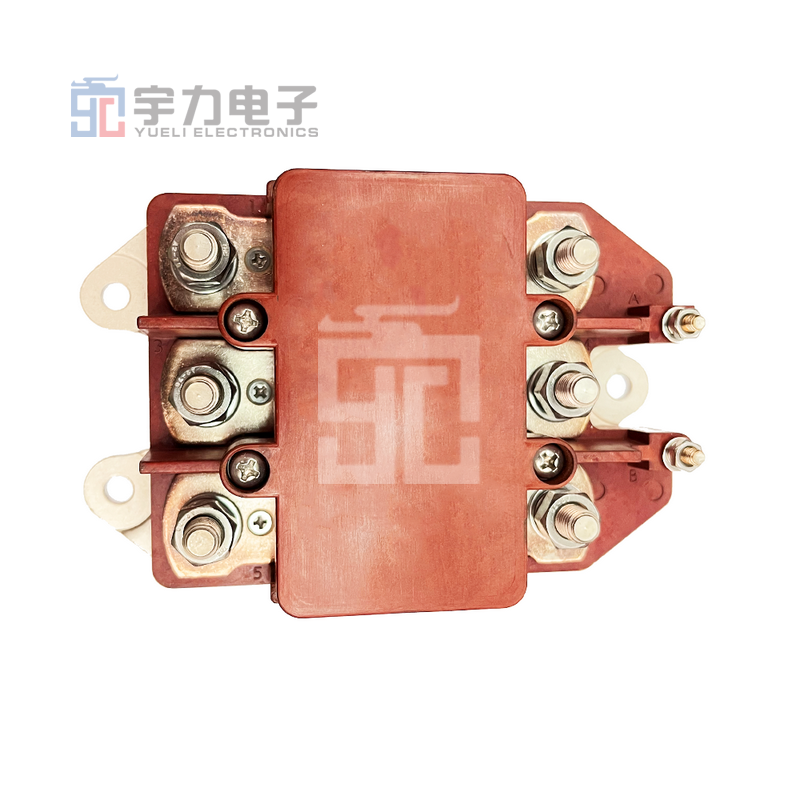
Why Your Industrial Equipment Needs a Reliable Three Phase Contactor
Table of Contents
- 1. Introduction to Three Phase Contactors
- 2. Understanding Three Phase Contactors
- 3. The Importance of Reliable Contactors in Industrial Equipment
- 4. Benefits of Using Three Phase Contactors
- 5. How to Choose the Right Contactors for Your Equipment
- 6. Installing Three Phase Contactors: Best Practices
- 7. Maintaining Your Three Phase Contactors
- 8. Common Questions About Three Phase Contactors
- 9. Conclusion
1. Introduction to Three Phase Contactors
In the realm of industrial operations, efficiency, reliability, and safety are paramount. One crucial component that underpins these factors is the **three-phase contactor**. These electrical devices serve as switches for high voltage applications, enabling the control of large motors, lighting systems, and various equipment. As industries seek to optimize their operations, understanding the role and significance of reliable three-phase contactors becomes increasingly vital.
2. Understanding Three Phase Contactors
Three-phase contactors are electrically controlled switches that facilitate the connection and disconnection of three-phase electrical power. Primarily employed in industrial and commercial applications, these devices help manage the flow of electricity to motors and other high-powered equipment.
What is a Three Phase Contactor?
A three-phase contactor consists of an electromechanical mechanism that connects or disconnects electrical circuits. It operates through electromagnetic principles, where a coil generates a magnetic field to pull in the contacts, closing the circuit. Once the current is cut off, a spring mechanism opens the contacts, breaking the circuit.
How Do Three Phase Contactors Work?
The operation of three-phase contactors involves several components:
- **Coil**: When energized, the coil creates a magnetic field.
- **Contacts**: These are metal pieces that open and close the electrical circuit.
- **Spring**: This component returns the contacts to their open position when the coil is de-energized.
When the coil receives power, it activates the contactor, allowing electricity to flow through the connected load. Conversely, when de-energized, the contacts open, stopping the flow of electricity.
3. The Importance of Reliable Contactors in Industrial Equipment
Reliability in industrial equipment is non-negotiable. A failure in any component, especially contactors, can lead to significant downtime, costly repairs, and potential safety hazards. Here's why investing in reliable three-phase contactors is imperative.
Enhanced Safety Standards
Reliability directly correlates with safety. A malfunctioning contactor can cause overheating, short circuits, or even fires. Reliable contactors feature advanced safety mechanisms, such as overload protection and fault detection, ensuring industrial processes remain safe.
Operational Efficiency
Reliable three-phase contactors contribute to smooth operations. They minimize the risk of unexpected breakdowns, enhance energy efficiency, and maintain the performance of connected equipment. This consistency translates to higher productivity and reduced operational costs.
Longevity of Equipment
Quality contactors are designed for durability. By choosing reliable options, businesses can extend the lifespan of their equipment, ensuring that motors and other machinery perform optimally for years. This not only preserves capital investments but also reduces the frequency of replacements.
4. Benefits of Using Three Phase Contactors
The advantages of implementing reliable three-phase contactors in your industrial setup are manifold.
1. Load Control
Three-phase contactors provide effective load control, managing high-power applications seamlessly. They can switch large motors on and off, allowing for dynamic adjustments in industrial processes.
2. Energy Efficiency
With reliable contactors, energy consumption can be closely monitored. This efficiency not only reduces operational costs but also aligns with sustainability goals, helping industries reduce their carbon footprint.
3. Versatility
Three-phase contactors are versatile and can be used across various applications, from HVAC systems to manufacturing equipment. Their adaptability makes them a staple in numerous industrial sectors.
4. Remote Control Capabilities
Modern three-phase contactors can often be integrated into automated control systems, allowing for remote operation. This feature enhances convenience and efficiency, enabling operators to manage processes from afar.
5. Easy Maintenance
Reliable three-phase contactors simplify maintenance routines. With durable components and built-in diagnostics, operators can quickly identify issues, reducing downtime and maintenance costs.
5. How to Choose the Right Contactors for Your Equipment
Selecting the appropriate three-phase contactor requires careful consideration of several factors.
1. Voltage Ratings
Ensure that the contactor's voltage rating matches the voltage of your equipment. This specification is crucial for safe and effective operation.
2. Current Ratings
Choose a contactor with a current rating suitable for the load it will manage. Underestimating current requirements can lead to contactor failure and equipment damage.
3. Type of Load
Consider the type of load the contactor will control. Inductive loads, such as motors, require different specifications compared to resistive loads, affecting the choice of contactor.
4. Environmental Considerations
Evaluate the operating environment. Factors like temperature, humidity, and exposure to dust or chemicals can influence the choice of contactor type and enclosure rating.
5. Manufacturer Reputation
Select contactors from reputable manufacturers known for quality and reliability. A trusted brand typically ensures better performance and longevity.
6. Installing Three Phase Contactors: Best Practices
Proper installation is crucial for the efficiency and safety of three-phase contactors. Follow these best practices for optimal results.
1. Review Technical Specifications
Before installation, review the technical specifications to ensure compatibility with your system.
2. Ensure Proper Wiring
Follow wiring diagrams meticulously to ensure that connections are correct. Improper wiring can lead to malfunctions and safety hazards.
3. Use Appropriate Tools
Utilize the right tools for installation. This includes insulated tools to prevent accidental electrocution.
4. Test Functionality
After installation, conduct thorough testing to ensure that the contactor operates correctly under load conditions.
7. Maintaining Your Three Phase Contactors
Regular maintenance of three-phase contactors is essential to ensure their longevity and reliability.
1. Routine Inspections
Conduct routine inspections to identify signs of wear, corrosion, or damage. Early detection can prevent costly failures.
2. Clean Contacts Regularly
Dirty contacts can affect performance. Regular cleaning of contacts ensures optimal conductivity and reduces resistance.
3. Monitor Operating Conditions
Keep track of operating conditions, including temperature and load variations. Adjustments may be necessary to align with equipment requirements.
4. Schedule Professional Maintenance
Consider scheduling professional maintenance at regular intervals. Experts can conduct comprehensive checks and address potential issues.
8. Common Questions About Three Phase Contactors
1. What are the key differences between single-phase and three-phase contactors?
Three-phase contactors manage three-phase power systems, while single-phase contactors handle single-phase circuits. Three-phase systems offer greater efficiency and power handling capabilities.
2. How do I know if my contactor is faulty?
Signs of a faulty contactor include inconsistent operation, burning smells, unusual noise, and visible damage. Regular inspections can help identify these issues early.
3. Can I replace a three-phase contactor with a single-phase one?
No, replacing a three-phase contactor with a single-phase one is not advisable. The power requirements and operational characteristics differ significantly.
4. What is the lifespan of a three-phase contactor?
The lifespan of a three-phase contactor varies depending on usage, quality, and maintenance but typically ranges from 10 to 20 years.
5. Are there energy-efficient options available?
Yes, many manufacturers offer energy-efficient three-phase contactors designed to minimize power losses and improve overall system performance.
9. Conclusion
Investing in a reliable three-phase contactor is essential for any industrial operation. Their role in enhancing safety, operational efficiency, and equipment longevity cannot be understated. By understanding the importance of these devices and adhering to best practices for selection, installation, and maintenance, businesses can significantly improve their industrial processes. As industries continue to evolve, ensuring that your equipment has the best components in place will be a key factor in achieving operational excellence.
Previous:
Xi'an Yuli Electronic Technology Co., Ltd.
Whats App:+8618122061211

Message consultation
Note: Please leave your contact information and our professionals will contact you as soon as possible!