Welcome to the official website of Xi'an Yuli Electronic Technology Co., Ltd.


The Essential Guide to DC Contactors: Understanding Their Role in Electronic Components
2025-09-17
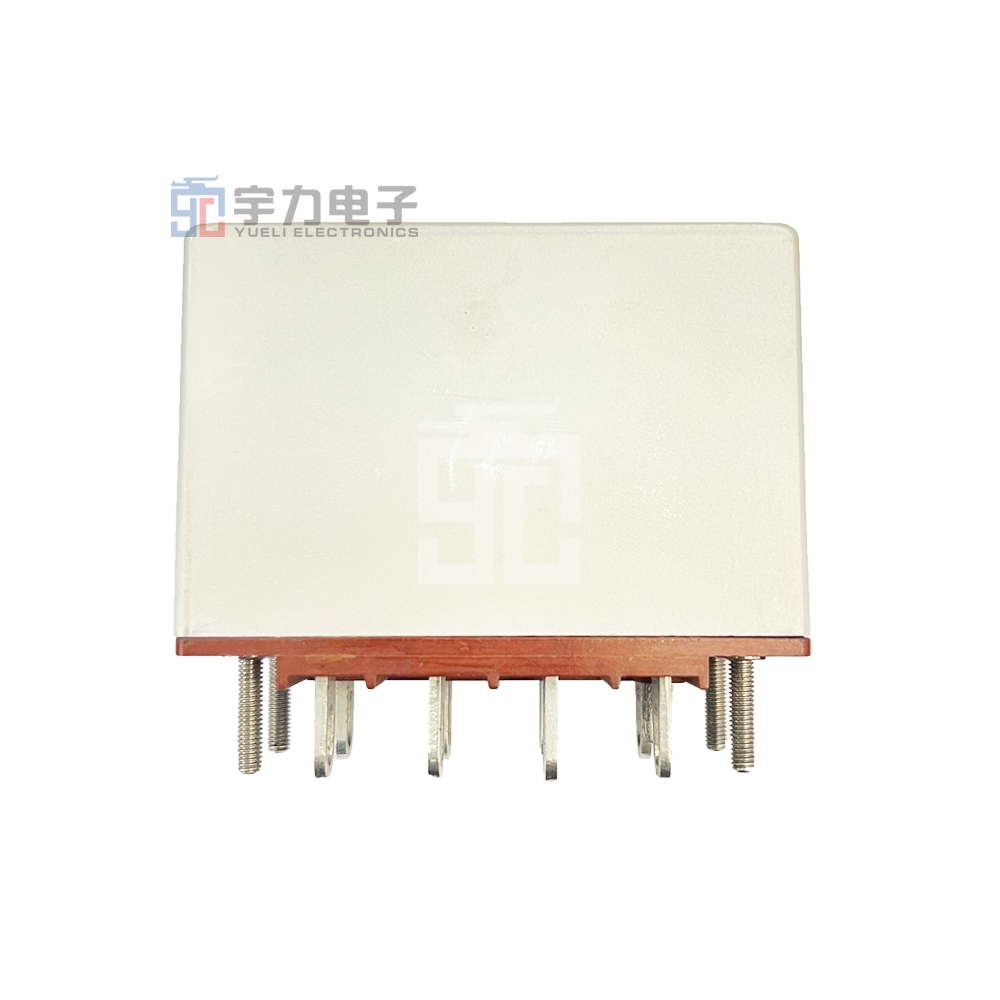
DC contactors are vital components in various electronic applications, serving as electromechanical switches designed to control high voltage and current circuits. These devices are essential in applications where the switching of DC loads is required, such as in automotive, industrial automation, and renewable energy systems. Understanding the functionality and characteristics of DC contactors is crucial for professionals working with electronic components.
At their core, DC contactors operate by using an electromagnet to open or close a set of contacts. When the coil is energized, it generates a magnetic field that attracts a movable armature, thereby closing the contacts and allowing current to flow. Conversely, when the coil is de-energized, the magnetic field collapses, and a spring mechanism returns the armature to its original position, opening the contacts and interrupting the current flow. This simple yet effective mechanism allows for reliable switching of DC circuits.
One important aspect to consider when selecting DC contactors is their current and voltage ratings. These ratings define the maximum load the contactor can handle without risk of damage or failure. It is crucial to ensure that the contactor is rated appropriately for the specific application to prevent overheating, arcing, or premature wear of the contacts. Additionally, contactors come with different coil voltage specifications, and choosing the right voltage is essential for proper operation.
Another key factor to consider is the contact configuration. DC contactors can be designed with normally open (NO) or normally closed (NC) contacts, depending on the application requirements. NO contacts are typically used for applications where current should flow only when the contactor is energized, while NC contacts are utilized when a circuit should remain closed until the contactor is activated. Understanding these configurations aids in selecting the right contactor for your specific application.
Furthermore, the materials used in the construction of DC contactors play a significant role in their performance and longevity. Contacts are often made from materials like silver or gold alloys to ensure good conductivity and reduce wear. The choice of materials impacts the contactor's ability to handle inrush currents and its overall durability in harsh environments.
In conclusion, DC contactors are essential components in electronic systems that require reliable switching of DC loads. By understanding their operating principles, selection criteria, and the importance of materials, professionals can make informed decisions when implementing these devices in various applications. Whether in automotive systems or renewable energy setups, DC contactors provide the necessary functionality to ensure efficient and effective circuit control.
At their core, DC contactors operate by using an electromagnet to open or close a set of contacts. When the coil is energized, it generates a magnetic field that attracts a movable armature, thereby closing the contacts and allowing current to flow. Conversely, when the coil is de-energized, the magnetic field collapses, and a spring mechanism returns the armature to its original position, opening the contacts and interrupting the current flow. This simple yet effective mechanism allows for reliable switching of DC circuits.
One important aspect to consider when selecting DC contactors is their current and voltage ratings. These ratings define the maximum load the contactor can handle without risk of damage or failure. It is crucial to ensure that the contactor is rated appropriately for the specific application to prevent overheating, arcing, or premature wear of the contacts. Additionally, contactors come with different coil voltage specifications, and choosing the right voltage is essential for proper operation.
Another key factor to consider is the contact configuration. DC contactors can be designed with normally open (NO) or normally closed (NC) contacts, depending on the application requirements. NO contacts are typically used for applications where current should flow only when the contactor is energized, while NC contacts are utilized when a circuit should remain closed until the contactor is activated. Understanding these configurations aids in selecting the right contactor for your specific application.
Furthermore, the materials used in the construction of DC contactors play a significant role in their performance and longevity. Contacts are often made from materials like silver or gold alloys to ensure good conductivity and reduce wear. The choice of materials impacts the contactor's ability to handle inrush currents and its overall durability in harsh environments.
In conclusion, DC contactors are essential components in electronic systems that require reliable switching of DC loads. By understanding their operating principles, selection criteria, and the importance of materials, professionals can make informed decisions when implementing these devices in various applications. Whether in automotive systems or renewable energy setups, DC contactors provide the necessary functionality to ensure efficient and effective circuit control.
Xi'an Yuli Electronic Technology Co., Ltd.
Whats App:+8618122061211

Message consultation
Note: Please leave your contact information and our professionals will contact you as soon as possible!