Welcome to the official website of Xi'an Yuli Electronic Technology Co., Ltd.


Electromagnetic Relay Circuit Design: Tips and Techniques for Optimal Performance
2025-09-18
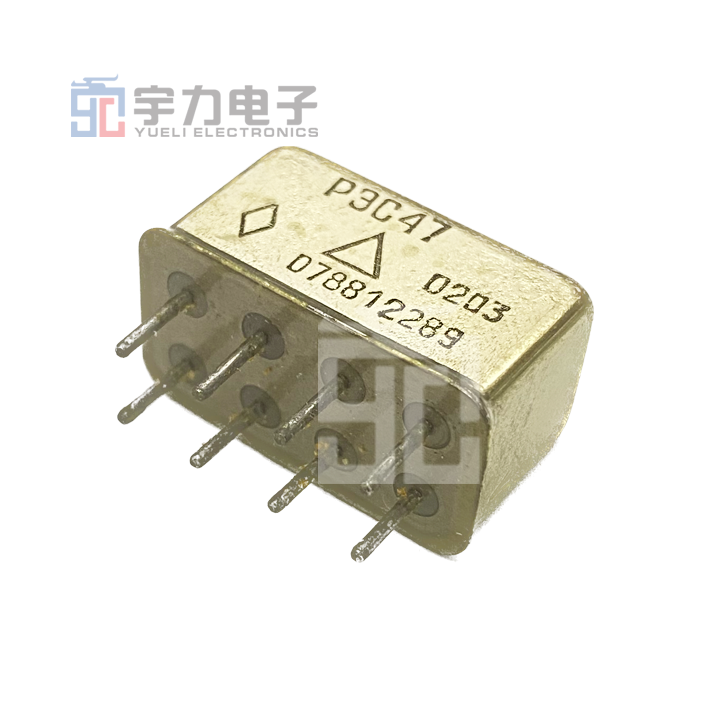
Electromagnetic Relay Circuit Design: Tips and Techniques for Optimal Performance
In today's rapidly evolving technological landscape, the significance of **electromagnetic relays** cannot be overstated. These devices play a crucial role in various applications including automation, control systems, and safety mechanisms. Understanding the intricacies of **electromagnetic relay circuit design** is vital for engineers and hobbyists who aim to create efficient and reliable circuits. This article aims to present a detailed overview of essential tips and techniques for effective electromagnetic relay circuit design, ensuring optimal performance in various applications.
Table of Contents
- 1. Understanding Electromagnetic Relays
- 2. Fundamental Principles of Circuit Design
- 3. Essential Components of Relay Circuits
- 4. Designing Relay Circuits: Step-by-Step Process
- 5. Common Applications of Electromagnetic Relays
- 6. Troubleshooting Relay Circuits
- 7. Advanced Techniques for Relay Design and Integration
- 8. Future Trends in Relay Technology
- 9. FAQs
- 10. Conclusion
1. Understanding Electromagnetic Relays
Before diving into the design aspects, it is essential to grasp what **electromagnetic relays** are. An electromagnetic relay is an electrically operated switch that uses an electromagnet to mechanically operate a switching mechanism. These devices are fundamental in controlling high-voltage circuits with low-voltage signals. The operation of an electromagnetic relay typically involves a coil, an armature, and contacts.
The Working Principle of Electromagnetic Relays
The working principle of electromagnetic relays is straightforward. When an electric current flows through the coil, it creates a magnetic field that attracts the armature. This movement either opens or closes the contacts, allowing or interrupting the flow of electricity in the circuit. Understanding this principle is crucial for designing effective relay circuits.
2. Fundamental Principles of Circuit Design
Creating a reliable electromagnetic relay circuit requires adherence to several fundamental principles. These principles help ensure that the circuit operates efficiently and safely.
Voltage and Current Ratings
Each relay has specified voltage and current ratings. Selecting a relay that can handle the required load without exceeding these ratings is critical to prevent failures and ensure longevity. Always refer to the relay's datasheet for detailed specifications.
Coil Resistance and Inductance
The resistance and inductance of the relay coil affect the amount of current drawn from the power supply. Designing the circuit with these parameters in mind can significantly influence performance. It is essential to calculate the required coil current based on the supply voltage and coil resistance to ensure proper operation.
3. Essential Components of Relay Circuits
A well-designed relay circuit comprises several essential components that work together seamlessly. Understanding these components is crucial for crafting effective circuits.
The Relay
The relay itself is the most critical component. Selecting the right type of relay, whether it is **single-pole double-throw (SPDT)** or **double-pole double-throw (DPDT)**, depends on the application requirements.
Diodes for Flyback Protection
When the relay coil is de-energized, the collapsing magnetic field can generate a back EMF that may damage other components in the circuit. Implementing a flyback diode in parallel with the coil protects the rest of the circuit from this voltage spike.
Power Supply
The power supply must match the voltage and current requirements of the relay coil. It is advisable to use a regulated power supply to maintain consistent voltage levels.
Control Circuit
The control circuit can vary greatly depending on the application. It can include microcontrollers, switches, or sensors that provide the necessary control signal to activate the relay.
4. Designing Relay Circuits: Step-by-Step Process
The design process for electromagnetic relay circuits involves several steps, ensuring a comprehensive approach to creating functional and reliable circuits.
Step 1: Define the Requirements
Before starting the design, define the functional requirements. Determine the load type, operational voltage, and current ratings needed for the relay to operate effectively.
Step 2: Select the Appropriate Relay
Choose a relay based on the defined requirements. Consider factors such as contact configuration, switching capacity, and coil voltage to ensure the selected relay meets the circuit's needs.
Step 3: Create the Circuit Diagram
Drafting a detailed circuit diagram is crucial. This diagram should include all components, connections, and their specifications. A clear circuit diagram aids in visualizing the design and assists during the assembly phase.
Step 4: Implement Protection Mechanisms
Incorporate necessary protection mechanisms, such as flyback diodes, fuses, or circuit breakers, to enhance the reliability of the circuit. Protection mechanisms prevent damage and ensure safe operation.
Step 5: Prototype and Test
Build a prototype of the circuit and conduct thorough testing. Evaluate the performance under various conditions and make necessary adjustments to ensure optimal functionality.
5. Common Applications of Electromagnetic Relays
Electromagnetic relays are utilized in various applications, reflecting their versatility and reliability.
Automation Systems
Relays are widely used in automation systems to control machinery and processes. They enable the switching of high-power devices using low-power signals.
Control Panels
In control panels, electromagnetic relays facilitate the operation of various electrical devices, ensuring precise control over functionalities.
Safety Mechanisms
Relays play a crucial role in safety mechanisms, such as emergency stop circuits, where they disconnect power in an unsafe condition.
Telecommunications
In telecommunications, relays are used for signal routing, enabling efficient communication across networks.
6. Troubleshooting Relay Circuits
Despite meticulous design, issues may arise. Here are some common troubleshooting techniques to identify and resolve problems in relay circuits.
Checking Voltage Levels
Use a multimeter to verify that the voltage levels across the relay coil match the specifications. Incorrect voltage can prevent the relay from operating correctly.
Inspecting Connections
Loose or corroded connections can lead to intermittent operation. Inspect all connections and solder joints to ensure reliability.
Testing the Relay
If issues persist, test the relay independently. Apply the rated voltage and check if the relay activates. If it does not, it may require replacement.
7. Advanced Techniques for Relay Design and Integration
For those looking to enhance their relay circuit designs, several advanced techniques can lead to improved performance and utility.
Using Solid-State Relays
Consider integrating solid-state relays (SSRs) for applications requiring faster switching times and reduced wear compared to traditional electromagnetic relays. SSRs enhance reliability and extend the lifespan of the circuit.
Implementing Microcontroller Control
Utilizing microcontrollers for relay control can lead to increased functionality. This allows for programmable features, such as timing, sequencing, and remote control capabilities.
Optimizing Layout for PCB Design
When designing printed circuit boards (PCBs) for relay circuits, optimize the layout to minimize interference and ensure efficient signal routing. Proper grounding and component placement are critical for reducing noise and improving performance.
8. Future Trends in Relay Technology
The field of relay technology is continually evolving. Understanding upcoming trends can provide insights for future designs.
Integration with IoT
The integration of relays with the Internet of Things (IoT) is on the rise. This allows for enhanced monitoring and control of systems remotely, creating smarter and more efficient applications.
Enhanced Smart Relays
Smart relays equipped with advanced features, such as real-time monitoring, diagnostics, and self-protection mechanisms, are becoming increasingly common. These innovations improve reliability and functionality in various applications.
9. FAQs
What is the primary function of an electromagnetic relay?
The primary function of an electromagnetic relay is to control high-power circuits using low-power signals. It acts as a switch that opens or closes based on an electrical signal.
How do I choose the right relay for my application?
Choose a relay based on the required voltage, current rating, and contact configuration. Refer to the datasheet for specifications to ensure compatibility with your application.
What precautions should I take when designing relay circuits?
Ensure proper voltage and current ratings, include protection mechanisms such as flyback diodes, and verify all connections during assembly to prevent failures.
Can I use an electromagnetic relay for high-frequency applications?
While electromagnetic relays can be used in high-frequency applications, their mechanical nature may limit performance. Consider solid-state relays for better efficiency in such cases.
What maintenance do electromagnetic relays require?
Regularly inspect connections for corrosion or wear, ensure that the relay is functioning correctly, and replace it if performance issues are detected.
10. Conclusion
Designing electromagnetic relay circuits involves a comprehensive understanding of their operation, careful selection of components, and adherence to best practices. By following the tips and techniques outlined in this guide, engineers and hobbyists can create circuits that are not only efficient but also reliable and adaptable to various applications. As technology continues to advance, staying informed about new trends and techniques will further enhance design capabilities, ensuring that electromagnetic relays remain integral to modern electronic systems.
Xi'an Yuli Electronic Technology Co., Ltd.
Whats App:+8618122061211

Message consultation
Note: Please leave your contact information and our professionals will contact you as soon as possible!