Welcome to the official website of Xi'an Yuli Electronic Technology Co., Ltd.


Integrating Miniature Relays into Your DIY Electronics Projects: A Comprehensive Guide
2025-09-20
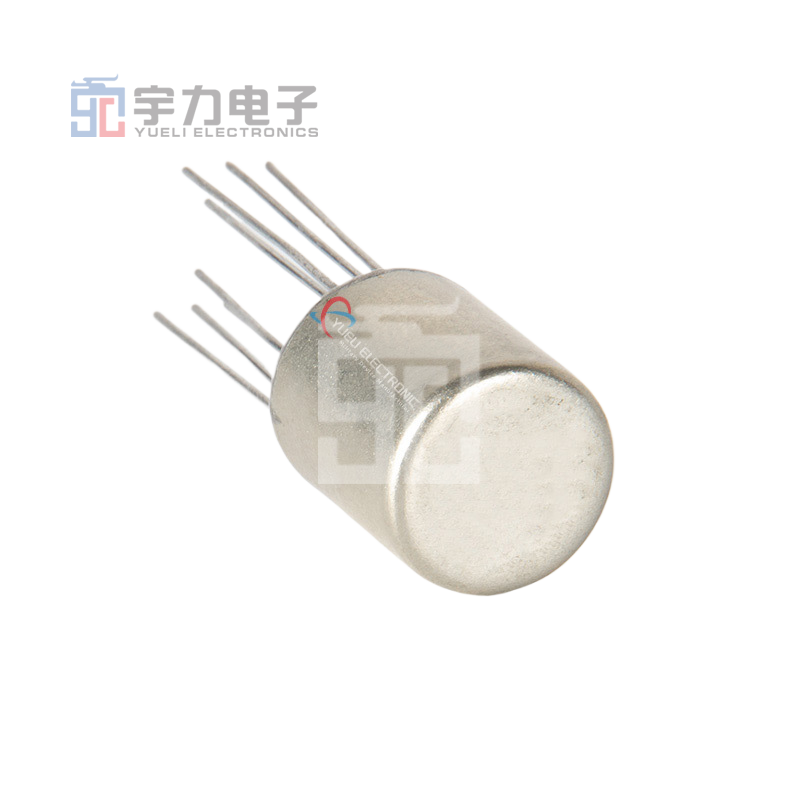
Integrating Miniature Relays into Your DIY Electronics Projects: A Comprehensive Guide
Table of Contents
- Understanding Miniature Relays: What They Are and How They Work
- Types of Miniature Relays: Choosing the Right One for Your Project
- Applications of Miniature Relays in DIY Electronics Projects
- How to Integrate Miniature Relays into Your Electronics Projects
- Safety Considerations When Using Miniature Relays
- Troubleshooting Common Relay Issues in DIY Projects
- Advanced Techniques: Using Miniature Relays for Complex Applications
- Conclusion
- FAQs about Miniature Relays in DIY Projects
Understanding Miniature Relays: What They Are and How They Work
Miniature relays are essential components in modern electronic systems, acting as electrically operated switches. At their core, a relay consists of an electromagnetic coil and one or more sets of contacts. When a small current passing through the coil creates a magnetic field, it pulls a lever that opens or closes the contacts, allowing a larger current to flow through a separate circuit. This makes relays ideal for controlling high-voltage devices with low-voltage signals, providing safety and efficiency in various applications.
Types of Miniature Relays: Choosing the Right One for Your Project
Choosing the right type of miniature relay is crucial for the success of your DIY project. Here are some common types:
Electromechanical Relays (EMR)
Electromechanical relays are the most traditional type, utilizing mechanical components to switch circuits. While they are reliable, they can be slower and less efficient than other types.
Solid-State Relays (SSR)
Solid-state relays use semiconductor devices to switch circuits instead of mechanical parts. They offer faster switching times, longer lifespans, and better resistance against environmental factors.
Reed Relays
Reed relays contain a pair of magnetic reed switches sealed in a glass tube. They are compact and provide quick switching but are generally limited to lower power applications.
Miniature Relay Configurations
Miniature relays come in various configurations, such as normally open (NO) or normally closed (NC). Understanding how these configurations impact your project will help you make the right choice.
Applications of Miniature Relays in DIY Electronics Projects
Miniature relays are versatile and can be used in numerous DIY electronics projects, including:
Smart Home Automation
Integrate relays into your home automation systems to control lights, appliances, and other devices remotely. This allows for energy-efficient and convenient living.
Robotics
In robotics projects, relays can be used to control motors and other high-power components, enabling complex movements and actions.
Automated Control Systems
Use miniature relays to create automated control systems for various applications, such as irrigation, temperature control, and more.
Signal Switching
Relays can also be employed in signal switching applications, allowing different signals to be routed through common pathways efficiently.
How to Integrate Miniature Relays into Your Electronics Projects
Integrating miniature relays into your DIY projects requires a clear understanding of the connections and circuit designs involved. Here’s a step-by-step guide:
1. Gather Your Components
Before starting, ensure you have all necessary components, including the relay, power supply, load (the device you want to control), and a control signal source (like a microcontroller).
2. Understand the Wiring Configuration
Refer to the relay datasheet to understand the pin configuration. Typically, relays have four or five pins: two for the coil and two or three for the contacts. Connect the coil pins to your control signal and the load pins to the device you want to control.
3. Create a Schematic
Design a schematic diagram to visualize the connections. This will help you avoid mistakes during assembly.
4. Assemble the Circuit
Using a breadboard or PCB, assemble the circuit according to your schematic. Ensure all connections are secure to avoid short circuits or failures.
5. Test the Circuit
Before fully integrating the relay into your final project, test the circuit thoroughly. Check that the relay activates as expected and that the connected load operates correctly.
Safety Considerations When Using Miniature Relays
While integrating miniature relays into your projects, consider the following safety precautions:
1. Voltage Ratings
Always choose relays suitable for the voltage and current ratings of your application. Exceeding these ratings can lead to relay failure or fire hazards.
2. Isolation
Employ opto-isolators or similar components to separate the control circuit from high-voltage circuits, enhancing safety.
3. Heat Management
Monitor the relay's temperature during operation. High temperatures may indicate overloading or wiring issues that need immediate attention.
Troubleshooting Common Relay Issues in DIY Projects
If you encounter issues with your relay integration, consider the following troubleshooting steps:
1. Relay Not Activating
Check the control signal voltage and ensure it meets the relay's activation requirements. Inspect the wiring for any loose connections.
2. Relay Sticking
Relay contacts may stick if the relay is overloaded. Consider using a higher-rated relay or adding protection components like diodes.
3. Incorrect Switching Behavior
If the relay switches unexpectedly, double-check the control circuit logic and ensure that the relay configuration matches your desired operation.
Advanced Techniques: Using Miniature Relays for Complex Applications
For more advanced users, miniature relays can be utilized in intricate circuits to achieve more complex functions:
1. Relay Ladder Logic
Use multiple relays in a ladder logic configuration to create complex control systems, commonly found in industrial applications.
2. Combining with Microcontrollers
Incorporate miniature relays with microcontrollers (like Arduino or Raspberry Pi) to enable automated control of multiple devices, enhancing project versatility.
3. Feedback Systems
Integrate feedback mechanisms to monitor relay status, allowing for real-time adjustments and improved control in automated systems.
Conclusion
Integrating miniature relays into your DIY electronics projects opens up a world of possibilities for creativity and functionality. Understanding how these components work, selecting the appropriate type, and applying them effectively can elevate your projects to new heights. Whether you're automating your home, building a robot, or creating intricate control systems, miniature relays serve as invaluable tools in your electronic toolkit.
FAQs about Miniature Relays in DIY Projects
1. What is the primary function of a miniature relay?
The primary function of a miniature relay is to electronically control a larger power circuit using a smaller control signal.
2. How do I know which type of relay to use for my project?
Choose a relay based on the voltage and current requirements of your application, as well as the desired switching speed and reliability.
3. Can I use a relay with a microcontroller?
Yes, miniature relays can be easily controlled by microcontrollers, allowing for automated control of devices.
4. What precautions should I take when working with high-voltage relays?
Always ensure proper isolation, use appropriate voltage-rated components, and monitor for overheating during operation.
5. Are solid-state relays better than electromechanical relays?
Solid-state relays offer advantages like faster switching and longer lifespan, but electromechanical relays can handle higher power loads effectively. The choice depends on your specific application needs.
Xi'an Yuli Electronic Technology Co., Ltd.
Whats App:+8618122061211

Message consultation
Note: Please leave your contact information and our professionals will contact you as soon as possible!