Welcome to the official website of Xi'an Yuli Electronic Technology Co., Ltd.


Understanding Sealed Relays: Key Insights for Professionals in the Electronics Industry
2025-09-21
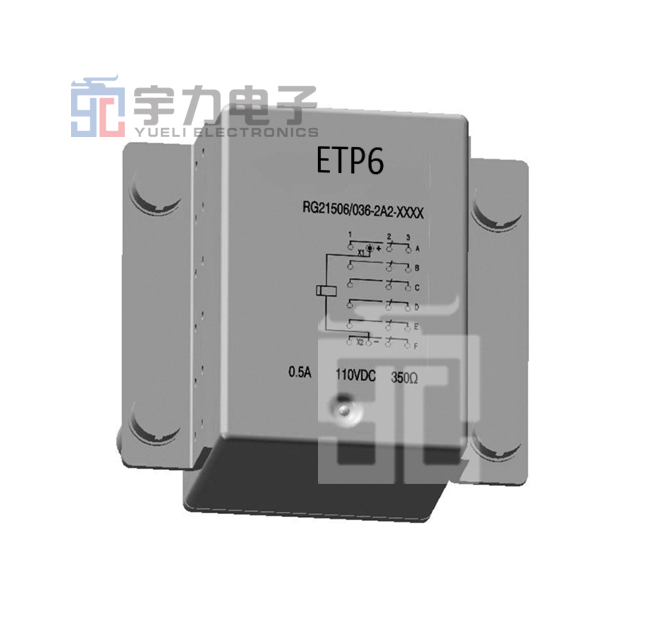
Sealed relays are an integral part of many electronic systems, known for their ability to provide reliable switching in adverse environments. These relays are designed to protect their internal components from dust, moisture, and other contaminants, making them particularly useful in industrial applications where conditions may not be ideal.
One of the primary advantages of sealed relays is their rugged construction. The enclosure prevents external elements from interfering with the relay's operation, ensuring longevity and consistent performance. This characteristic is critical in applications such as automotive systems, outdoor equipment, and various industrial machinery, where exposure to harsh conditions is commonplace.
Sealed relays come in various configurations, including electromagnetic and solid-state designs. Electromagnetic sealed relays use an electromagnet to open and close the contacts, while solid-state versions rely on semiconductor technology for switching. Each type has its unique advantages, with electromagnetic relays typically being favored for their cost-effectiveness and strength, while solid-state relays offer faster switching times and greater durability under extreme conditions.
Another important factor to consider when selecting a sealed relay is its electrical rating. Professionals should assess the voltage and current requirements of their specific application to ensure the relay can handle the load without failure. Additionally, understanding the coil voltage is essential, as it determines how much energy is required to activate the relay.
Sealed relays are also designed with specific applications in mind. For instance, automotive sealed relays are often used in lighting, power distribution, and control systems, where reliability is paramount. In contrast, sealed relays used in HVAC systems manage the operation of compressors and blowers, necessitating robust performance in varying temperatures and humidity levels.
Furthermore, when integrating sealed relays into a design, professionals should be aware of the importance of proper installation and maintenance. Even the most robust sealed relay can fail if not installed correctly. Ensuring that connections are secure and that the relay is mounted in a location free from excessive vibration can prolong its lifespan and improve overall system reliability.
In conclusion, sealed relays are vital components in the electronics industry, providing robust solutions for various applications. By understanding their construction, functionality, and specific use cases, professionals can make informed decisions when selecting the right sealed relay for their needs. Emphasizing quality and reliability in this component selection will ultimately enhance the performance and durability of electronic systems.
One of the primary advantages of sealed relays is their rugged construction. The enclosure prevents external elements from interfering with the relay's operation, ensuring longevity and consistent performance. This characteristic is critical in applications such as automotive systems, outdoor equipment, and various industrial machinery, where exposure to harsh conditions is commonplace.
Sealed relays come in various configurations, including electromagnetic and solid-state designs. Electromagnetic sealed relays use an electromagnet to open and close the contacts, while solid-state versions rely on semiconductor technology for switching. Each type has its unique advantages, with electromagnetic relays typically being favored for their cost-effectiveness and strength, while solid-state relays offer faster switching times and greater durability under extreme conditions.
Another important factor to consider when selecting a sealed relay is its electrical rating. Professionals should assess the voltage and current requirements of their specific application to ensure the relay can handle the load without failure. Additionally, understanding the coil voltage is essential, as it determines how much energy is required to activate the relay.
Sealed relays are also designed with specific applications in mind. For instance, automotive sealed relays are often used in lighting, power distribution, and control systems, where reliability is paramount. In contrast, sealed relays used in HVAC systems manage the operation of compressors and blowers, necessitating robust performance in varying temperatures and humidity levels.
Furthermore, when integrating sealed relays into a design, professionals should be aware of the importance of proper installation and maintenance. Even the most robust sealed relay can fail if not installed correctly. Ensuring that connections are secure and that the relay is mounted in a location free from excessive vibration can prolong its lifespan and improve overall system reliability.
In conclusion, sealed relays are vital components in the electronics industry, providing robust solutions for various applications. By understanding their construction, functionality, and specific use cases, professionals can make informed decisions when selecting the right sealed relay for their needs. Emphasizing quality and reliability in this component selection will ultimately enhance the performance and durability of electronic systems.
Xi'an Yuli Electronic Technology Co., Ltd.
Whats App:+8618122061211

Message consultation
Note: Please leave your contact information and our professionals will contact you as soon as possible!