Welcome to the official website of Xi'an Yuli Electronic Technology Co., Ltd.


Understanding Electromagnetic Contactors: Essential Insights for Industry Professionals
2025-09-29
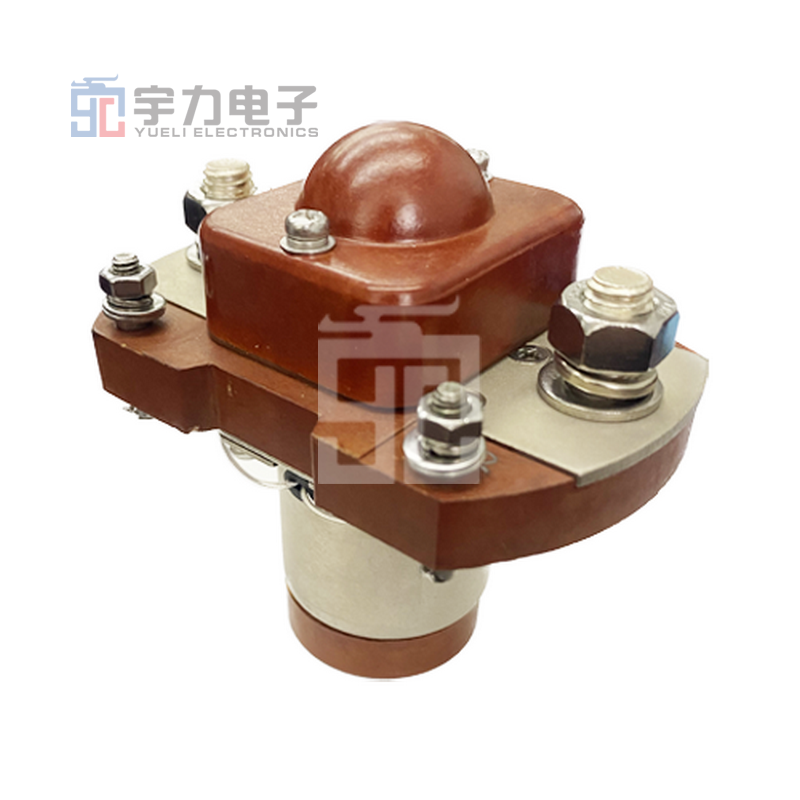
Electromagnetic contactors are vital components in electrical systems, serving as the interface between control circuits and load circuits. They play a crucial role in the automation and control of electrical devices, making them indispensable in various industrial applications. Understanding the fundamentals of electromagnetic contactors is essential for professionals working in the electronic components industry, particularly those involved in manufacturing and integrating these devices.
At their core, electromagnetic contactors consist of an electromagnet and a set of contacts. When an electric current flows through the coil of the electromagnet, it generates a magnetic field that attracts a movable armature. This action closes the contacts, thereby allowing current to flow to the connected load. The operation is reversed when the current is interrupted, causing the contacts to open and disconnect the load. This on-off switching capability makes electromagnetic contactors effective for controlling motors, lights, and other electrical devices.
One of the primary advantages of using electromagnetic contactors is their ability to handle high current loads. They are designed to withstand the demands of industrial environments, providing reliable performance even under challenging conditions. Additionally, these contactors are available in various sizes and configurations, allowing professionals to select models that best suit their specific applications.
In terms of applications, electromagnetic contactors are widely used in motor control circuits, lighting control, and heating applications, among others. They can be found in sectors such as manufacturing, HVAC systems, and power distribution. Their versatility makes them an integral part of modern electrical systems, enabling automation and enhancing operational efficiency.
When selecting electromagnetic contactors, professionals should consider several factors. First, it's important to evaluate the contactor's rated voltage and current capacity to ensure it meets the demands of the intended application. Additionally, environmental conditions, such as temperature and humidity, should be taken into account, as these can affect the contactor's performance and longevity. Other considerations include the type of load being controlled—inductive or resistive—as well as any specific control functions required, such as auxiliary contacts or delay timers.
In conclusion, electromagnetic contactors are fundamental components in the electronic components sector, facilitating the control of electrical devices in a wide array of applications. By understanding their function, advantages, and key selection criteria, professionals can make informed decisions that enhance system reliability and performance. Familiarity with these devices will not only improve operational efficiencies but also contribute to safer and more effective electrical installations.
At their core, electromagnetic contactors consist of an electromagnet and a set of contacts. When an electric current flows through the coil of the electromagnet, it generates a magnetic field that attracts a movable armature. This action closes the contacts, thereby allowing current to flow to the connected load. The operation is reversed when the current is interrupted, causing the contacts to open and disconnect the load. This on-off switching capability makes electromagnetic contactors effective for controlling motors, lights, and other electrical devices.
One of the primary advantages of using electromagnetic contactors is their ability to handle high current loads. They are designed to withstand the demands of industrial environments, providing reliable performance even under challenging conditions. Additionally, these contactors are available in various sizes and configurations, allowing professionals to select models that best suit their specific applications.
In terms of applications, electromagnetic contactors are widely used in motor control circuits, lighting control, and heating applications, among others. They can be found in sectors such as manufacturing, HVAC systems, and power distribution. Their versatility makes them an integral part of modern electrical systems, enabling automation and enhancing operational efficiency.
When selecting electromagnetic contactors, professionals should consider several factors. First, it's important to evaluate the contactor's rated voltage and current capacity to ensure it meets the demands of the intended application. Additionally, environmental conditions, such as temperature and humidity, should be taken into account, as these can affect the contactor's performance and longevity. Other considerations include the type of load being controlled—inductive or resistive—as well as any specific control functions required, such as auxiliary contacts or delay timers.
In conclusion, electromagnetic contactors are fundamental components in the electronic components sector, facilitating the control of electrical devices in a wide array of applications. By understanding their function, advantages, and key selection criteria, professionals can make informed decisions that enhance system reliability and performance. Familiarity with these devices will not only improve operational efficiencies but also contribute to safer and more effective electrical installations.
Xi'an Yuli Electronic Technology Co., Ltd.
Whats App:+8618122061211

Message consultation
Note: Please leave your contact information and our professionals will contact you as soon as possible!