Welcome to the official website of Xi'an Yuli Electronic Technology Co., Ltd.


Enhancing Energy Efficiency with Three Phase Contactors: A Comprehensive Guide
2025-09-28
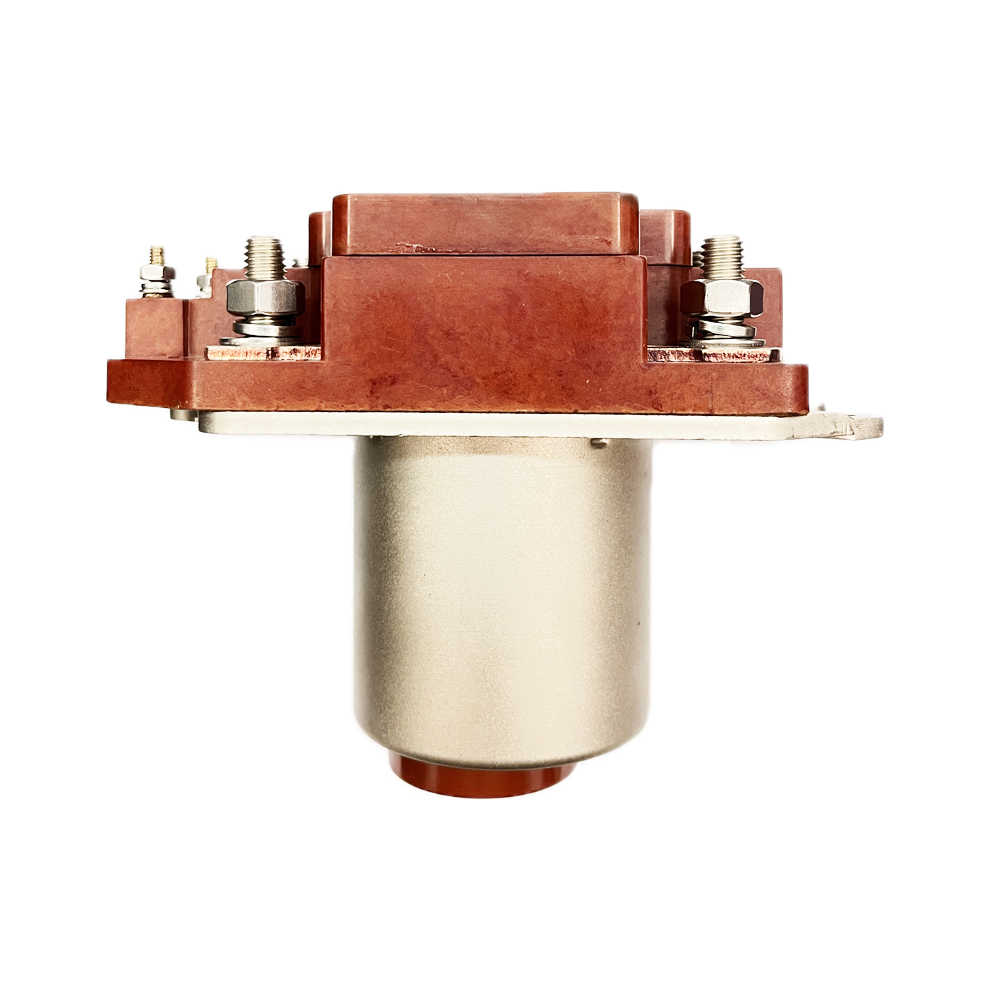
Enhancing Energy Efficiency with Three Phase Contactors
Table of Contents
- 1. Introduction to Three Phase Contactors
- 2. What is a Three Phase Contactor?
- 3. How Do Three Phase Contactors Work?
- 4. Benefits of Using Three Phase Contactors for Energy Efficiency
- 5. Applications of Three Phase Contactors in Various Industries
- 6. Strategies for Optimizing Energy Efficiency with Three Phase Contactors
- 7. Common Issues and Maintenance Tips for Three Phase Contactors
- 8. Future Trends in Three Phase Contactors
- 9. Frequently Asked Questions
- 10. Conclusion
1. Introduction to Three Phase Contactors
In today's world, energy efficiency is more than just a buzzword; it's a necessity for sustainable industrial practices and cost-effective operations. Among various electrical components that play a crucial role in enhancing energy efficiency, **three phase contactors** stand out. These devices are essential in the control of electrical devices, particularly in heavy-duty applications where power management is critical. This article aims to provide a comprehensive understanding of three phase contactors, their functionality, and their profound impact on energy efficiency.
2. What is a Three Phase Contactor?
A **three phase contactor** is an electromechanical switch used to control a three-phase power circuit. It is designed to connect and disconnect power to motors and other electrical devices, making it an essential component in automation and control systems. Unlike single phase contactors, three phase contactors are specifically engineered to handle the unique demands of three-phase electrical systems, which are commonly used in industrial and commercial applications.
2.1 Key Components of a Three Phase Contactor
Understanding the primary components of a three phase contactor is essential for grasping its functionality. The key components include:
- **Coil**: The electromagnetic coil that energizes the contactor.
- **Contacts**: Metal pieces that open or close the circuit.
- **Enclosure**: Protective casing that houses the contactor.
3. How Do Three Phase Contactors Work?
Three phase contactors operate based on electromagnetic principles. When an electrical current passes through the coil, it generates a magnetic field that pulls the contacts together, completing the circuit. This process allows electricity to flow to the connected load, such as a motor. Upon de-energizing the coil, the magnetic field dissipates, and the contacts open, disconnecting the power supply.
3.1 Control Circuit Design
The design of the control circuit is critical in ensuring the reliability and efficiency of three phase contactors. Proper configuration allows for the integration of additional features such as overload protection, timers, and remote control, all of which enhance operational efficiency.
4. Benefits of Using Three Phase Contactors for Energy Efficiency
The adoption of three phase contactors offers several significant benefits for enhancing energy efficiency in various applications:
4.1 Reduced Energy Consumption
Three phase contactors enable precise control over motor operations, leading to reduced energy waste. By optimizing the start-up and shut-down processes, companies can minimize energy consumption during non-productive hours.
4.2 Increased Equipment Longevity
By effectively managing electrical loads, three phase contactors can help reduce wear and tear on motors and machinery. This increased longevity results in lower replacement costs and less downtime, contributing to overall energy efficiency.
4.3 Enhanced Performance
Three phase systems allow for smoother operation of electrical devices, reducing the likelihood of voltage drops and harmonics. This stability enhances overall system performance and increases energy efficiency.
5. Applications of Three Phase Contactors in Various Industries
Three phase contactors are widely utilized across various industries due to their versatility and reliability. Some common applications include:
5.1 Manufacturing
In manufacturing environments, three phase contactors control large motors and machinery, ensuring efficient operation and reduced energy consumption.
5.2 HVAC Systems
In heating, ventilation, and air conditioning (HVAC) systems, three phase contactors manage compressors and fans, optimizing energy use while maintaining comfort levels.
5.3 Water Treatment Facilities
These facilities utilize three phase contactors to control pumps and mixers, ensuring efficient operations and energy savings in water management.
6. Strategies for Optimizing Energy Efficiency with Three Phase Contactors
To maximize the energy efficiency benefits of three phase contactors, consider these optimization strategies:
6.1 Regular Maintenance
Implement a robust maintenance schedule to keep contactors in optimal working condition. Regular inspections can identify wear and address issues before they escalate.
6.2 Utilize Smart Technology
Incorporate smart technology and automation systems to monitor energy usage and optimize control strategies continuously. Intelligent systems can adapt to changing conditions, ensuring maximum efficiency.
6.3 Adjust Load Settings
Fine-tune load settings based on operational requirements. By adjusting parameters, businesses can further optimize energy consumption and reduce waste.
7. Common Issues and Maintenance Tips for Three Phase Contactors
While three phase contactors are reliable, they can encounter issues that affect their performance. Being aware of these common problems can help with early detection and maintenance:
7.1 Overheating
Overheating can occur due to excessive current flow or inadequate ventilation. Regular inspections and ensuring proper airflow can mitigate this risk.
7.2 Contact Wear
Frequent cycling or high-load conditions can lead to contact wear. Monitoring contact condition and replacing them when necessary can prevent failures.
7.3 Coil Malfunction
Coil failures can result in contactor malfunction. Testing coil resistance regularly can help ensure reliable operation.
8. Future Trends in Three Phase Contactors
As technology advances, the field of three phase contactors continues to evolve. Here are some notable trends to watch:
8.1 Integration with IoT
The Internet of Things (IoT) is making its way into industrial applications. Future three phase contactors may feature connectivity options for real-time monitoring and control.
8.2 Development of Energy-Efficient Models
Manufacturers are increasingly focused on developing energy-efficient contactors that minimize energy losses and enhance performance.
8.3 Enhanced Safety Features
New safety standards are emerging, driving the development of contactors with enhanced protective features to ensure safe operation in various environments.
9. Frequently Asked Questions
9.1 What is the lifespan of a three phase contactor?
The lifespan of a three phase contactor varies based on usage, load conditions, and maintenance practices. Generally, a well-maintained contactor can last several years.
9.2 How can I determine the right contactor for my application?
Selecting the right contactor involves considering factors such as load requirements, voltage ratings, and operational environment. Consulting with a specialist can help ensure proper selection.
9.3 Are three phase contactors safe to use?
When installed and maintained correctly, three phase contactors are safe. It's essential to follow manufacturer guidelines and industry standards.
9.4 Can I use a single phase contactor for three phase applications?
No, single phase contactors are not designed for three phase applications. Using them inappropriately can lead to failures and safety hazards.
9.5 What maintenance practices should I follow?
Regular inspections, cleaning, and testing of contactor operation are vital maintenance practices that help ensure reliability and efficiency.
10. Conclusion
Three phase contactors play a pivotal role in enhancing energy efficiency across various industrial applications. By understanding their functionality and implementing effective optimization strategies, businesses can significantly reduce energy consumption, prolong equipment lifespan, and improve overall operational performance. As technology continues to evolve, staying abreast of advancements in three phase contactors will be crucial for maintaining competitive advantages in energy management and sustainability. Embracing these innovations not only supports operational goals but also contributes to a greener future.
Xi'an Yuli Electronic Technology Co., Ltd.
Whats App:+8618122061211

Message consultation
Note: Please leave your contact information and our professionals will contact you as soon as possible!