Welcome to the official website of Xi'an Yuli Electronic Technology Co., Ltd.


Understanding DC Contactors: Essential Components for Electrical Control
2025-09-27
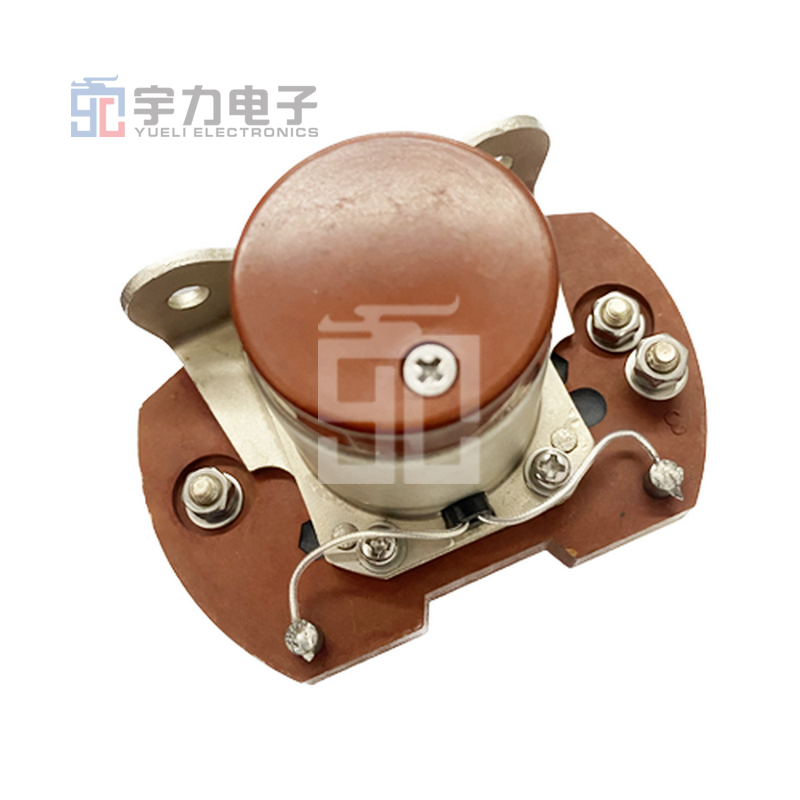
DC contactors are critical components in the world of electrical control systems, primarily used for switching and controlling electrical circuits. These devices are designed to manage high-voltage direct current (DC) applications, making them indispensable in various industries. Understanding how DC contactors work and their applications can significantly enhance your electrical management strategies.
At its core, a DC contactor operates similarly to a relay, but it is specifically engineered to handle direct current circuits. When an electrical current flows through the coil of the contactor, it creates a magnetic field that attracts a movable armature. This action closes the contacts, allowing current to flow through the connected load. Once the current to the coil is turned off, the magnetic field dissipates, and the armature returns to its original position, opening the circuit. This on-off switching capability is essential for controlling electric motors, lighting systems, and other electronic devices in a safe and efficient manner.
One of the key advantages of DC contactors is their ability to handle large amounts of current without overheating, making them ideal for high-power applications. They are commonly found in renewable energy systems, such as solar power installations, where DC current is prevalent. Additionally, DC contactors are often utilized in electric vehicles and battery management systems, where reliable switching is crucial for performance and safety.
Choosing the right DC contactor involves considering several factors, including the voltage and current ratings, the type of load, and the environment in which the contactor will operate. It's essential to select a contactor that can withstand the electrical demands of the application while also ensuring longevity and reliability. For instance, contactors designed with specific materials can provide better resistance to environmental conditions such as moisture and extreme temperatures.
Moreover, maintenance and periodic inspection of DC contactors are vital to ensure optimal performance. Regular checks can help identify wear and tear or potential issues before they lead to failures, which can disrupt operations and incur significant costs.
In conclusion, DC contactors play a vital role in modern electrical systems, enabling efficient control and management of direct current applications. By understanding their function, applications, and maintenance needs, you can make informed decisions that enhance the reliability and efficiency of your electrical systems. Whether in industrial, commercial, or renewable energy applications, the proper implementation of DC contactors can lead to improved performance and safety.
At its core, a DC contactor operates similarly to a relay, but it is specifically engineered to handle direct current circuits. When an electrical current flows through the coil of the contactor, it creates a magnetic field that attracts a movable armature. This action closes the contacts, allowing current to flow through the connected load. Once the current to the coil is turned off, the magnetic field dissipates, and the armature returns to its original position, opening the circuit. This on-off switching capability is essential for controlling electric motors, lighting systems, and other electronic devices in a safe and efficient manner.
One of the key advantages of DC contactors is their ability to handle large amounts of current without overheating, making them ideal for high-power applications. They are commonly found in renewable energy systems, such as solar power installations, where DC current is prevalent. Additionally, DC contactors are often utilized in electric vehicles and battery management systems, where reliable switching is crucial for performance and safety.
Choosing the right DC contactor involves considering several factors, including the voltage and current ratings, the type of load, and the environment in which the contactor will operate. It's essential to select a contactor that can withstand the electrical demands of the application while also ensuring longevity and reliability. For instance, contactors designed with specific materials can provide better resistance to environmental conditions such as moisture and extreme temperatures.
Moreover, maintenance and periodic inspection of DC contactors are vital to ensure optimal performance. Regular checks can help identify wear and tear or potential issues before they lead to failures, which can disrupt operations and incur significant costs.
In conclusion, DC contactors play a vital role in modern electrical systems, enabling efficient control and management of direct current applications. By understanding their function, applications, and maintenance needs, you can make informed decisions that enhance the reliability and efficiency of your electrical systems. Whether in industrial, commercial, or renewable energy applications, the proper implementation of DC contactors can lead to improved performance and safety.
Xi'an Yuli Electronic Technology Co., Ltd.
Whats App:+8618122061211

Message consultation
Note: Please leave your contact information and our professionals will contact you as soon as possible!