Welcome to the official website of Xi'an Yuli Electronic Technology Co., Ltd.


Top Tips for Selecting Polarized Relays for Your Projects
2025-09-26
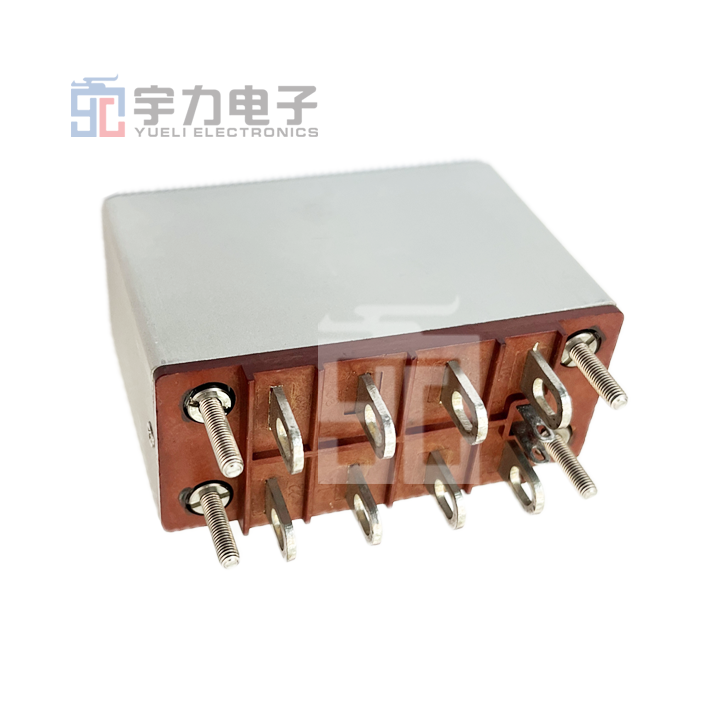
Top Tips for Selecting Polarized Relays for Your Projects
Understanding Polarized Relays: A Comprehensive Overview
Polarized relays are critical components in various electronic circuits, providing control over current flow with enhanced stability and accuracy. Unlike standard relays, polarized relays have a permanent magnet that holds the armature in a specific position, allowing for more reliable operation. They are commonly used in applications requiring precise switching, such as in telecommunications and automotive systems.
The Importance of Choosing the Right Relay for Your Project
Selecting the appropriate polarized relay can significantly impact the functionality and efficiency of your electronic project. A well-chosen relay ensures optimal performance, reduces energy consumption, and extends the lifespan of your circuit. Understanding the specific requirements of your project is paramount to making an informed choice.
Key Factors to Consider When Selecting Polarized Relays
To make the best selection, we must evaluate several critical factors:
1. Voltage and Current Ratings
One of the first aspects to consider is the voltage and current ratings of the relay. Ensure that the relay can handle the voltage levels and current loads of your application without overheating or failing. Check the relay’s specifications for its continuous and surge current capacity.
2. Coil Voltage
The coil voltage refers to the voltage needed to energize the relay. It’s essential to match the coil voltage with the control circuit voltage to ensure reliable operation. Choosing a relay with the wrong coil voltage can lead to inefficient performance or even failure.
3. Contact Configuration
Polarized relays come in various contact configurations, including normally open (NO), normally closed (NC), and changeover (CO). The choice of contact configuration will depend on how you intend to control the circuit. Understanding your circuit’s requirements will help you select the right configuration.
4. Switching Speed
The switching speed of a relay can significantly affect the overall performance of your project. If your application requires fast switching, be sure to select a relay designed for rapid actuation. Consider the relay’s response time and ensure it meets the demands of your project.
5. Size and Mounting Options
Physical dimensions and mounting options of the relay are also crucial. Ensure that the relay fits well within your project’s design constraints. Various mounting styles, such as PCB mount, panel mount, or socket mount, may also influence your decision.
Identifying the Application Requirements
Before selecting a polarized relay, identify the specific requirements of your application. Different projects have different needs, whether it’s for an industrial automation system, a consumer electronics device, or a hobbyist project.
Common Applications of Polarized Relays
Polarized relays are versatile components used in various applications, including:
- **Telecommunications**: They are used to control signal flow and manage connections in communication systems.
- **Automotive Systems**: For controlling various functions, including lights and power windows.
- **Industrial Automation**: They play a crucial role in controlling motors and actuators.
- **Home Automation**: Used in smart home devices to manage electrical appliances.
Evaluating the Quality of Polarized Relays
Quality is paramount when it comes to selecting polarized relays. Here are some tips to ensure you’re choosing high-quality components:
1. Manufacturer Reputation
Research the reputation of the manufacturer. Established brands typically have a history of reliability and performance. Look for reviews and testimonials from other users to gauge their experiences.
2. Compliance with Standards
Ensure that the relay complies with relevant industry standards, such as IEC or UL certifications. This compliance indicates that the relay has undergone rigorous testing for safety and reliability.
3. Warranty and Support
Check for warranties and technical support offered by the manufacturer. A good warranty can provide peace of mind, while accessible support can assist with any issues that arise post-purchase.
Testing Your Selected Polarized Relay
Once you’ve selected a polarized relay, thorough testing is essential to ensure it meets your project’s requirements. Here’s how to effectively test your relay:
1. Bench Testing
Conduct bench tests to verify that the relay operates correctly under expected load conditions. Measure the switching speed, coil resistance, and current ratings during this phase.
2. Heat Generation
Monitor the temperature of the relay during operation. Excessive heat can indicate that the relay is overloaded or not functioning properly.
3. Longevity Testing
Perform longevity tests to simulate prolonged use. This can help identify potential failure points and assess the relay’s lifespan.
FAQs About Selecting Polarized Relays
1. What are the differences between polarized and non-polarized relays?
Polarized relays have a permanent magnet, allowing them to maintain their position without continuous power, while non-polarized relays do not have this feature and rely solely on the coil for operation.
2. Can I use a polarized relay in a DC circuit?
Yes, polarized relays can be used in DC circuits as long as their specifications match the circuit requirements, including voltage and current ratings.
3. How do I know if a relay will fit my project?
Review the physical dimensions and mounting options of the relay against your project specifications to ensure compatibility.
4. What happens if the relay is overloaded?
Overloading a relay can lead to overheating, contact welding, and ultimately, failure of the relay.
5. Are there any specific brands known for quality polarized relays?
Brands like Omron, Panasonic, and TE Connectivity are well-regarded for their quality polarized relays, but it’s essential to evaluate each product individually.
Conclusion
In summary, selecting the right polarized relay for your projects involves a thorough understanding of your application’s requirements and a careful evaluation of various factors, including voltage ratings, contact configuration, and quality. By keeping these tips in mind, you can ensure that you choose a relay that enhances the performance and reliability of your electronic designs. Taking the time to test and evaluate your selected relay will further guarantee that your project meets its intended goals effectively.
Xi'an Yuli Electronic Technology Co., Ltd.
Whats App:+8618122061211

Message consultation
Note: Please leave your contact information and our professionals will contact you as soon as possible!