Welcome to the official website of Xi'an Yuli Electronic Technology Co., Ltd.


The Essential Guide to DC Contactors: Understanding Their Functionality and Applications
2025-10-01
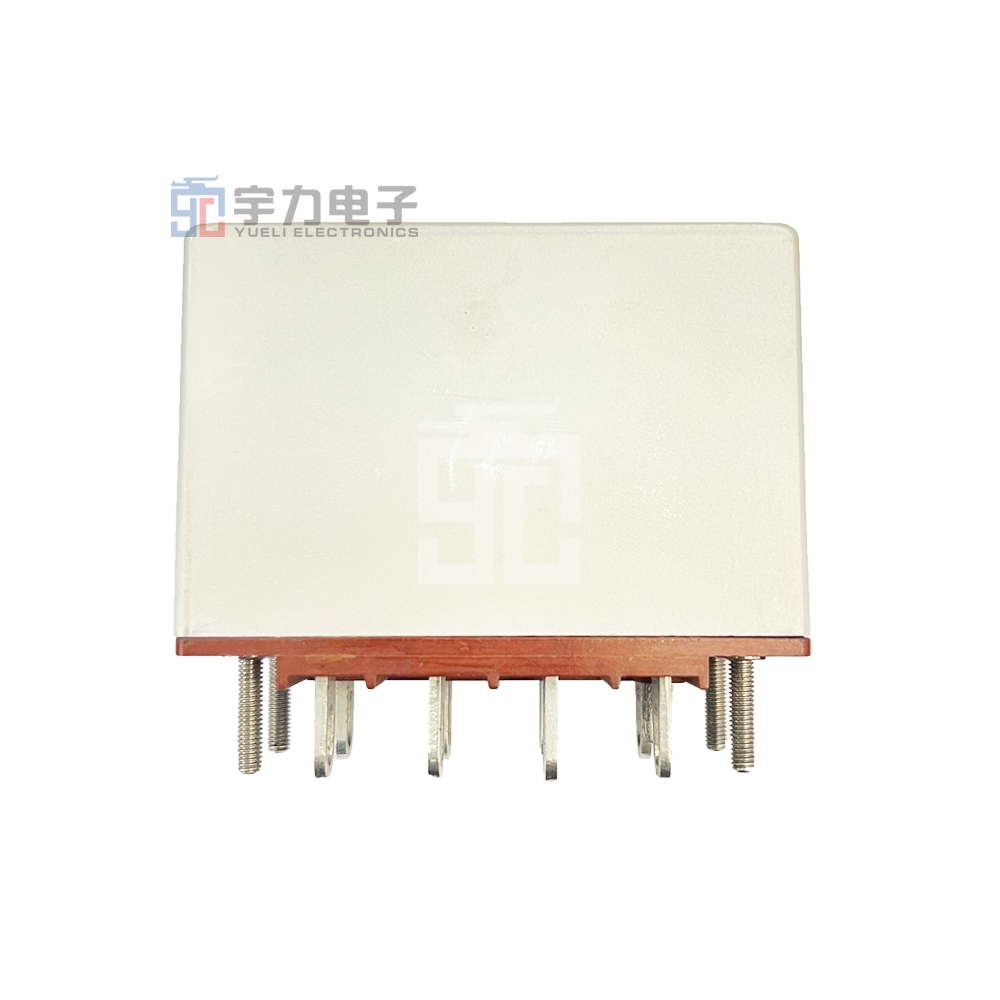
DC contactors, an essential component in the field of electronic devices, are electromagnetic switches used to control the flow of direct current (DC) in electrical circuits. They are similar to relays but specifically designed for the unique demands of DC applications. Understanding DC contactors and their functionalities is crucial for anyone involved in electrical systems design and maintenance.
At the core of a DC contactor is its electromagnetic coil, which, when energized, creates a magnetic field that attracts a movable armature. This action closes (or opens) the contacts, allowing (or interrupting) the flow of electrical current. The design of DC contactors must effectively manage the arcing that occurs when contacts open and close, as DC circuits do not have zero-crossing points like AC circuits. Special materials and configurations are often employed to minimize wear and prolong the lifespan of the contacts.
DC contactors are widely used in various applications, including motor control, battery management systems, and renewable energy systems such as solar power installations. In motor control applications, they facilitate the starting and stopping of DC motors, which are prevalent in automotive and industrial settings. In battery management systems, DC contactors play a key role in connecting and disconnecting charging and discharging circuits, thus ensuring safe operation and optimizing battery life.
When selecting a DC contactor for a specific application, several factors must be considered. The voltage and current ratings are critical; ensuring the contactor can handle the maximum load is necessary for safe operation. Additionally, environmental conditions, such as temperature and humidity, may influence the choice of contactor. Some models are designed for harsh environments and come with protective enclosures to enhance their durability.
Furthermore, the configuration of the contactor, including the number of poles and contacts, will depend on the specific requirements of the circuit. For instance, a single-pole contactor may suffice for simple applications, whereas more complex systems may require multi-pole contactors to manage multiple circuits.
In conclusion, DC contactors are vital components in electronic systems requiring reliable control over direct current. Their ability to manage electrical loads efficiently makes them indispensable in various industries. Understanding their design, functionality, and applications will empower professionals to make informed decisions when integrating these devices into their systems, ultimately enhancing performance and safety.
At the core of a DC contactor is its electromagnetic coil, which, when energized, creates a magnetic field that attracts a movable armature. This action closes (or opens) the contacts, allowing (or interrupting) the flow of electrical current. The design of DC contactors must effectively manage the arcing that occurs when contacts open and close, as DC circuits do not have zero-crossing points like AC circuits. Special materials and configurations are often employed to minimize wear and prolong the lifespan of the contacts.
DC contactors are widely used in various applications, including motor control, battery management systems, and renewable energy systems such as solar power installations. In motor control applications, they facilitate the starting and stopping of DC motors, which are prevalent in automotive and industrial settings. In battery management systems, DC contactors play a key role in connecting and disconnecting charging and discharging circuits, thus ensuring safe operation and optimizing battery life.
When selecting a DC contactor for a specific application, several factors must be considered. The voltage and current ratings are critical; ensuring the contactor can handle the maximum load is necessary for safe operation. Additionally, environmental conditions, such as temperature and humidity, may influence the choice of contactor. Some models are designed for harsh environments and come with protective enclosures to enhance their durability.
Furthermore, the configuration of the contactor, including the number of poles and contacts, will depend on the specific requirements of the circuit. For instance, a single-pole contactor may suffice for simple applications, whereas more complex systems may require multi-pole contactors to manage multiple circuits.
In conclusion, DC contactors are vital components in electronic systems requiring reliable control over direct current. Their ability to manage electrical loads efficiently makes them indispensable in various industries. Understanding their design, functionality, and applications will empower professionals to make informed decisions when integrating these devices into their systems, ultimately enhancing performance and safety.
Xi'an Yuli Electronic Technology Co., Ltd.
Whats App:+8618122061211

Message consultation
Note: Please leave your contact information and our professionals will contact you as soon as possible!