Welcome to the official website of Xi'an Yuli Electronic Technology Co., Ltd.


The Growing Demand for Electromagnetic Relays in IoT Devices
2025-10-02
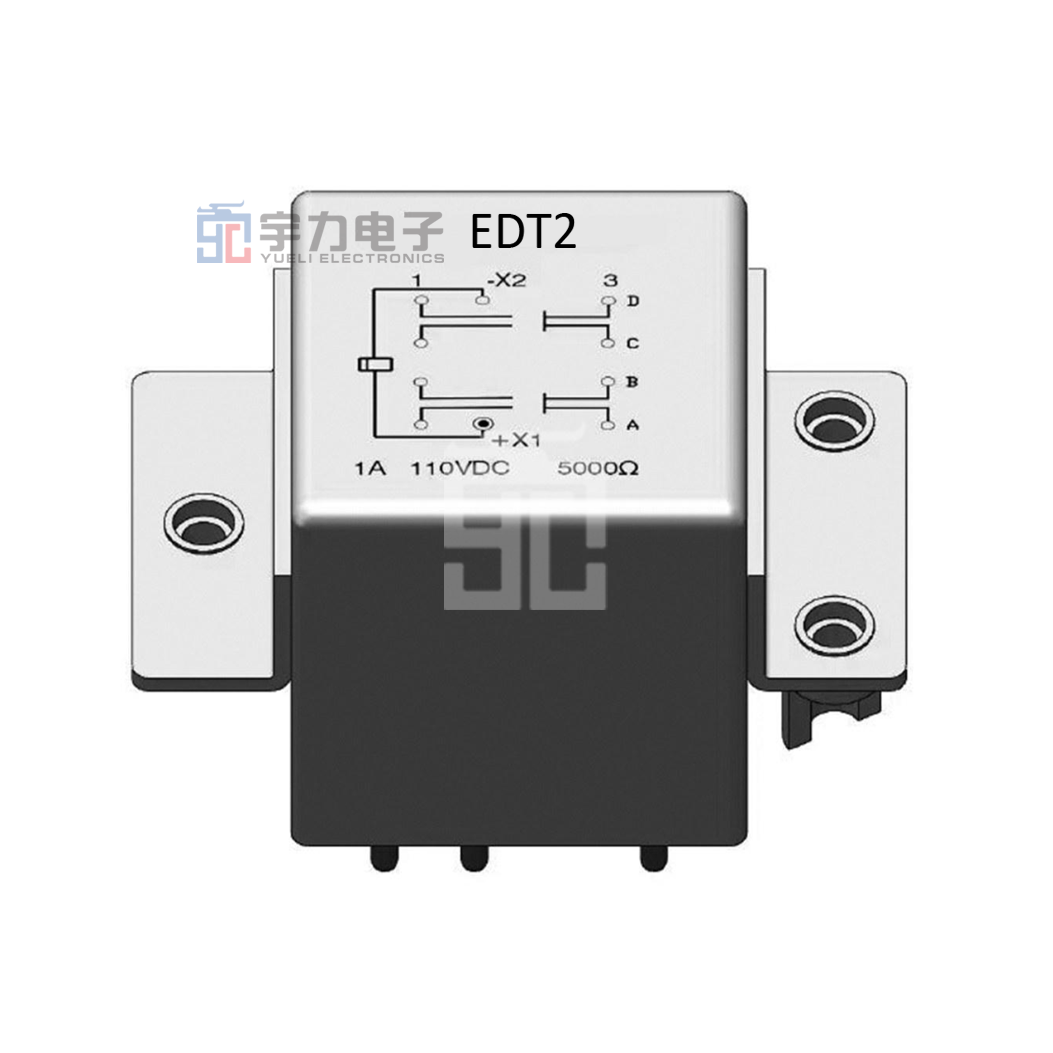
The Growing Demand for Electromagnetic Relays in IoT Devices
In recent years, the Internet of Things (IoT) has emerged as a transformative force across various industries, pushing the boundaries of connectivity, automation, and efficiency. At the heart of many IoT systems lies a vital component: the electromagnetic relay. As we delve into the increasing demand for electromagnetic relays in IoT devices, we aim to highlight their significance, applications, and the key factors propelling their growth in the market.
Table of Contents
- 1. Introduction to Electromagnetic Relays
- 2. Understanding IoT Devices and Their Functionality
- 3. The Role of Electromagnetic Relays in IoT Devices
- 4. Types of Electromagnetic Relays Used in IoT
- 5. Advancements in Electromagnetic Relay Technology
- 6. Market Demand and Growth Forecasts
- 7. Challenges Facing Electromagnetic Relays in IoT Applications
- 8. Future Outlook for Electromagnetic Relays in the IoT Ecosystem
- 9. Conclusion
- 10. Frequently Asked Questions
1. Introduction to Electromagnetic Relays
Electromagnetic relays are electromechanical switches that utilize an electromagnetic coil to mechanically operate a switching mechanism. These devices are crucial in controlling the flow of current in various applications, making them indispensable in electrical systems. The primary function of an electromagnetic relay is to enable or disable a circuit, acting as a bridge between high-power circuits and low-power control signals.
As IoT devices proliferate, the demand for these relays has surged, largely due to their reliability, efficiency, and ability to manage multiple connections. In an era where automation and smart devices are becoming commonplace, understanding the role of electromagnetic relays is paramount.
2. Understanding IoT Devices and Their Functionality
IoT devices are interconnected gadgets that communicate with each other via the internet, enabling data exchange and remote control. These devices can range from smart home appliances, wearables, and industrial sensors to complex systems in healthcare and transportation. The essence of IoT lies in its capability to gather and analyze data, leading to improved decision-making and enhanced operational efficiency.
The functionality of these devices hinges upon various components, including sensors, processors, and communication modules. Electromagnetic relays play a pivotal role in ensuring these components interact seamlessly, facilitating a responsive and efficient system.
3. The Role of Electromagnetic Relays in IoT Devices
Electromagnetic relays serve several critical functions in IoT devices:
3.1 Signal Isolation
Electromagnetic relays provide electrical isolation between different circuits, protecting sensitive components from potential damage caused by voltage spikes or surges. This isolation is crucial for maintaining the integrity and longevity of IoT devices.
3.2 Control of High Power Loads
Many IoT applications involve controlling high-power devices, such as motors or lighting systems. Electromagnetic relays allow low-power control signals to switch high-power circuits safely, enabling efficient operation without risking damage to delicate components.
3.3 Multiple Circuit Management
Relays can manage multiple circuits simultaneously, increasing the versatility of IoT systems. By using a single relay, devices can control various outputs based on the input signals they receive, reducing complexity and space requirements.
3.4 Enhanced Signal Reliability
In the dynamic world of IoT, signal reliability is paramount. Electromagnetic relays ensure that signals are transmitted accurately and consistently, contributing to the overall functionality and reliability of IoT applications.
4. Types of Electromagnetic Relays Used in IoT
There are several types of electromagnetic relays utilized in IoT devices, each designed for specific applications:
4.1 General-Purpose Relays
These relays are widely used in various applications, providing reliable switching capabilities for low to moderate power loads. They are popular in consumer electronics and home automation systems.
4.2 Solid-State Relays (SSRs)
While technically not electromagnetic, SSRs use semiconductor devices to perform switching. They are renowned for their durability and speed, making them ideal for applications requiring rapid switching.
4.3 Latching Relays
Latching relays retain their position even after the power supply is removed. They are energy-efficient as they consume power only during the switching process, making them suitable for battery-operated IoT devices.
4.4 Time Delay Relays
These relays offer time-based control, enabling devices to switch on or off after a predetermined delay. They are useful in automation scenarios where timing is crucial.
5. Advancements in Electromagnetic Relay Technology
The landscape of electromagnetic relay technology has evolved significantly, driven by the demands of modern IoT applications. Key advancements include:
5.1 Miniaturization
As IoT devices become smaller and more compact, the demand for miniaturized relays has increased. Manufacturers are developing smaller relays that maintain performance while fitting into increasingly tight spaces.
5.2 Smart Relays
The advent of smart technology has led to the development of intelligent relays capable of self-monitoring and diagnostics. These relays can report on their status and performance, enhancing overall system reliability.
5.3 Enhanced Materials
The use of advanced materials in relay construction has improved durability and performance. New materials resist wear and corrosion, extending the lifecycle of relays in demanding environments.
6. Market Demand and Growth Forecasts
Market research indicates a robust growth trajectory for electromagnetic relays within the IoT sector. Factors contributing to this demand include:
6.1 Increasing IoT Adoption
With industries embracing IoT solutions for improved efficiency, the demand for electromagnetic relays is set to rise correspondingly. Applications in smart homes, industrial automation, and healthcare sectors drive significant growth.
6.2 Technological Advancements
Ongoing innovations in relay technology enhance performance and reduce costs, making them more accessible for various applications. These advancements stimulate market adoption and expand use cases.
6.3 Regulatory Standards
Compliance with safety and environmental regulations necessitates the use of reliable components like electromagnetic relays. The need for adherence to these standards bolsters market demand.
7. Challenges Facing Electromagnetic Relays in IoT Applications
Despite the promising outlook, electromagnetic relays face several challenges:
7.1 Heat Generation
Relays generate heat during operation, particularly in high-power applications. Effective thermal management solutions are essential to prevent overheating and ensure optimal performance.
7.2 Size Constraints
As devices become smaller, the space available for relays diminishes. Manufacturers must innovate to produce compact relays that do not compromise on functionality.
7.3 Reliability Concerns
With increasing reliance on IoT devices, the failure of any component can lead to significant downtime. Ensuring high reliability in electromagnetic relays is critical for overall system performance.
8. Future Outlook for Electromagnetic Relays in the IoT Ecosystem
The future of electromagnetic relays in IoT appears promising, driven by continuous innovation and expanding applications. As IoT technology matures, we can expect to see:
8.1 Integration with AI and Machine Learning
The incorporation of artificial intelligence (AI) and machine learning will lead to smarter relay systems capable of predictive maintenance and increased operational efficiency.
8.2 Sustainable Technologies
The push for sustainability will drive the development of eco-friendly relays with lower energy consumption and recyclable materials.
8.3 Enhanced Interconnectivity
As IoT ecosystems grow more interconnected, relays will evolve to facilitate seamless communication and control across devices, enhancing overall functionality.
9. Conclusion
The demand for electromagnetic relays in IoT devices is on a rapid rise, fueled by the growing need for reliable and efficient control systems in an interconnected world. As technology advances, relays will continue to play a pivotal role in the functionality and reliability of IoT applications. Understanding their significance, types, and future potential will enable stakeholders to harness their capabilities, driving innovation and efficiency in the ever-evolving IoT landscape.
10. Frequently Asked Questions
Q1: What is an electromagnetic relay?
A1: An electromagnetic relay is an electromechanical device that uses an electromagnetic coil to operate a switching mechanism, controlling the flow of current in electrical circuits.
Q2: How do electromagnetic relays work?
A2: When an electrical current passes through the coil of the relay, it generates a magnetic field that attracts a movable armature, closing or opening a switch and controlling the circuit.
Q3: What are the advantages of using electromagnetic relays in IoT?
A3: Electromagnetic relays offer advantages such as signal isolation, the ability to control high power loads, management of multiple circuits, and enhanced signal reliability, making them ideal for IoT applications.
Q4: What types of electromagnetic relays are commonly used in IoT devices?
A4: Common types include general-purpose relays, solid-state relays, latching relays, and time delay relays, each suited for specific applications within IoT systems.
Q5: What challenges do electromagnetic relays face in IoT applications?
A5: Challenges include heat generation, size constraints, and reliability concerns, which manufacturers must address to ensure optimal performance in IoT devices.
Xi'an Yuli Electronic Technology Co., Ltd.
Whats App:+8618122061211

Message consultation
Note: Please leave your contact information and our professionals will contact you as soon as possible!