Welcome to the official website of Xi'an Yuli Electronic Technology Co., Ltd.


Understanding Sealed Relays: Functions, Benefits, and Applications
2025-10-05
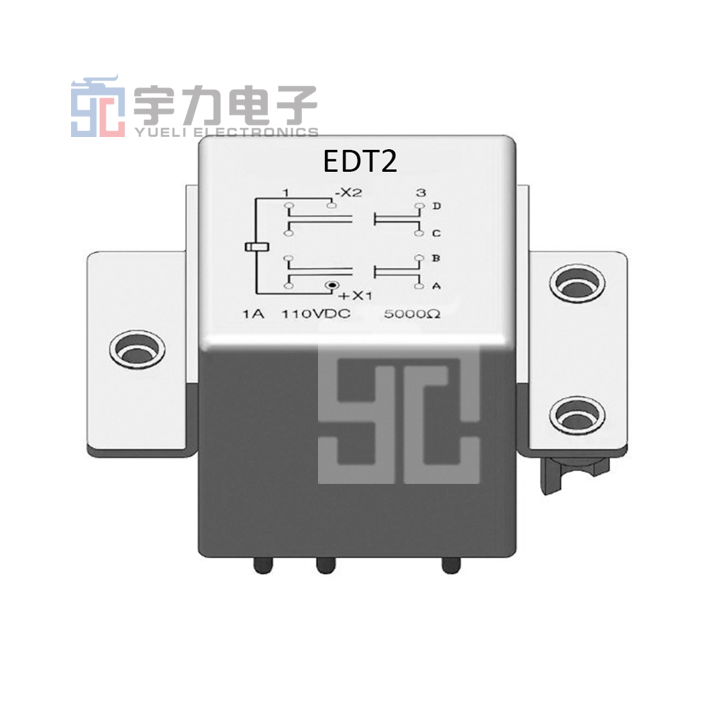
Sealed relays are a crucial element in the electronic components industry, especially in circuits where protection against environmental factors is essential. Unlike standard relays, sealed relays feature a hermetically sealed housing that prevents moisture, dust, and other contaminants from affecting their performance. This unique design makes them particularly suitable for applications in harsh environments, such as automotive, industrial automation, and telecommunications.
The primary function of a sealed relay is to control a circuit by opening or closing contacts in response to an electrical signal. When an electric current flows through the coil, it generates a magnetic field that moves an armature, either connecting or disconnecting the contacts. This simple yet effective mechanism allows sealed relays to manage high voltages and currents while ensuring reliable operation.
One of the standout benefits of sealed relays is their durability. The sealed enclosure protects the internal components from external damage, which significantly extends their lifespan compared to non-sealed alternatives. This reliability is critical in applications where failure is not an option, such as safety systems or mission-critical industrial processes. Additionally, sealed relays are designed to minimize the risk of arcing and contact welding, further enhancing their longevity and performance.
In terms of applications, sealed relays are widely used in various sectors. In automotive systems, for instance, they can be found in lighting control, ignition systems, and power distribution modules. The ability to withstand extreme temperatures and vibrations makes them ideal for use in vehicles. In industrial automation, sealed relays are often employed in control panels and machinery where dust and moisture can pose significant risks. Their robust design ensures they function consistently, even in challenging conditions.
Furthermore, sealed relays are also prevalent in consumer electronics, where they help manage power supply and signal routing effectively. Their compact design allows for easy integration into various devices without taking up much space, making them a favored choice among engineers and designers.
In summary, sealed relays play an essential role in the world of electronic components. Their ability to operate reliably in adverse conditions, combined with their longevity and versatility, makes them a vital component in numerous applications. Understanding the features and benefits of sealed relays can help engineers and designers make informed decisions when selecting components for their projects, ensuring optimal performance and reliability.
The primary function of a sealed relay is to control a circuit by opening or closing contacts in response to an electrical signal. When an electric current flows through the coil, it generates a magnetic field that moves an armature, either connecting or disconnecting the contacts. This simple yet effective mechanism allows sealed relays to manage high voltages and currents while ensuring reliable operation.
One of the standout benefits of sealed relays is their durability. The sealed enclosure protects the internal components from external damage, which significantly extends their lifespan compared to non-sealed alternatives. This reliability is critical in applications where failure is not an option, such as safety systems or mission-critical industrial processes. Additionally, sealed relays are designed to minimize the risk of arcing and contact welding, further enhancing their longevity and performance.
In terms of applications, sealed relays are widely used in various sectors. In automotive systems, for instance, they can be found in lighting control, ignition systems, and power distribution modules. The ability to withstand extreme temperatures and vibrations makes them ideal for use in vehicles. In industrial automation, sealed relays are often employed in control panels and machinery where dust and moisture can pose significant risks. Their robust design ensures they function consistently, even in challenging conditions.
Furthermore, sealed relays are also prevalent in consumer electronics, where they help manage power supply and signal routing effectively. Their compact design allows for easy integration into various devices without taking up much space, making them a favored choice among engineers and designers.
In summary, sealed relays play an essential role in the world of electronic components. Their ability to operate reliably in adverse conditions, combined with their longevity and versatility, makes them a vital component in numerous applications. Understanding the features and benefits of sealed relays can help engineers and designers make informed decisions when selecting components for their projects, ensuring optimal performance and reliability.
Previous:
Xi'an Yuli Electronic Technology Co., Ltd.
Whats App:+8618122061211

Message consultation
Note: Please leave your contact information and our professionals will contact you as soon as possible!