Welcome to the official website of Xi'an Yuli Electronic Technology Co., Ltd.


Understanding the Importance of Polarized Relays in Automation
2025-10-10
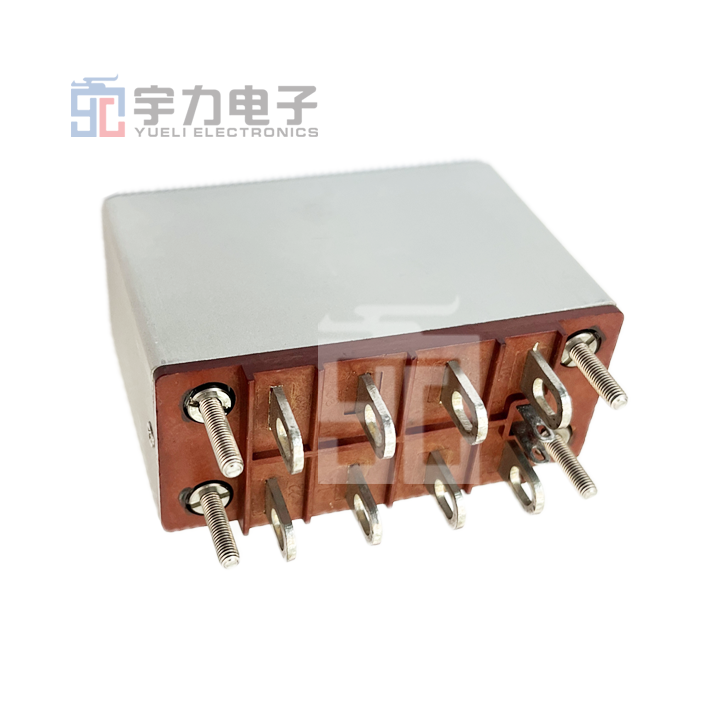
Understanding the Importance of Polarized Relays in Automation
Table of Contents
- 1. What are Polarized Relays?
- 2. How Polarized Relays Work
- 3. Key Features of Polarized Relays
- 4. Advantages of Using Polarized Relays in Automation
- 5. Common Applications of Polarized Relays
- 6. Comparative Analysis: Polarized vs. Non-Polarized Relays
- 7. Choosing the Right Polarized Relay for Your Automation Needs
- 8. Frequently Asked Questions About Polarized Relays
- 9. Conclusion
1. What are Polarized Relays?
Polarized relays are specialized electrical devices that use a magnetic field to operate. Unlike standard relays, which rely on simple electromagnetism, polarized relays employ permanent magnets to create a magnetic field. This innovation allows for more stable and precise operation, making them invaluable in various automation applications. Their primary function is to control the flow of electricity in a circuit, acting as a switch that opens or closes based on the electrical signal received.
2. How Polarized Relays Work
The operational mechanism of polarized relays involves a combination of electromagnetism and magnetic attraction. When an electrical current flows through the coil of the relay, it generates a magnetic field that interacts with the permanent magnet within the device. This interaction leads to the attraction or repulsion of the armature, which physically moves to either connect or disconnect the circuit. This process is highly efficient and ensures a quick response time, critical for automation systems.
3. Key Features of Polarized Relays
Several features distinguish polarized relays from their non-polarized counterparts. These include:
- Enhanced Stability: The presence of a permanent magnet provides consistent performance.
- Improved Sensitivity: Polarized relays can respond to smaller changes in voltage, making them suitable for delicate applications.
- Reduced Power Consumption: They require less energy to operate, which is a crucial factor in energy-efficient designs.
- Longer Lifespan: The reduced wear on components leads to a longer operational life, reducing maintenance costs.
4. Advantages of Using Polarized Relays in Automation
Incorporating polarized relays into automation systems offers numerous advantages:
4.1 Reliable Operation
Due to their unique design, polarized relays provide reliable performance even under fluctuating conditions, ensuring continuous operation in critical applications.
4.2 Versatility
These relays can be employed across a variety of automation systems, from simple home automation setups to complex industrial machines, showcasing their adaptability.
4.3 Safety Features
Polarized relays often come with built-in safety features that prevent accidental circuit closure, enhancing overall system safety.
5. Common Applications of Polarized Relays
Polarized relays find application in numerous industries, including:
5.1 Industrial Automation
In industrial settings, polarized relays control motors, sensors, and actuators, facilitating seamless operation. Their ability to handle high current loads makes them ideal for heavy machinery.
5.2 Home Automation
In residential applications, these relays enable the automation of lighting, HVAC systems, and security devices, enhancing convenience and energy efficiency.
5.3 Telecommunications
Polarized relays are utilized in telecommunications to manage signal routing and switching, ensuring clear and reliable communication channels.
6. Comparative Analysis: Polarized vs. Non-Polarized Relays
When deciding between polarized and non-polarized relays, it's important to understand their differences:
6.1 Operating Mechanism
Polarized relays utilize a permanent magnet, while non-polarized relays rely solely on electromagnetic induction. This difference affects their sensitivity and reliability.
6.2 Application Suitability
Polarized relays are better suited for applications requiring high sensitivity and stability, whereas non-polarized relays can suffice for simpler tasks.
6.3 Power Requirements
Polarized relays typically consume less power, making them more energy-efficient, which is a critical consideration in modern automation design.
7. Choosing the Right Polarized Relay for Your Automation Needs
Selecting the appropriate polarized relay involves evaluating several factors:
7.1 Load Requirements
Determine the load that the relay needs to handle, including voltage and current specifications, to ensure compatibility.
7.2 Response Time
Understand the required response time for your application. Polarized relays generally provide quicker response times, making them preferable in time-sensitive situations.
7.3 Environmental Conditions
Consider the operating environment, including temperature, humidity, and exposure to contaminants, to choose a relay designed for such conditions.
8. Frequently Asked Questions About Polarized Relays
8.1 What is the lifespan of a polarized relay?
The lifespan of a polarized relay can vary but is generally longer than non-polarized relays due to reduced mechanical wear.
8.2 Can polarized relays be used in AC applications?
Yes, polarized relays can be designed for both AC and DC applications, but it’s crucial to select the appropriate relay based on the specific requirements of the application.
8.3 How do I maintain polarized relays?
Regular inspection for signs of wear, ensuring clean connections, and avoiding overload conditions can help maintain the functionality of polarized relays.
8.4 Are polarized relays more expensive than non-polarized ones?
While polarized relays may have a higher upfront cost, their efficiency, durability, and reduced maintenance needs can lead to cost savings in the long run.
8.5 What industries benefit most from polarized relays?
Industries such as manufacturing, telecommunications, and home automation benefit significantly from the reliability and precision that polarized relays provide.
9. Conclusion
Polarized relays are an essential component in the realm of automation, offering enhanced stability, reliability, and efficiency. As industries continue to evolve, the significance of these devices grows, paving the way for innovations that rely on precise control mechanisms. By understanding their features, advantages, and applications, manufacturers and engineers can make informed decisions that improve operational efficiency and safety in automation systems. Investing in the right polarized relay can lead to long-term benefits, making them an invaluable asset in any modern automation setup.
Xi'an Yuli Electronic Technology Co., Ltd.
Whats App:+8618122061211

Message consultation
Note: Please leave your contact information and our professionals will contact you as soon as possible!