Welcome to the official website of Xi'an Yuli Electronic Technology Co., Ltd.


How to Optimize Electromagnetic Relay Performance in High-Load Conditions
2025-10-16
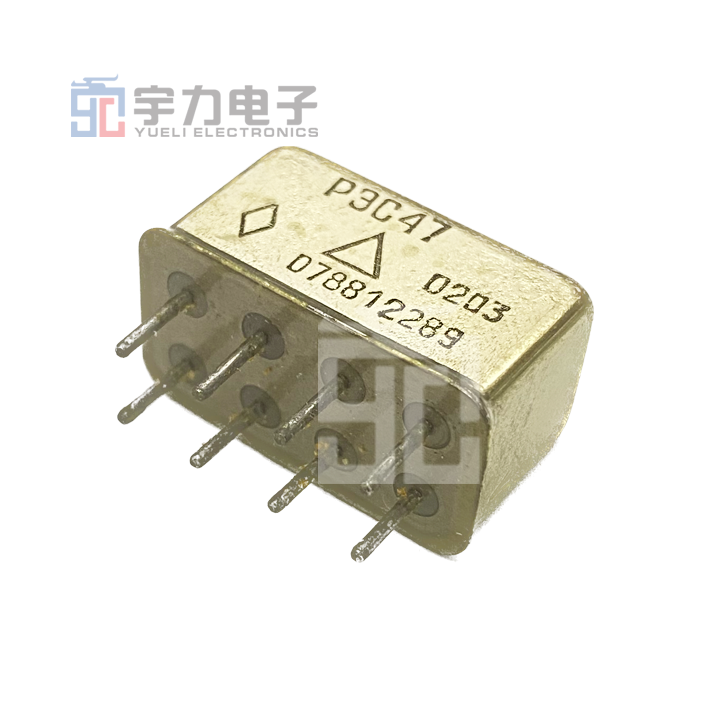
How to Optimize Electromagnetic Relay Performance in High-Load Conditions
Understanding Electromagnetic Relays
Electromagnetic relays are vital components in various electrical systems. They serve as switch mechanisms, allowing low-power signals to control high-power circuits safely. Their operation is based on electromagnetism, where an electric current generates a magnetic field, moving a lever or armature to open or close contacts. Understanding their function is crucial for optimizing performance, especially under high-load conditions.
Importance of Performance Optimization
Optimizing the performance of electromagnetic relays is essential in maintaining the reliability and longevity of electrical systems. High-load conditions can create excessive heat, mechanical stress, and electrical noise, affecting the relay's operation. Implementing effective optimization strategies can help prevent malfunctions, reduce maintenance costs, and ensure consistent performance.
Challenges Faced in High-Load Conditions
High-load conditions can present several challenges:
1. **Heat Generation**: Increased current flow leads to higher temperatures, risking damage to the relay.
2. **Contact Welding**: Prolonged high loads can cause contacts to weld together, making the relay inoperable.
3. **Electrical Noise**: High loads can produce electrical noise, which may interfere with the relay's operation and surrounding circuitry.
4. **Reduced Lifespan**: Frequent exposure to high loads can significantly shorten a relay's operational life.
Key Factors Influencing Relay Performance
To optimize the performance of electromagnetic relays under high-load conditions, consider the following factors:
1. Relay Selection
Choosing the right relay is the first step in optimization. Consider the following criteria:
- **Current and Voltage Ratings**: Ensure the relay can handle the expected load without exceeding its rated capacity.
- **Coil Voltage**: Match the coil voltage with the system voltage to ensure efficient operation.
- **Contact Configuration**: Select a configuration that suits the application, such as Normally Open (NO) or Normally Closed (NC) contacts.
2. Heat Management
Efficient heat management is crucial for maintaining relay performance. Here are some techniques:
- **Adequate Ventilation**: Ensure proper airflow around the relay to dissipate heat effectively.
- **Heat Sinks**: Use heat sinks or thermal pads to draw heat away from critical components.
- **Temperature Monitoring**: Implement temperature sensors to monitor relay heat levels continuously.
3. Electrical Noise Reduction
Reducing electrical noise can improve relay performance. Techniques include:
- **Filtering**: Use capacitors and inductors to filter out high-frequency noise from the supply lines.
- **Shielding**: Employ shielding techniques to protect relay circuits from electromagnetic interference (EMI).
- **Twisted Pair Wiring**: Utilize twisted pair cables for power and signal lines to minimize noise susceptibility.
4. Contact Maintenance
Regular maintenance of relay contacts is necessary for reliability:
- **Periodic Inspection**: Regularly inspect contacts for signs of wear, pitting, or welding.
- **Cleaning**: Use contact cleaners to remove oxidation and contaminants that can impede performance.
- **Contact Replacement**: Replace contacts that show significant wear to ensure optimal operation.
Testing and Monitoring Techniques
To ensure continued performance optimization, implement various testing and monitoring methods:
1. Load Testing
Conduct load tests to evaluate how well the relay handles different load conditions. This enables you to identify maximum operating limits and potential failure points.
2. Functional Testing
Perform regular functional tests to ensure that the relay operates correctly under various conditions. This might include checking response times and verifying contact integrity.
3. Remote Monitoring Systems
Invest in remote monitoring systems that can provide real-time data on relay performance, including temperature, load conditions, and operational status. This allows for proactive adjustments to be made before failures occur.
Advanced Techniques for Enhanced Performance
For those seeking maximum optimization, consider these advanced techniques:
1. Smart Relays
Smart relays come equipped with diagnostic features that can automatically monitor performance, detect abnormalities, and alert users to potential issues. Integrating these into your system can significantly enhance reliability.
2. Use of Solid-State Relays
In applications where electromagnetic relays struggle, consider using solid-state relays (SSRs). SSRs have no moving parts, leading to faster switching times, reduced noise, and improved durability under high-load conditions.
3. Employing Load Management Techniques
Implement load management strategies, such as staggered load distribution, to prevent sudden surges that can lead to relay stress. This can be particularly effective in large systems where multiple relays are in operation.
Best Practices for Relay Installation
Proper installation is fundamental for optimizing relay performance:
1. Secure Mounting
Ensure that relays are securely mounted to prevent vibrations that can lead to mechanical failure over time.
2. Correct Wiring Practices
Follow best practices for wiring, including:
- **Minimize Lengths**: Keep wire lengths as short as possible to reduce resistance and electromagnetic interference.
- **Color Coding**: Use color-coded wires for easy identification of connections.
3. Follow Manufacturer Guidelines
Always adhere to the manufacturer’s installation and operational guidelines to ensure optimal performance.
FAQs About Optimizing Electromagnetic Relay Performance
1. What is the ideal load for an electromagnetic relay?
The ideal load for an electromagnetic relay varies based on its specifications, but it should always remain below the manufacturer's rated maximum to prevent damage.
2. How often should I perform maintenance on electromagnetic relays?
Maintenance frequency depends on usage conditions but typically, it is recommended to inspect relays every six months for high-load applications.
3. Can I use an electromagnetic relay in a high-temperature environment?
Yes, but ensure the relay is rated for high-temperature operations and implement heat management strategies to prevent overheating.
4. What are the signs of relay failure?
Signs of relay failure can include overheating, unusual noises, frequent trips, and failure to operate under load.
5. How can I reduce electrical noise in relay circuits?
You can reduce electrical noise by using filtering components, shielding, and twisted pair wiring.
Conclusion
Optimizing the performance of electromagnetic relays in high-load conditions is critical for ensuring reliable operation in electrical systems. By selecting the right relays, managing heat, reducing electrical noise, maintaining contacts, and employing advanced techniques, we can significantly enhance performance and longevity. Regular testing, monitoring, and following best installation practices further solidify the foundation for optimal relay operation. With these strategies in place, we can confidently navigate the challenges of high-load environments and ensure uninterrupted functionality.
Xi'an Yuli Electronic Technology Co., Ltd.
Whats App:+8618122061211

Message consultation
Note: Please leave your contact information and our professionals will contact you as soon as possible!