Welcome to the official website of Xi'an Yuli Electronic Technology Co., Ltd.


Understanding Sealed Relays: A Comprehensive Guide for Professionals
2025-10-19
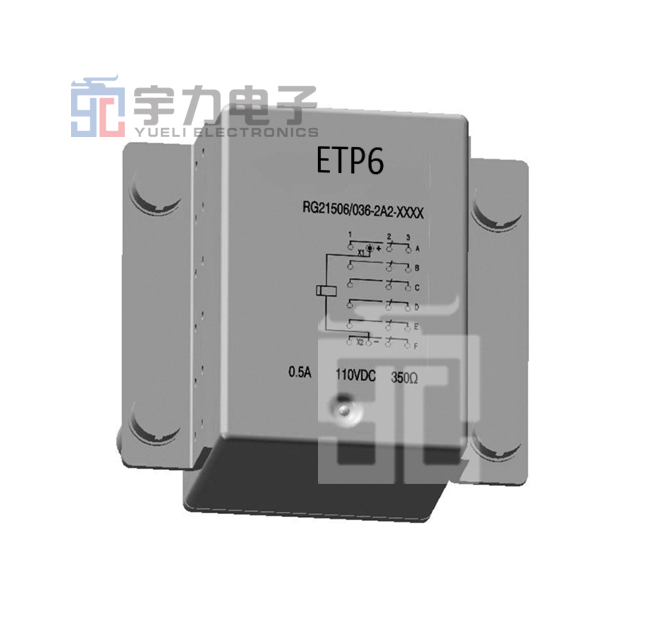
Sealed relays are essential components in many electronic systems, offering protection and reliability in various applications. These relays are designed to operate in harsh environments, thanks to their encapsulated construction that safeguards internal mechanisms from dust, moisture, and other contaminants. This feature is crucial for ensuring the longevity and performance of the relay in diverse settings.
One of the primary advantages of sealed relays is their ability to function effectively in extreme temperatures and challenging environmental conditions. The sealing prevents the ingress of environmental factors that could compromise the relay's operation or lead to premature failure. Therefore, industries such as automotive, aerospace, and industrial automation frequently employ sealed relays to maintain system integrity.
When selecting a sealed relay, it is essential to consider several factors, including voltage and current ratings, coil resistance, and contact configuration. Understanding the specific requirements of your application will help you choose the right relay to ensure optimal performance. Moreover, sealed relays often feature various coil voltages, which can be customized to meet the needs of different systems.
The construction of sealed relays typically involves materials that provide excellent insulation and thermal resistance. This ensures that they can handle the electrical loads required in many applications without risk of overheating or failure. Additionally, sealed relays often have a longer lifespan compared to their non-sealed counterparts, making them a cost-effective choice in the long run.
Sealed relays are also known for their quick switching capabilities, enabling them to handle high-speed operations without any lag. This characteristic is particularly beneficial in applications where timing is critical, such as in automated systems or in circuit protection mechanisms.
In terms of installation, sealed relays can be easily integrated into existing systems due to their standardized sizes and configurations. Many manufacturers provide detailed specifications and installation guides, further simplifying the integration process for engineers and technicians.
While sealed relays are known for their reliability, it is essential to conduct regular maintenance checks to ensure they are functioning optimally. Monitoring the performance of these relays can help identify potential issues before they result in system failures.
In conclusion, sealed relays are vital components in the realm of electronic devices, offering numerous benefits such as protection from environmental factors, enhanced durability, and superior performance in demanding applications. Understanding the key features and considerations for selecting sealed relays can significantly impact the efficiency and reliability of your electronic systems. Whether you're involved in designing new circuits or maintaining existing ones, incorporating sealed relays can lead to improved operational outcomes.
One of the primary advantages of sealed relays is their ability to function effectively in extreme temperatures and challenging environmental conditions. The sealing prevents the ingress of environmental factors that could compromise the relay's operation or lead to premature failure. Therefore, industries such as automotive, aerospace, and industrial automation frequently employ sealed relays to maintain system integrity.
When selecting a sealed relay, it is essential to consider several factors, including voltage and current ratings, coil resistance, and contact configuration. Understanding the specific requirements of your application will help you choose the right relay to ensure optimal performance. Moreover, sealed relays often feature various coil voltages, which can be customized to meet the needs of different systems.
The construction of sealed relays typically involves materials that provide excellent insulation and thermal resistance. This ensures that they can handle the electrical loads required in many applications without risk of overheating or failure. Additionally, sealed relays often have a longer lifespan compared to their non-sealed counterparts, making them a cost-effective choice in the long run.
Sealed relays are also known for their quick switching capabilities, enabling them to handle high-speed operations without any lag. This characteristic is particularly beneficial in applications where timing is critical, such as in automated systems or in circuit protection mechanisms.
In terms of installation, sealed relays can be easily integrated into existing systems due to their standardized sizes and configurations. Many manufacturers provide detailed specifications and installation guides, further simplifying the integration process for engineers and technicians.
While sealed relays are known for their reliability, it is essential to conduct regular maintenance checks to ensure they are functioning optimally. Monitoring the performance of these relays can help identify potential issues before they result in system failures.
In conclusion, sealed relays are vital components in the realm of electronic devices, offering numerous benefits such as protection from environmental factors, enhanced durability, and superior performance in demanding applications. Understanding the key features and considerations for selecting sealed relays can significantly impact the efficiency and reliability of your electronic systems. Whether you're involved in designing new circuits or maintaining existing ones, incorporating sealed relays can lead to improved operational outcomes.
Xi'an Yuli Electronic Technology Co., Ltd.
Whats App:+8618122061211

Message consultation
Note: Please leave your contact information and our professionals will contact you as soon as possible!