Welcome to the official website of Xi'an Yuli Electronic Technology Co., Ltd.


The Advantages of Using Miniature Relays in Automotive Electronics
2025-10-18
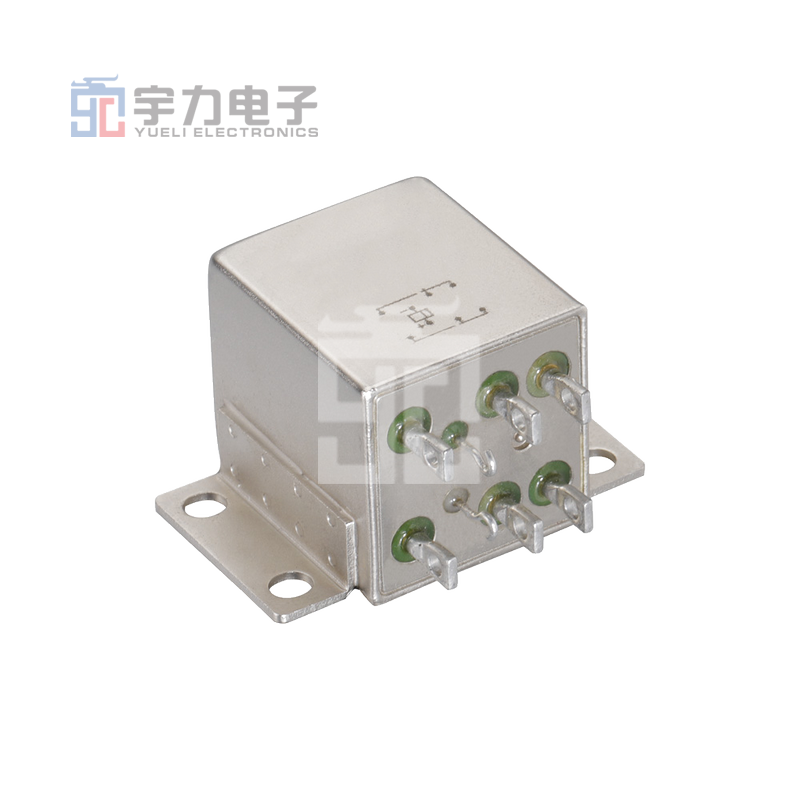
The Advantages of Using Miniature Relays in Automotive Electronics
Table of Contents
- 1. Introduction to Miniature Relays
- 2. What are Miniature Relays?
- 3. Importance of Miniature Relays in Automotive Electronics
- 4. Key Advantages of Miniature Relays
- 4.1 Space-Saving Design
- 4.2 Enhanced Reliability
- 4.3 Energy Efficiency
- 4.4 Cost-Effectiveness
- 4.5 Versatile Automotive Applications
- 5. Future Trends in Miniature Relays for Automotive Applications
- 6. Choosing the Right Miniature Relay
- 7. Frequently Asked Questions
- 8. Conclusion
1. Introduction to Miniature Relays
In the fast-evolving world of automotive electronics, miniature relays stand out as pivotal components. These compact devices play a crucial role in managing electrical circuits, ensuring reliability, and optimizing the performance of various automotive systems. As vehicles become more sophisticated, understanding the advantages of using miniature relays is essential for manufacturers and consumers alike.
2. What are Miniature Relays?
Miniature relays are small electromechanical switches that use an electromagnetic coil to open or close contacts. They facilitate the control of high-power circuits with low-power signals, making them ideal for automotive applications where space and reliability are paramount. Typically, miniature relays are designed to handle currents ranging from a few milliamperes to several amperes.
3. Importance of Miniature Relays in Automotive Electronics
The automotive industry relies on a myriad of electronic components to enhance safety, comfort, and efficiency. Miniature relays contribute significantly to these advancements by enabling precise control of various systems such as lighting, heating, and power distribution. Their importance cannot be overstated, as they help streamline operations and improve overall vehicle functionality.
4. Key Advantages of Miniature Relays
4.1 Space-Saving Design
One of the most significant advantages of miniature relays is their compact size. In modern vehicles, where every inch of space counts, these small components can be easily integrated into various systems without occupying excessive room. This space-saving design allows manufacturers to optimize layouts and incorporate additional features, thereby enhancing the overall design of the vehicle.
4.2 Enhanced Reliability
Miniature relays are engineered for durability and reliability. Their robust construction ensures they can withstand the harsh conditions often encountered in automotive environments, such as extreme temperatures, vibrations, and moisture. This resilience translates to fewer failures and reduced maintenance costs, making them a dependable choice for automotive applications.
4.3 Energy Efficiency
With the increasing focus on sustainability and reducing emissions, energy efficiency is more critical than ever. Miniature relays contribute to this goal by efficiently managing electrical loads. They minimize energy loss, ensuring that power is used effectively throughout the vehicle. By controlling high-power devices with low-power signals, these relays help optimize battery performance and extend vehicle range.
4.4 Cost-Effectiveness
In addition to their functional advantages, miniature relays are cost-effective solutions for automotive manufacturers. Their simple design and ease of integration can lead to lower production costs. Furthermore, the reliability and longevity of these relays reduce the likelihood of costly repairs or replacements, providing long-term savings for both manufacturers and consumers.
4.5 Versatile Automotive Applications
Miniature relays are not limited to a single application; they serve various functions within a vehicle. From controlling headlights and turn signals to managing power windows and seats, their versatility makes them indispensable. As automotive technology continues to advance, the range of applications for miniature relays is likely to expand, further solidifying their role in modern vehicles.
5. Future Trends in Miniature Relays for Automotive Applications
As the automotive industry progresses towards electric and autonomous vehicles, the demand for advanced electronic components, including miniature relays, is expected to rise. Innovations in materials and technologies will likely enhance the performance of these relays, making them even more efficient and reliable. We anticipate that future miniature relays will feature improved thermal management, higher current ratings, and greater resistance to environmental factors.
6. Choosing the Right Miniature Relay
Selecting the appropriate miniature relay for a specific automotive application involves considering several factors. Key criteria include:
- **Current and Voltage Ratings**: Ensure the relay can handle the required electrical load.
- **Coil Voltage**: Choose a relay with a coil voltage that matches the vehicle's electrical system.
- **Form Factor**: Consider the physical size and mounting options based on the vehicle's design.
- **Environmental Resistance**: Select relays designed to withstand the conditions typical in automotive environments, such as temperature extremes and humidity.
- **Contact Configuration**: Determine whether a normally open, normally closed, or changeover contact configuration best suits the application.
By paying attention to these factors, manufacturers and automotive engineers can ensure they select the most suitable miniature relay for their needs.
7. Frequently Asked Questions
What is the primary function of a miniature relay in automotive electronics?
Miniature relays primarily serve to control high-power circuits using low-power signals, facilitating the operation of various electrical components in vehicles.
How do miniature relays differ from standard relays?
Miniature relays are smaller and designed for applications where space is limited. They typically have lower current and voltage ratings compared to standard relays.
Are miniature relays reliable in harsh automotive environments?
Yes, miniature relays are built to withstand harsh conditions, including extreme temperatures, vibrations, and moisture, making them a reliable choice for automotive applications.
What types of applications commonly use miniature relays in vehicles?
Miniature relays are used in various applications such as controlling lighting systems, power windows, seat adjustments, and other electronic conveniences in vehicles.
How can I ensure the longevity of miniature relays in automotive applications?
To ensure longevity, choose relays that meet the specific electrical and environmental requirements of the application, and perform regular maintenance checks to identify and address any potential issues early.
8. Conclusion
In conclusion, **miniature relays** are integral components in the realm of automotive electronics, providing numerous advantages such as space-saving designs, enhanced reliability, energy efficiency, cost-effectiveness, and versatility in applications. As vehicles continue to evolve, the importance of these compact relays will only grow. By understanding their benefits and applications, manufacturers and consumers can make informed decisions, paving the way for more advanced and efficient automotive technologies in the future.
Xi'an Yuli Electronic Technology Co., Ltd.
Whats App:+8618122061211

Message consultation
Note: Please leave your contact information and our professionals will contact you as soon as possible!