Welcome to the official website of Xi'an Yuli Electronic Technology Co., Ltd.


The Ultimate Guide to Understanding the Differences Between Electromechanical and Solid-State Three Phase Contactors
2025-10-26
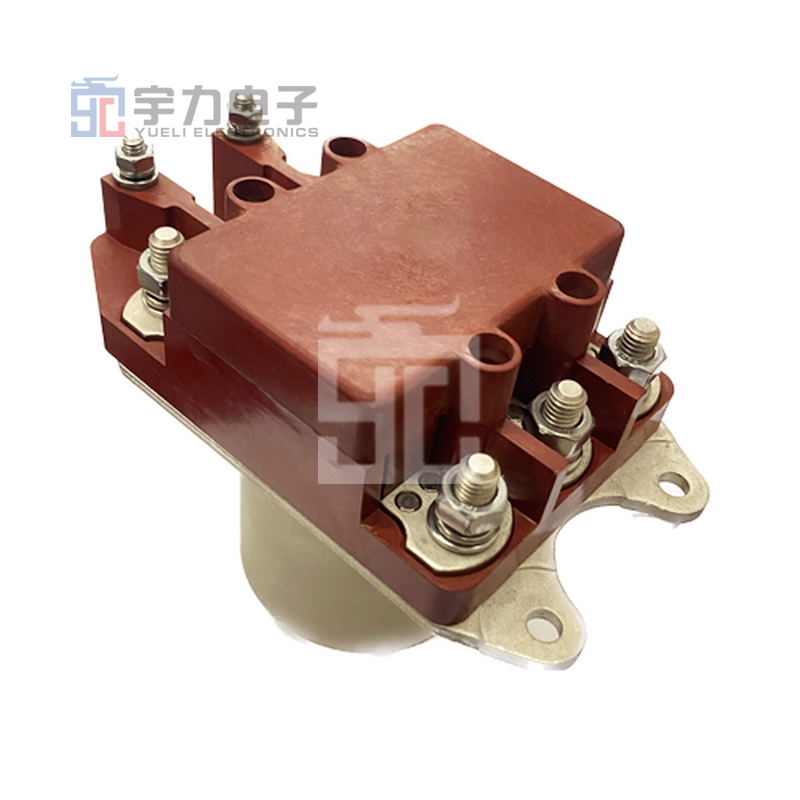
The Ultimate Guide to Understanding the Differences Between Electromechanical and Solid-State Three Phase Contactors
Table of Contents
1. Introduction to Three Phase Contactors
2. Overview of Electromechanical Contactors
2.1 Construction and Components
2.2 How Electromechanical Contactors Operate
2.3 Advantages of Electromechanical Contactors
2.4 Disadvantages of Electromechanical Contactors
3. Overview of Solid-State Contactors
3.1 Construction and Components
3.2 How Solid-State Contactors Operate
3.3 Advantages of Solid-State Contactors
3.4 Disadvantages of Solid-State Contactors
4. Key Differences Between Electromechanical and Solid-State Contactors
5. Applications and Use Cases
6. Conclusion
7. Frequently Asked Questions (FAQs)
1. Introduction to Three Phase Contactors
Three phase contactors are crucial components in electrical systems, enabling the control of high-voltage and high-current circuits effectively. They serve as switches that manage the flow of electrical power, enhancing automation in various industrial applications. Understanding the differences between electromechanical and solid-state contactors is essential for selecting the right type for specific needs.
2. Overview of Electromechanical Contactors
Electromechanical contactors have been widely used in electrical applications for decades. Their design consists of mechanical parts, including coils and contacts, which allow them to function effectively in a variety of environments.
2.1 Construction and Components
Electromechanical contactors typically comprise the following key components:
- **Coil**: The electromagnetic coil creates a magnetic field when energized, attracting the armature.
- **Armature**: A movable part that opens or closes the contacts in response to the magnetic field.
- **Contacts**: Conductive components that establish or interrupt electrical connections.
- **Enclosure**: A protective casing that shields the internal components from environmental factors.
2.2 How Electromechanical Contactors Operate
When a voltage is applied to the coil, it generates a magnetic field that draws the armature towards it. This motion causes the contacts to either close (allowing current to flow) or open (interrupting the circuit). The operation is inherently mechanical, relying on physical movement to switch the circuit states.
2.3 Advantages of Electromechanical Contactors
Electromechanical contactors offer several advantages, including:
- **Robustness**: Designed to handle high current loads, making them suitable for demanding applications.
- **Simplicity**: Their straightforward operation and design lead to ease of installation and maintenance.
- **Cost-Effectiveness**: Generally more affordable than solid-state alternatives, particularly for basic applications.
2.4 Disadvantages of Electromechanical Contactors
Despite their benefits, electromechanical contactors have some downsides:
- **Wear and Tear**: Mechanical parts are prone to wear over time, leading to potential failures.
- **Arcing**: The physical contact can create electrical arcs, causing contact degradation.
- **Response Time**: Slower switching speeds compared to solid-state devices.
3. Overview of Solid-State Contactors
Solid-state contactors represent a more modern approach to controlling electrical circuits. They utilize semiconductor devices to perform switching functions without the need for moving parts.
3.1 Construction and Components
Key components of solid-state contactors include:
- **Semiconductor Devices**: Typically made of silicon, these components handle the flow of electricity.
- **Control Circuit**: Manages the operation of the semiconductor devices, ensuring they turn on and off as needed.
- **Heat Sink**: Dissipates heat generated during operation, preventing damage to the components.
3.2 How Solid-State Contactors Operate
Solid-state contactors operate by using semiconductor technology to create or interrupt an electrical circuit. When a control signal is applied, the semiconductor devices change their state, either allowing current to flow or blocking it. This process occurs almost instantaneously, providing fast and reliable operation.
3.3 Advantages of Solid-State Contactors
The benefits of solid-state contactors include:
- **Durability**: With no moving parts, they are less prone to mechanical failure.
- **Fast Switching**: Capable of switching at high frequencies, making them ideal for automation applications.
- **Reduced Noise**: They operate silently, as there are no mechanical parts or arcing sounds.
3.4 Disadvantages of Solid-State Contactors
However, solid-state contactors also have their drawbacks:
- **Cost**: Generally more expensive than electromechanical contactors, which can be a consideration for budget-sensitive projects.
- **Heat Generation**: They can produce significant heat, necessitating proper heat management solutions.
- **Voltage Ratings**: Some models may not handle as high voltage or current ratings as their electromechanical counterparts.
4. Key Differences Between Electromechanical and Solid-State Contactors
Understanding the primary differences between electromechanical and solid-state contactors is crucial for making informed decisions:
- **Operation**: Electromechanical contactors rely on mechanical movement, while solid-state contactors use semiconductors.
- **Speed**: Solid-state contactors provide faster switching times compared to electromechanical types.
- **Durability**: Without moving parts, solid-state contactors are generally more durable and have longer lifespans.
- **Price**: Electromechanical contactors are typically less expensive, making them more accessible for basic applications.
- **Arcing and Wear**: Electromechanical contactors may experience contact wear and arcing, while solid-state counterparts do not.
5. Applications and Use Cases
Choosing the right type of contactor depends on the specific application requirements. Here are some common scenarios for both types:
**Electromechanical Contactors:**
- Motor control applications, where robust switching is needed.
- HVAC systems, for controlling larger electrical loads.
- General-purpose switching in industrial settings.
**Solid-State Contactors:**
- Automation systems requiring rapid switching and high reliability.
- Applications in environments with high cycles or frequent switching.
- Situations where noise reduction is critical, such as in residential or commercial settings.
6. Conclusion
Both electromechanical and solid-state three-phase contactors play vital roles in modern electrical systems. Understanding their differences helps in selecting the proper device for your application. Electromechanical contactors offer robustness and cost-effectiveness, while solid-state contactors provide durability, speed, and quiet operation. By considering the specific requirements of your system, you can make an informed decision that optimizes performance, efficiency, and longevity.
7. Frequently Asked Questions (FAQs)
What is the primary function of a three-phase contactor?
Three-phase contactors are used to control the flow of electrical power in three-phase circuits, enabling the switching of high voltage and high current loads.
How do I know which type of contactor to select?
Consider factors such as voltage and current ratings, application requirements, switching frequency, and budget constraints when choosing between electromechanical and solid-state contactors.
Are solid-state contactors suitable for high-current applications?
Yes, but it's essential to check the specifications for current handling, as some models may have limitations compared to electromechanical contactors.
Do solid-state contactors require maintenance?
Solid-state contactors generally require less maintenance than electromechanical contactors, but it’s important to monitor their operating temperature and ensure proper heat dissipation.
Can I replace electromechanical contactors with solid-state contactors directly?
In many cases, yes, but you should verify compatibility regarding voltage, current, and other application-specific requirements before making the switch.
Xi'an Yuli Electronic Technology Co., Ltd.
Whats App:+8618122061211

Message consultation
Note: Please leave your contact information and our professionals will contact you as soon as possible!