Welcome to the official website of Xi'an Yuli Electronic Technology Co., Ltd.


Understanding Electromagnetic Contactors: Essential Insights for Professionals
2025-10-27
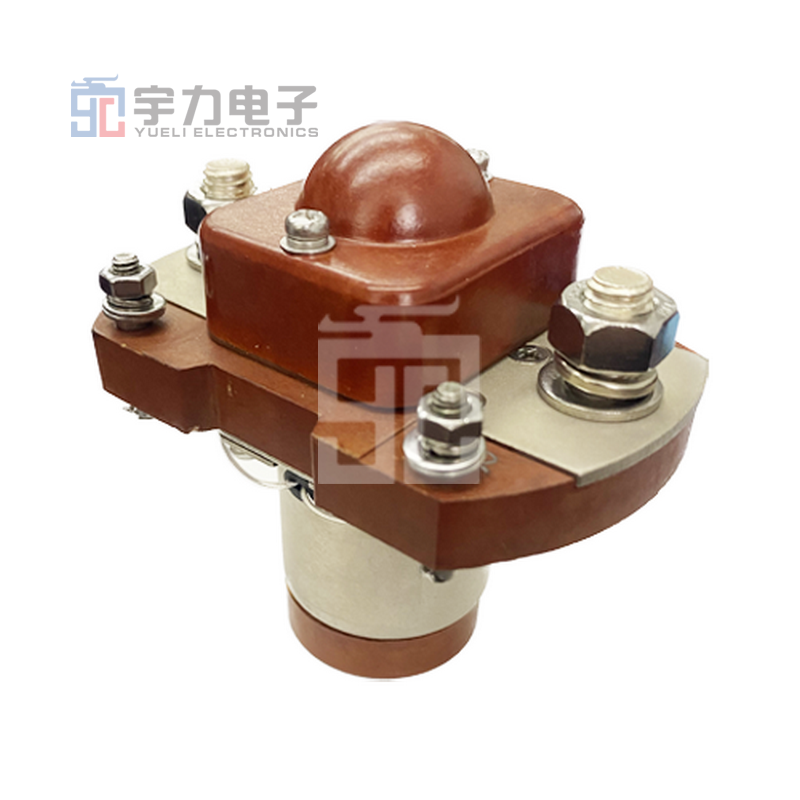
Electromagnetic contactors serve as vital components in electrical systems, enabling the control of high voltage and high current circuits. They function as electrically operated switches, allowing for the efficient control of motors, lighting systems, and various machinery. Understanding how these devices operate is essential for professionals in the electronic components industry, particularly those dealing with contractors.
At the core of an electromagnetic contactor is its coil, which generates a magnetic field when energized. This magnetic field attracts a movable armature, which in turn closes the contacts that complete the circuit. When the coil is de-energized, the armature returns to its original position, opening the contacts and interrupting the current flow. This mechanism allows for safe and reliable switching in demanding environments.
One of the primary advantages of using electromagnetic contactors is their ability to handle large electrical loads without significant wear or damage. This durability makes them ideal for applications that require frequent on-off cycling, such as motor control. Additionally, contactors can be equipped with various auxiliary contacts that provide feedback and control options, enhancing their functionality in complex systems.
When selecting an electromagnetic contactor, professionals should consider several critical factors. Firstly, the electrical ratings, including voltage and current capacity, must match the application's requirements. It is also essential to evaluate the contact configuration, which can be normally open, normally closed, or a combination of both, depending on the intended use.
Moreover, the operational environment plays a significant role in the selection process. Factors such as ambient temperature, humidity, and exposure to dust or corrosive substances should influence the choice of contactor. For instance, in harsh environments, it may be prudent to select contactors with sealed enclosures or those rated for specific environmental conditions.
Another aspect to consider is the control circuit voltage. Electromagnetic contactors can operate on various voltages, and selecting the appropriate voltage ensures efficient operation without compromising performance. Additionally, the inclusion of overload relays and protection circuits can further enhance the safety and reliability of the entire system.
In summary, electromagnetic contactors are indispensable components in the electronic components industry, providing effective control for high-power applications. Understanding their operational principles, selection criteria, and potential applications equips professionals with the knowledge needed to optimize their projects and ensure reliable system performance. By considering these factors, engineers can make informed choices that enhance safety, efficiency, and longevity in their electrical systems.
At the core of an electromagnetic contactor is its coil, which generates a magnetic field when energized. This magnetic field attracts a movable armature, which in turn closes the contacts that complete the circuit. When the coil is de-energized, the armature returns to its original position, opening the contacts and interrupting the current flow. This mechanism allows for safe and reliable switching in demanding environments.
One of the primary advantages of using electromagnetic contactors is their ability to handle large electrical loads without significant wear or damage. This durability makes them ideal for applications that require frequent on-off cycling, such as motor control. Additionally, contactors can be equipped with various auxiliary contacts that provide feedback and control options, enhancing their functionality in complex systems.
When selecting an electromagnetic contactor, professionals should consider several critical factors. Firstly, the electrical ratings, including voltage and current capacity, must match the application's requirements. It is also essential to evaluate the contact configuration, which can be normally open, normally closed, or a combination of both, depending on the intended use.
Moreover, the operational environment plays a significant role in the selection process. Factors such as ambient temperature, humidity, and exposure to dust or corrosive substances should influence the choice of contactor. For instance, in harsh environments, it may be prudent to select contactors with sealed enclosures or those rated for specific environmental conditions.
Another aspect to consider is the control circuit voltage. Electromagnetic contactors can operate on various voltages, and selecting the appropriate voltage ensures efficient operation without compromising performance. Additionally, the inclusion of overload relays and protection circuits can further enhance the safety and reliability of the entire system.
In summary, electromagnetic contactors are indispensable components in the electronic components industry, providing effective control for high-power applications. Understanding their operational principles, selection criteria, and potential applications equips professionals with the knowledge needed to optimize their projects and ensure reliable system performance. By considering these factors, engineers can make informed choices that enhance safety, efficiency, and longevity in their electrical systems.
Xi'an Yuli Electronic Technology Co., Ltd.
Whats App:+8618122061211

Message consultation
Note: Please leave your contact information and our professionals will contact you as soon as possible!