Welcome to the official website of Xi'an Yuli Electronic Technology Co., Ltd.


Understanding DC Contactors: Essential Components for Efficient Circuit Control
2025-10-29
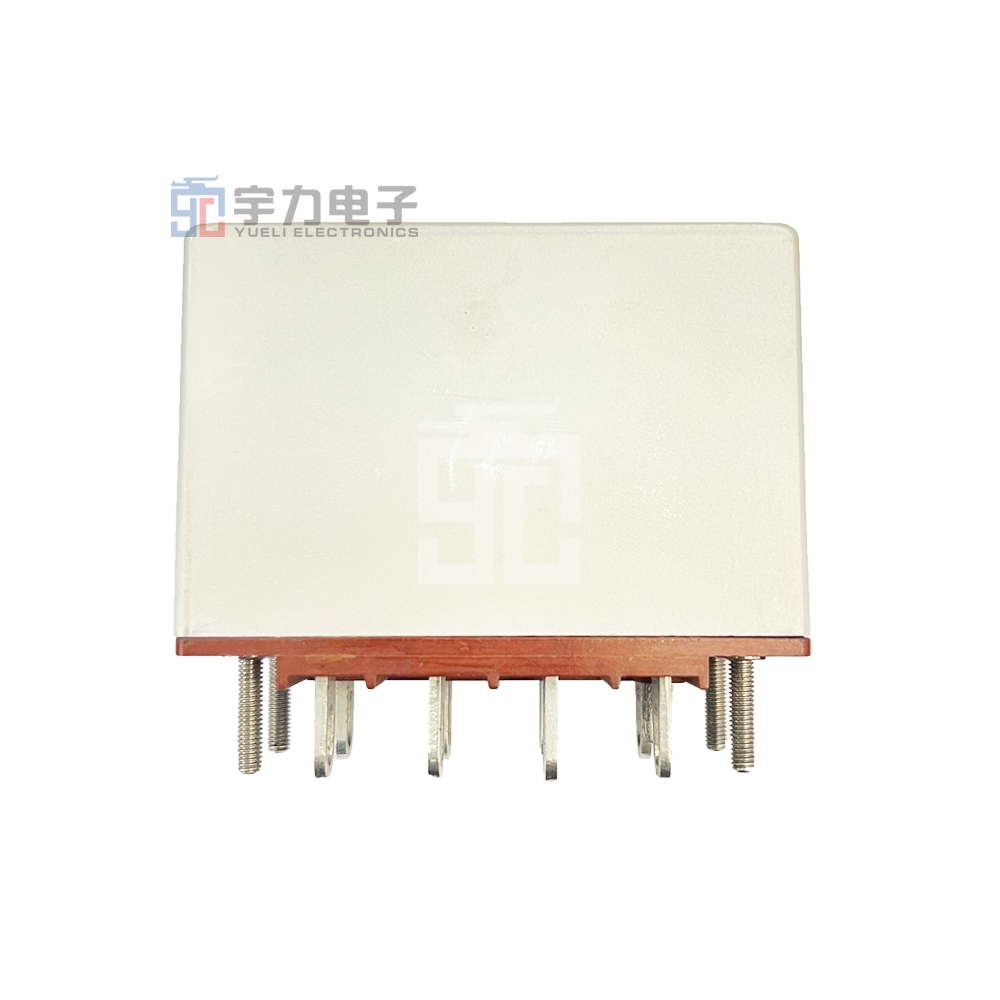
DC contactors play a crucial role in various electrical applications, particularly in controlling high-power circuits. Unlike traditional relays, DC contactors are designed specifically for direct current applications, ensuring reliable operation and efficiency. Understanding the functionality, types, and applications of DC contactors is vital for anyone involved in the electronics industry.
At their core, DC contactors function as electrically operated switches that allow for the control of high voltage and high current loads. When a voltage is applied to the coil of the contactor, it creates a magnetic field that pulls the contacts together, completing the circuit and enabling the flow of electricity. This mechanism makes DC contactors ideal for applications where remote control of electrical loads is necessary, such as in motors, lighting systems, and heating devices.
One of the critical advantages of using DC contactors is their ability to handle in-rush currents. In various applications, starting an electric motor or switching on a large load can cause a significant surge in current, which could potentially damage traditional switching devices. DC contactors are designed to withstand these surges, ensuring longevity and reliability in demanding environments.
There are several types of DC contactors available on the market, each suited to different applications. For instance, magnetic DC contactors are commonly used in industrial settings due to their robust construction and ability to handle substantial loads. On the other hand, mini DC contactors are more suitable for smaller applications, such as in HVAC systems and small machinery, where space and size constraints are a concern.
In addition to their robustness, safety features in DC contactors are also a significant consideration. Many models come equipped with built-in protection mechanisms, such as thermal overload protection and arc suppression systems, which enhance their safety profile while in operation. This is particularly important in industrial environments where the risk of electrical hazards is higher.
Moreover, the installation and maintenance of DC contactors are generally straightforward, making them a popular choice among engineers and technicians. Proper installation ensures optimal performance and reliability, while regular maintenance can prevent issues that may arise from wear and tear over time.
In conclusion, DC contactors are indispensable components in the realm of circuit control and automation. Their ability to manage high power loads, withstand in-rush currents, and offer safety features makes them a preferred choice for various applications. Whether you are involved in industrial automation, HVAC systems, or any high-current applications, understanding DC contactors and their functionalities can significantly enhance the efficiency and reliability of your electrical systems.
At their core, DC contactors function as electrically operated switches that allow for the control of high voltage and high current loads. When a voltage is applied to the coil of the contactor, it creates a magnetic field that pulls the contacts together, completing the circuit and enabling the flow of electricity. This mechanism makes DC contactors ideal for applications where remote control of electrical loads is necessary, such as in motors, lighting systems, and heating devices.
One of the critical advantages of using DC contactors is their ability to handle in-rush currents. In various applications, starting an electric motor or switching on a large load can cause a significant surge in current, which could potentially damage traditional switching devices. DC contactors are designed to withstand these surges, ensuring longevity and reliability in demanding environments.
There are several types of DC contactors available on the market, each suited to different applications. For instance, magnetic DC contactors are commonly used in industrial settings due to their robust construction and ability to handle substantial loads. On the other hand, mini DC contactors are more suitable for smaller applications, such as in HVAC systems and small machinery, where space and size constraints are a concern.
In addition to their robustness, safety features in DC contactors are also a significant consideration. Many models come equipped with built-in protection mechanisms, such as thermal overload protection and arc suppression systems, which enhance their safety profile while in operation. This is particularly important in industrial environments where the risk of electrical hazards is higher.
Moreover, the installation and maintenance of DC contactors are generally straightforward, making them a popular choice among engineers and technicians. Proper installation ensures optimal performance and reliability, while regular maintenance can prevent issues that may arise from wear and tear over time.
In conclusion, DC contactors are indispensable components in the realm of circuit control and automation. Their ability to manage high power loads, withstand in-rush currents, and offer safety features makes them a preferred choice for various applications. Whether you are involved in industrial automation, HVAC systems, or any high-current applications, understanding DC contactors and their functionalities can significantly enhance the efficiency and reliability of your electrical systems.
Xi'an Yuli Electronic Technology Co., Ltd.
Whats App:+8618122061211

Message consultation
Note: Please leave your contact information and our professionals will contact you as soon as possible!