Welcome to the official website of Xi'an Yuli Electronic Technology Co., Ltd.


Electromagnetic Relays in Industrial Controls: A Comprehensive Guide
2025-10-30
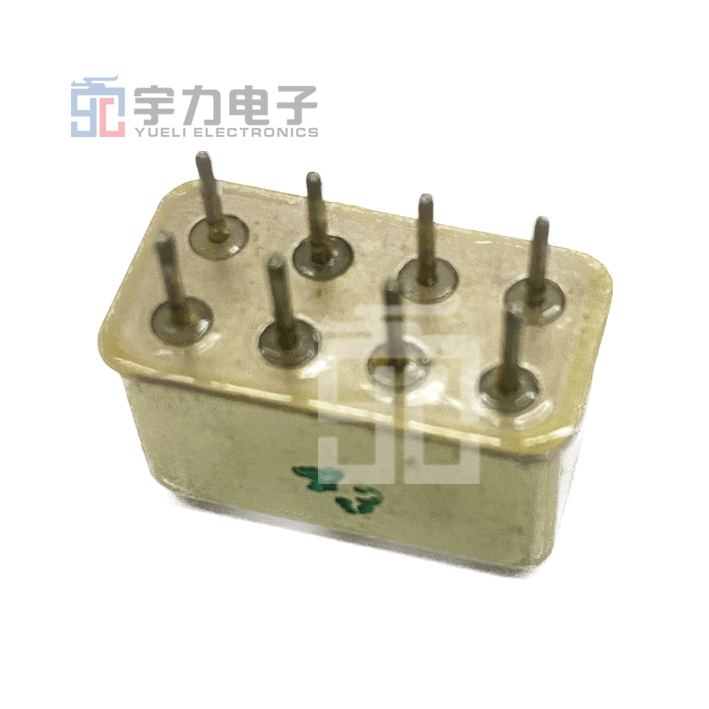
Electromagnetic Relays in Industrial Controls: A Comprehensive Guide
Table of Contents
- What is an Electromagnetic Relay?
- How Do Electromagnetic Relays Work?
- Types of Electromagnetic Relays
- Applications of Electromagnetic Relays in Industrial Controls
- Advantages of Using Electromagnetic Relays
- Selecting the Right Electromagnetic Relay
- Troubleshooting and Maintenance of Electromagnetic Relays
- The Future of Electromagnetic Relays in Industrial Applications
- Frequently Asked Questions (FAQs)
What is an Electromagnetic Relay?
Electromagnetic relays are integral components in industrial control systems, acting as switches that open or close circuits when an electrical signal is applied. Essentially, these devices enable the control of high-power circuits through low-power signals, making them essential for automation and control processes.
How Do Electromagnetic Relays Work?
The operation of electromagnetic relays is based on electromagnetic principles. When an electric current flows through the coil of the relay, it creates a magnetic field. This magnetic field attracts a movable armature, which in turn opens or closes the contacts associated with the relay. The simplicity of this mechanism allows for rapid switching, making electromagnetic relays highly efficient and reliable in industrial applications.
Types of Electromagnetic Relays
Understanding the different types of electromagnetic relays is crucial for selecting the appropriate one for specific applications. Here are the primary types:
General-Purpose Relays
General-purpose relays, as the name implies, are versatile and commonly used for various switching tasks in industrial controls. They can handle multiple types of loads and are typically employed in automation systems, motor control, and lighting control.
Time Delay Relays
Time delay relays introduce a delay in the activation or deactivation of the circuit. This feature is particularly useful in applications where time-based control is required, such as starting a motor after a predetermined delay or ensuring that a system does not restart immediately after a power failure.
Latching Relays
Latching relays maintain their position after the initial activation, allowing them to remain in the "on" or "off" state without continuous power supply. This feature is beneficial in applications where power conservation is essential, such as battery-operated devices.
Applications of Electromagnetic Relays in Industrial Controls
Electromagnetic relays find applications across various industrial sectors, including manufacturing, transportation, and utilities. They are commonly used in:
- Motor Control: Electromagnetic relays are employed to start and stop motors safely and effectively.
- Lighting Control: They are used in lighting systems to manage large numbers of lights through a single control signal.
- Automation Systems: In automation, relays control multiple operations, enhancing efficiency and reducing manual intervention.
- Alarm Systems: Relays activate alarms and alerts in response to specific conditions, ensuring safety and security.
- Power Distribution: They play a crucial role in switching and distributing electrical power in substations and industrial plants.
Advantages of Using Electromagnetic Relays
The advantages of utilizing electromagnetic relays in industrial control systems are numerous. They include:
- High Reliability: Electromagnetic relays are known for their dependable performance, even under demanding conditions.
- Simple Design: Their straightforward design allows for easy installation and maintenance, minimizing downtime.
- Versatility: They can be adapted for various applications, making them suitable for a wide range of industries.
- Cost-Effectiveness: Electromagnetic relays offer a low-cost solution for switching high loads, enhancing operational efficiency.
- Safety Features: Many relays come with built-in safety mechanisms, ensuring they operate safely and effectively in hazardous conditions.
Selecting the Right Electromagnetic Relay
Choosing the correct electromagnetic relay requires careful consideration of several factors:
- Load Requirements: Determine the voltage and current needs of the application to select a relay that can handle those specifications.
- Coil Voltage: Ensure the relay's coil voltage matches the control signal to prevent damage.
- Contact Configuration: Decide between normally open (NO) or normally closed (NC) contacts based on the application's requirements.
- Environment: Consider the operating environment, including temperature, humidity, and exposure to chemicals, to select a relay that can withstand these conditions.
Troubleshooting and Maintenance of Electromagnetic Relays
Regular maintenance and troubleshooting of electromagnetic relays are essential for ensuring optimal performance. Here are some tips:
- Visual Inspections: Regularly inspect relays for signs of wear, corrosion, or damage.
- Testing: Use a multimeter to test the continuity and resistance of relay contacts and coils.
- Cleaning: Keep the relay free from dust and debris, which can interfere with operation.
- Replacement: Replace relays that show signs of failure or have reached the end of their service life to maintain system integrity.
The Future of Electromagnetic Relays in Industrial Applications
As industries continue to evolve, so too do the applications of electromagnetic relays. With advancements in automation and control systems, the demand for reliable switching devices remains strong. Future developments may include enhanced smart relays that incorporate IoT technology, allowing for better monitoring, diagnostics, and control of industrial systems.
Frequently Asked Questions (FAQs)
1. What is the primary function of an electromagnetic relay?
The primary function of an electromagnetic relay is to control high-power circuits using low-power signals. It acts as a switch that opens or closes circuits based on an electrical signal.
2. How do I choose the right electromagnetic relay for my application?
Choosing the right relay involves considering factors such as load requirements, coil voltage, contact configuration, and the operating environment. Ensure that the relay meets the specific needs of your application.
3. What are the differences between NO and NC contacts in relays?
Normally Open (NO) contacts close the circuit when the relay is activated, while Normally Closed (NC) contacts open the circuit when activated. The choice between them depends on the desired operation in your application.
4. How can I troubleshoot a faulty electromagnetic relay?
To troubleshoot a faulty relay, conduct visual inspections, test continuity and resistance with a multimeter, and ensure that it is clean and free from debris. Replace any components that show signs of failure.
5. Are electromagnetic relays still relevant in today's industrial systems?
Yes, electromagnetic relays remain highly relevant in industrial systems, particularly due to their reliability, simplicity, and versatility, even as technology continues to advance.
Conclusion
Electromagnetic relays play a pivotal role in modern industrial controls, offering reliable solutions for switching and automation needs. By understanding their operational principles, types, applications, and maintenance requirements, professionals can harness their full potential to enhance efficiency and safety in various industrial setups. As technology progresses, electromagnetic relays will continue to adapt, ensuring their place in the future of industrial automation.
Xi'an Yuli Electronic Technology Co., Ltd.
Whats App:+8618122061211

Message consultation
Note: Please leave your contact information and our professionals will contact you as soon as possible!