Welcome to the official website of Xi'an Yuli Electronic Technology Co., Ltd.


Understanding High Power Relays: Essential Insights for Electronics Components
2025-10-31
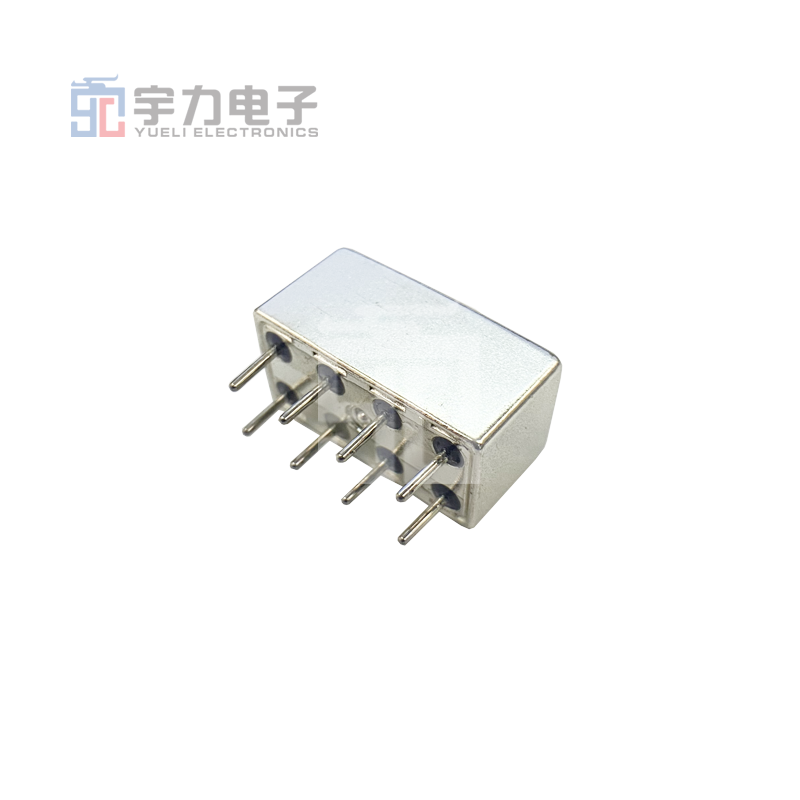
High power relays are vital components in the electronics industry, especially when dealing with systems that require the management of high voltage and high current. These relays are designed to handle significant amounts of electrical power, making them essential in various applications, from industrial machinery to automotive systems and energy management.
At its core, a high power relay functions as an electrically operated switch. It uses a low power signal to control a larger power circuit, allowing for the safe operation of high voltage systems. This feature is crucial in protecting sensitive electronic components from the dangers posed by high current loads. Typically, high power relays consist of a coil and one or more sets of contacts. When a current passes through the coil, it generates a magnetic field that pulls the contacts together, completing the circuit and allowing current to flow.
One of the primary applications of high power relays is in power distribution systems. They are commonly used in industrial settings for controlling large machinery, where the relay helps to switch motors on and off without directly exposing the control circuitry to high voltages. In the automotive industry, high power relays play a key role in managing various electrical components, such as lighting systems and power windows, ensuring they operate efficiently and safely.
Another important aspect of high power relays is their ability to provide isolation between the control circuit and the load. This isolation is essential for protecting sensitive components from potential overloads or spikes in voltage, which could lead to damage or failure. Additionally, high power relays offer the advantage of being able to manage multiple circuits simultaneously, enhancing the efficiency of electrical systems.
When selecting a high power relay for a specific application, several factors should be considered. These include the relay's voltage and current ratings, its switching time, and the type of load it will control. It's also important to evaluate the relay's physical size and mounting options to ensure compatibility with the overall design of the system.
In conclusion, high power relays are indispensable in the realm of electronics, offering critical functionality for managing high voltage and current safely. With their ability to provide control, isolation, and efficiency, understanding how these components work can significantly enhance the design and operation of various electronic systems. Whether you are involved in industrial applications or automotive designs, a solid grasp of high power relays will lead to more reliable and effective electronic solutions.
At its core, a high power relay functions as an electrically operated switch. It uses a low power signal to control a larger power circuit, allowing for the safe operation of high voltage systems. This feature is crucial in protecting sensitive electronic components from the dangers posed by high current loads. Typically, high power relays consist of a coil and one or more sets of contacts. When a current passes through the coil, it generates a magnetic field that pulls the contacts together, completing the circuit and allowing current to flow.
One of the primary applications of high power relays is in power distribution systems. They are commonly used in industrial settings for controlling large machinery, where the relay helps to switch motors on and off without directly exposing the control circuitry to high voltages. In the automotive industry, high power relays play a key role in managing various electrical components, such as lighting systems and power windows, ensuring they operate efficiently and safely.
Another important aspect of high power relays is their ability to provide isolation between the control circuit and the load. This isolation is essential for protecting sensitive components from potential overloads or spikes in voltage, which could lead to damage or failure. Additionally, high power relays offer the advantage of being able to manage multiple circuits simultaneously, enhancing the efficiency of electrical systems.
When selecting a high power relay for a specific application, several factors should be considered. These include the relay's voltage and current ratings, its switching time, and the type of load it will control. It's also important to evaluate the relay's physical size and mounting options to ensure compatibility with the overall design of the system.
In conclusion, high power relays are indispensable in the realm of electronics, offering critical functionality for managing high voltage and current safely. With their ability to provide control, isolation, and efficiency, understanding how these components work can significantly enhance the design and operation of various electronic systems. Whether you are involved in industrial applications or automotive designs, a solid grasp of high power relays will lead to more reliable and effective electronic solutions.
Xi'an Yuli Electronic Technology Co., Ltd.
Whats App:+8618122061211

Message consultation
Note: Please leave your contact information and our professionals will contact you as soon as possible!