Welcome to the official website of Xi'an Yuli Electronic Technology Co., Ltd.


Essential Safety Considerations When Working with Miniature Relays
2025-11-01
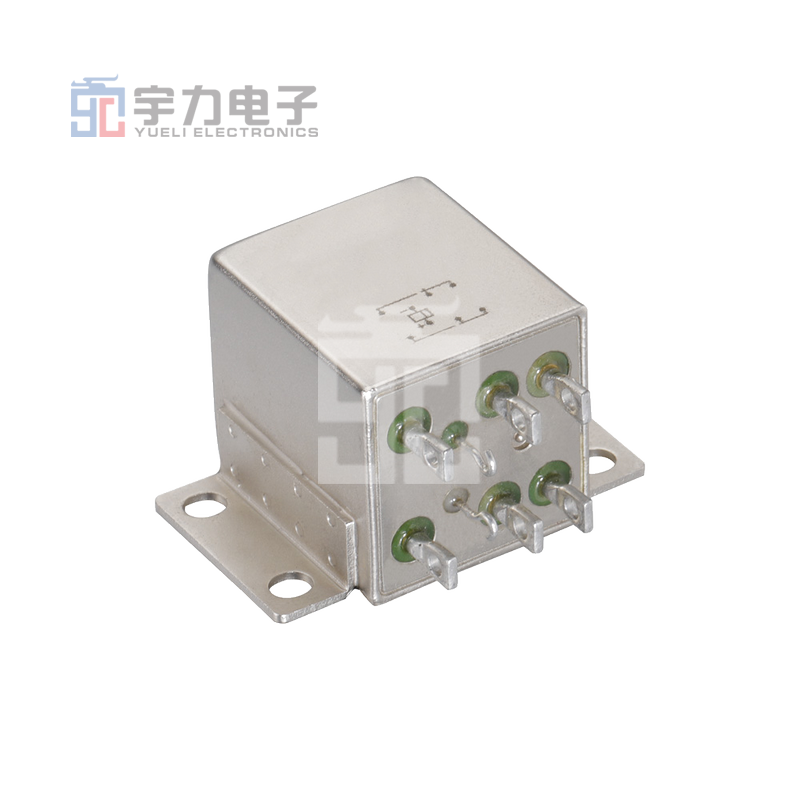
Essential Safety Considerations When Working with Miniature Relays
Working with miniature relays is common in various electronics applications, from consumer devices to industrial machinery. However, safety must always be a priority. Improper handling can lead to equipment failure, personal injury, or even catastrophic accidents. This guide will delve into the critical safety considerations for working with miniature relays, ensuring that both novices and seasoned professionals can navigate this task safely.
Table of Contents
- 1. Understanding Miniature Relays
- 2. Components of a Miniature Relay
- 3. Common Applications for Miniature Relays
- 4. Essential Safety Precautions
- 5. Handling and Installation Guidelines
- 6. Testing and Maintenance of Miniature Relays
- 7. Troubleshooting Common Issues
- 8. Frequently Asked Questions
- 9. Conclusion
1. Understanding Miniature Relays
Miniature relays are compact devices used to control high-power circuits with low-power signals. These relays serve a crucial role in switching applications, where isolation between different circuit sections is necessary. By utilizing an electromagnetic coil, miniature relays can open or close contacts to control the flow of electricity. Understanding their functionality is the first step toward ensuring safe usage.
2. Components of a Miniature Relay
Each miniature relay consists of several key components, which contribute to its overall function and safety:
Coil
The coil, made of conductive wire, generates a magnetic field when energized. This field activates the relay, causing it to switch states.
Contacts
Contacts are conductive parts that open or close the circuit. Proper selection and maintenance are crucial to avoid arcing and ensure a reliable connection.
Armature
The armature moves in response to the magnetic field from the coil, engaging or disengaging the contacts.
Enclosure
The enclosure protects the internal components from environmental factors and accidental contact. It's important to select a relay with a suitable enclosure for the application.
3. Common Applications for Miniature Relays
Miniature relays are used in various applications, including:
- Automotive systems for controlling headlights and motors
- Home appliances, such as washing machines and microwaves
- Industrial automation for controlling machinery and safety mechanisms
- Telecommunications devices for signal switching
4. Essential Safety Precautions
When working with miniature relays, several safety precautions must be taken into account to minimize risks:
1. Ensure Power is Disconnected
Before handling a miniature relay, always disconnect power to the circuit. This simple step can prevent electric shocks and equipment damage.
2. Use Personal Protective Equipment (PPE)
Wear appropriate PPE, such as gloves and safety goggles, to protect against electrical hazards and sharp components.
3. Be Aware of Voltage Ratings
Always check the voltage ratings of the miniature relay and ensure that they match the application requirements. Using a relay beyond its rated voltage can lead to overheating and failure.
4. Avoid Overloading
Do not exceed the relay's current rating. Overloading can cause excessive heat and damage the relay, potentially leading to failure.
5. Proper Grounding
Ensure that the relay is properly grounded. This will help prevent electric shocks and ensure that the circuit functions correctly.
5. Handling and Installation Guidelines
Correct handling and installation can significantly enhance safety and performance.
1. Follow Manufacturer Instructions
Always adhere to the manufacturer's installation and handling instructions. These guidelines provide vital information on how to handle the relay safely.
2. Utilize Appropriate Tools
Use the correct tools for installation, such as soldering irons or screwdrivers, to minimize the risk of damage.
3. Maintain Cleanliness
Keep the workspace clean and free of conductive materials. Dirt and debris can interfere with the relay's operation.
4. Check Connections
Before powering up the circuit, double-check all connections to ensure they are secure and correctly configured.
6. Testing and Maintenance of Miniature Relays
Regular testing and maintenance are crucial for ensuring the longevity and safety of miniature relays.
1. Visual Inspections
Conduct routine visual inspections to check for signs of wear, damage, or corrosion.
2. Functional Testing
Perform functional tests to ensure the relay operates correctly under load conditions.
3. Clean Contacts
Clean the contacts periodically to prevent oxidation and buildup that could impede performance.
7. Troubleshooting Common Issues
Despite taking precautions, issues may arise. Here are common problems and their solutions:
1. Relay Does Not Engage
- Check the coil voltage to ensure it matches the relay rating.
- Inspect for broken connections or damaged components.
2. Relay Sticks or Fails to Release
- Verify that the relay is not overloaded.
- Inspect for mechanical obstructions or damage.
3. Intermittent Operation
- Examine for loose connections.
- Check for environmental factors like humidity affecting performance.
8. Frequently Asked Questions
1. What is a miniature relay?
Miniature relays are compact switches that control high-power circuits with low-power signals, typically used in various electronic applications.
2. How do I choose the right miniature relay?
Select a relay based on its voltage and current ratings, contact configuration, and the specific requirements of your application.
3. Can I use a miniature relay for high-voltage applications?
Yes, but ensure the relay is rated for the voltage you intend to use to prevent malfunction or hazards.
4. What should I do if a relay overheats?
Turn off the power immediately and investigate potential overloads or short circuits that may have caused the overheating.
5. How often should I perform maintenance on my relays?
Regular maintenance should be performed at least once every six months, or more frequently in high-use environments.
9. Conclusion
Working with miniature relays requires careful attention to safety considerations. By understanding the components, applications, and safety precautions, we can ensure not only the efficient operation of devices but also the safety of those who work with them. Following the guidelines outlined in this article will help prevent accidents, prolong the lifespan of relays, and maintain their reliable performance. Remember, safety is a continuous process, and staying informed will lead to better practices in the field of electronics.
Xi'an Yuli Electronic Technology Co., Ltd.
Whats App:+8618122061211

Message consultation
Note: Please leave your contact information and our professionals will contact you as soon as possible!