Welcome to the official website of Xi'an Yuli Electronic Technology Co., Ltd.


Unlocking the Potential of High Power Relays: A Comprehensive Guide
2025-11-14
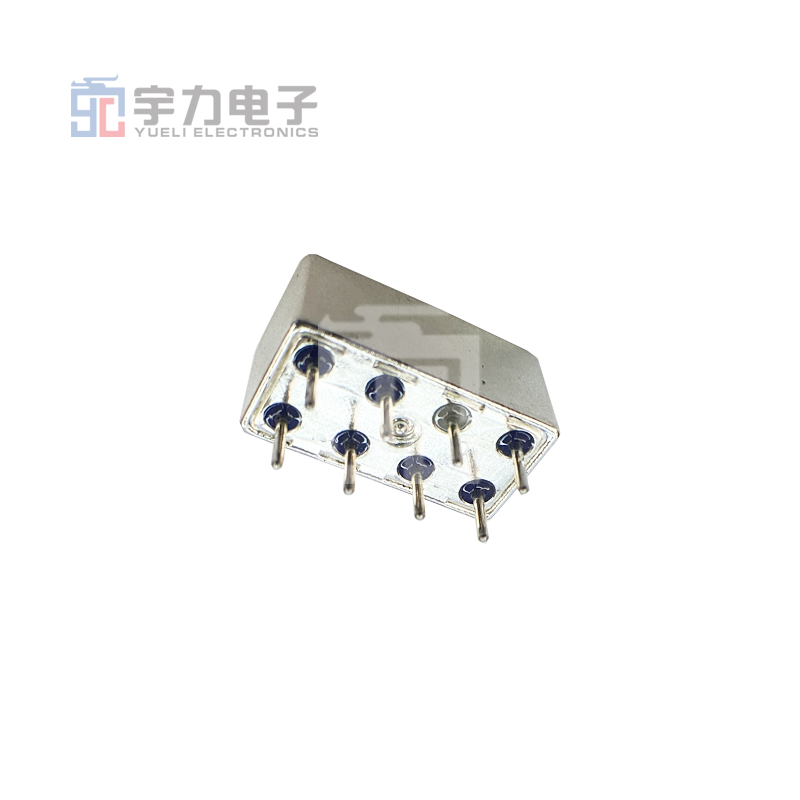
High power relays are essential components in various electronic applications, particularly where the control of high voltage or high current circuits is necessary. These devices serve as electrically operated switches that allow low power signals to control the flow of high power circuits, making them indispensable in industrial settings, automotive systems, and home automation.
One of the primary advantages of high power relays is their ability to isolate different sections of a circuit while managing significant power levels. This characteristic not only enhances safety but also improves the reliability of the overall system. When selecting a high power relay, it's crucial to consider factors such as the maximum voltage and current ratings, coil voltage specifications, and the environmental conditions in which the relay will operate.
In industrial applications, high power relays are often used in motor control systems, enabling operators to start and stop motors safely and efficiently. These relays can handle the inrush currents associated with motor start-up, protecting other components in the system from damage. Additionally, high power relays are widely employed in energy management systems for controlling large electrical loads, such as those found in renewable energy installations and smart grid applications.
The construction of high power relays typically involves robust materials designed to withstand high thermal and electrical stress. Many high power relays feature advanced contact materials and designs that minimize wear and tear, ensuring a longer operational life. They may also include features like built-in protection mechanisms to prevent overload conditions, which is particularly important in applications where reliability is critical.
Another significant application is in the automotive industry, where high power relays play a role in various systems, including lighting controls, power distribution, and safety systems. The ability of high power relays to withstand harsh environments makes them ideal for automotive applications, where temperature fluctuations, vibrations, and moisture can affect performance.
When integrating high power relays into your projects, it's essential to consider the overall design and how these components will interact with other parts of your system. Proper circuit design, including the use of flyback diodes and correct wiring techniques, can significantly enhance the performance and reliability of high power relay systems.
In conclusion, high power relays are critical components in many electronic and electrical applications. Understanding their functionality, selection criteria, and best practices for integration can lead to improved system performance and longevity. Whether you are involved in industrial automation, automotive engineering, or energy management, leveraging high power relays effectively can greatly enhance your project's success.
One of the primary advantages of high power relays is their ability to isolate different sections of a circuit while managing significant power levels. This characteristic not only enhances safety but also improves the reliability of the overall system. When selecting a high power relay, it's crucial to consider factors such as the maximum voltage and current ratings, coil voltage specifications, and the environmental conditions in which the relay will operate.
In industrial applications, high power relays are often used in motor control systems, enabling operators to start and stop motors safely and efficiently. These relays can handle the inrush currents associated with motor start-up, protecting other components in the system from damage. Additionally, high power relays are widely employed in energy management systems for controlling large electrical loads, such as those found in renewable energy installations and smart grid applications.
The construction of high power relays typically involves robust materials designed to withstand high thermal and electrical stress. Many high power relays feature advanced contact materials and designs that minimize wear and tear, ensuring a longer operational life. They may also include features like built-in protection mechanisms to prevent overload conditions, which is particularly important in applications where reliability is critical.
Another significant application is in the automotive industry, where high power relays play a role in various systems, including lighting controls, power distribution, and safety systems. The ability of high power relays to withstand harsh environments makes them ideal for automotive applications, where temperature fluctuations, vibrations, and moisture can affect performance.
When integrating high power relays into your projects, it's essential to consider the overall design and how these components will interact with other parts of your system. Proper circuit design, including the use of flyback diodes and correct wiring techniques, can significantly enhance the performance and reliability of high power relay systems.
In conclusion, high power relays are critical components in many electronic and electrical applications. Understanding their functionality, selection criteria, and best practices for integration can lead to improved system performance and longevity. Whether you are involved in industrial automation, automotive engineering, or energy management, leveraging high power relays effectively can greatly enhance your project's success.
Xi'an Yuli Electronic Technology Co., Ltd.
Whats App:+8618122061211

Message consultation
Note: Please leave your contact information and our professionals will contact you as soon as possible!