Welcome to the official website of Xi'an Yuli Electronic Technology Co., Ltd.


Understanding the Electrical Characteristics of Miniature Relays: A Comprehensive Guide
2025-11-15
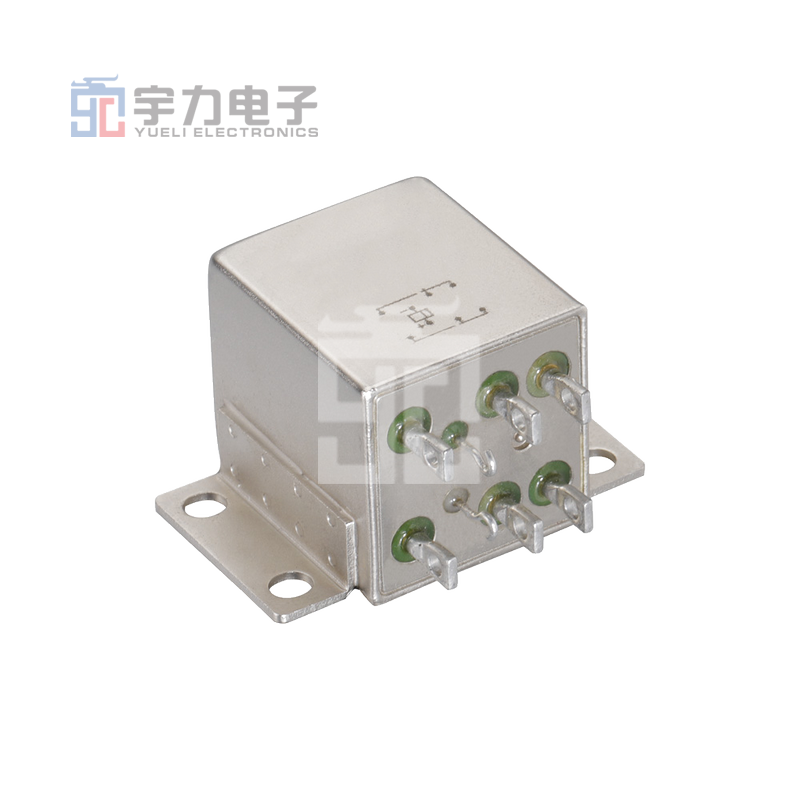
Understanding the Electrical Characteristics of Miniature Relays
Miniature relays are critical components in a variety of electronic circuits, serving as switches that manage the flow of electricity. Despite their small size, they exhibit significant electrical characteristics that dictate their performance and suitability for different applications. In this detailed guide, we will explore the critical aspects of miniature relays, including their electrical specifications, operational principles, and practical considerations for implementation.
Table of Contents
1. Introduction to Miniature Relays
2. Key Electrical Characteristics of Miniature Relays
2.1 Coil Voltage Ratings
2.2 Contact Ratings
2.3 Switching Capacity
2.4 Insulation Resistance
2.5 Dielectric Strength
3. Types of Miniature Relays and Their Applications
4. Factors Influencing Relay Performance
4.1 Temperature Effects
4.2 Load Types
4.3 Frequency of Operation
5. Selecting the Right Miniature Relay for Your Application
6. Common Issues and Troubleshooting Miniature Relays
7. Conclusion
8. FAQs
1. Introduction to Miniature Relays
Miniature relays are electromagnetic switches used to control the flow of current in electronic circuits. Their compact size makes them ideal for applications where space is at a premium. These devices operate based on the principle of electromagnetic induction, utilizing a coil and a movable armature to open or close contacts, thereby allowing or interrupting the current flow.
The versatility of miniature relays makes them suitable for various applications, from automotive systems to consumer electronics. Understanding their electrical characteristics is crucial for engineers and designers to make informed decisions when selecting relays for specific tasks.
2. Key Electrical Characteristics of Miniature Relays
To effectively utilize miniature relays, one must grasp the fundamental electrical characteristics that define their performance. Below are some of the most critical specifications to consider.
2.1 Coil Voltage Ratings
Coil voltage ratings refer to the voltage required to energize the relay's coil. Miniature relays typically come in various voltage ratings, including 5V, 12V, 24V, and more. Selecting the correct voltage is vital, as an incorrect value can lead to malfunction or damage. Users should always verify the relay's specifications to ensure compatibility with their circuit.
2.2 Contact Ratings
Contact ratings indicate the maximum electrical load that the relay’s contacts can handle. This specification is usually expressed in terms of voltage and current (e.g., 10A at 250V AC). Exceeding these ratings can result in contact welding or failure. It is crucial to select a relay with contact ratings that exceed the expected load in your application.
2.3 Switching Capacity
Switching capacity denotes the maximum load the relay can handle during its operations. This includes both the resistive load (like bulbs) and inductive load (like motors). Understanding your load type is essential to ensure reliable operation. For example, motors often require relays with higher switching capacities due to their inrush current.
2.4 Insulation Resistance
Insulation resistance measures how well the relay can prevent electrical current from leaking between its contacts and the coil. High insulation resistance values (often in the megaohm range) are desirable, as they indicate less risk of electrical interference or failure. Testing insulation resistance is crucial, especially in high-voltage applications.
2.5 Dielectric Strength
Dielectric strength refers to the ability of the relay to withstand high voltage without breaking down. This characteristic is particularly crucial in environments where relays are exposed to surges or spikes in voltage. Selecting a relay with adequate dielectric strength is essential to ensure long-term reliability and performance.
3. Types of Miniature Relays and Their Applications
Miniature relays come in various types, each tailored for specific applications. Understanding these types helps in selecting the right relay for a project. Common types include:
- **Electromechanical Relays (EMRs)**: Traditional relays that use mechanical movements to switch.
- **Solid-State Relays (SSRs)**: Utilize semiconductor devices to perform switching without moving parts, offering faster response times and longer life spans.
- **Reed Relays**: Consist of reed switches enclosed in a glass tube, activated by a magnetic field, generally used in low-power applications.
Applications for miniature relays include automotive control systems, HVAC systems, industrial automation, and home appliances. Each type and application presents unique requirements for electrical characteristics.
4. Factors Influencing Relay Performance
Several factors can significantly impact the performance of miniature relays. Understanding these factors is essential for optimal functioning.
4.1 Temperature Effects
Operating temperature affects the performance and longevity of miniature relays. Higher temperatures can lead to increased coil resistance, while low temperatures can affect the relay’s ability to actuate properly. Always consider the expected temperature range when selecting a relay for a specific application.
4.2 Load Types
The nature of the load being switched can profoundly influence relay performance. Inductive loads, such as motors, can create voltage spikes that may damage the relay. In contrast, resistive loads are generally easier on relays. Understanding the load type helps in selecting relays with appropriate ratings and protections.
4.3 Frequency of Operation
The frequency at which a relay operates can impact its durability and performance. Frequent switching can lead to wear and tear, especially in electromechanical relays. Designers should analyze the operational frequency and select relays that can handle the required cycles without failure.
5. Selecting the Right Miniature Relay for Your Application
Choosing the appropriate miniature relay involves evaluating multiple parameters, including voltage ratings, contact ratings, and load types. Here are some steps to consider:
1. **Identify Operational Requirements**: Determine the voltage, current, and type of load your relay will control.
2. **Consider Environmental Factors**: Assess temperature extremes, humidity levels, and potential exposure to contaminants.
3. **Evaluate Electrical Characteristics**: Ensure that the relay meets all necessary specifications for insulation resistance and dielectric strength.
4. **Plan for Longevity**: Select a relay with a suitable life expectancy based on the expected frequency of operation.
Following these steps will aid in selecting a miniature relay that meets all operational requirements while ensuring reliability.
6. Common Issues and Troubleshooting Miniature Relays
Despite their reliability, miniature relays can experience issues. Understanding common problems can help in troubleshooting effectively.
- **Coil Failure**: This can occur due to over-voltage or thermal stress. Regular inspection of the coil is necessary.
- **Contact Welding**: Often caused by excessive load or inductive spikes, contact welding prevents the relay from operating correctly. Using snubber circuits can help mitigate this problem.
- **Insulation Breakdown**: Insulation can degrade over time, especially in high-voltage applications. Regular testing of insulation resistance is crucial.
Addressing these issues promptly can extend the lifespan of miniature relays and ensure consistent performance.
7. Conclusion
In summary, understanding the electrical characteristics of miniature relays is essential for anyone involved in electronic design and engineering. By comprehensively evaluating coil voltage ratings, contact ratings, switching capacity, insulation resistance, and dielectric strength, we can make informed decisions that enhance the reliability and efficiency of our applications. Whether designing automotive systems, industrial automation, or consumer electronics, selecting the right miniature relay is pivotal for success.
8. FAQs
Q1: What is the typical lifespan of a miniature relay?
A1: The lifespan of a miniature relay varies based on the type and operating conditions, generally ranging from 1 million to 10 million cycles for electromechanical relays.
Q2: How do I choose a relay for a microcontroller application?
A2: Select a relay with a coil voltage compatible with the microcontroller’s output and ensure it can handle the required load.
Q3: Are there miniature relays that are immune to electromagnetic interference?
A3: Yes, solid-state relays are less susceptible to electromagnetic interference compared to electromechanical relays.
Q4: Can I use a miniature relay in high-temperature environments?
A4: Always check the relay's specifications for maximum operating temperature and select accordingly; some relays are designed for harsh environments.
Q5: What are the advantages of using solid-state relays over electromechanical relays?
A5: Solid-state relays offer faster switching times, longer lifespans, and no mechanical wear, making them suitable for high-frequency applications.
This comprehensive guide aims to empower you with the knowledge needed to navigate the complexities of miniature relays and their electrical characteristics effectively.
Xi'an Yuli Electronic Technology Co., Ltd.
Whats App:+8618122061211

Message consultation
Note: Please leave your contact information and our professionals will contact you as soon as possible!