Welcome to the official website of Xi'an Yuli Electronic Technology Co., Ltd.


Understanding Sealed Relays: Essential Components for Reliable Performance
2025-11-16
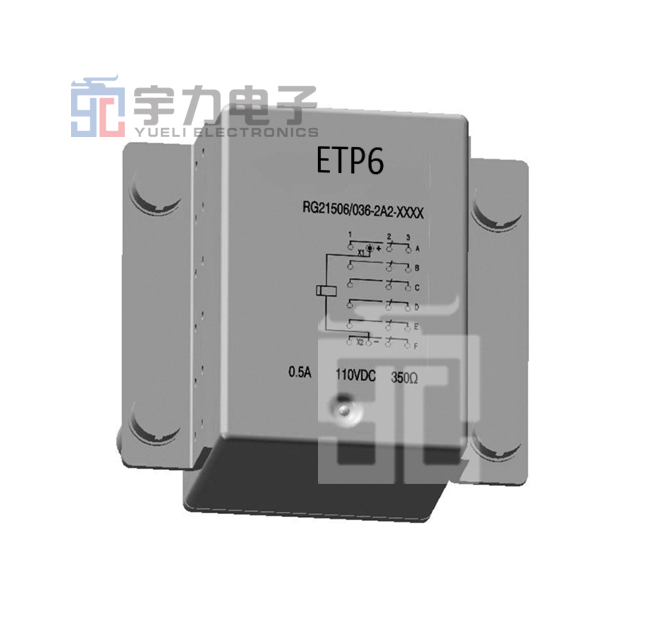
Sealed relays are critical components in the realm of electronic devices, particularly in applications requiring robust performance under challenging conditions. Unlike standard relays, sealed relays feature a protective casing that shields their internal mechanisms from dust, moisture, and other external contaminants. This design ensures that the relay can maintain its functionality in demanding environments, making it an ideal choice for automotive, industrial, and outdoor applications.
One of the primary advantages of sealed relays is their ability to enhance durability and reliability. The sealed housing prevents ingress of foreign materials, which can lead to oxidation or corrosion of internal components. As a result, sealed relays can operate for extended periods without degradation, reducing the need for frequent replacements and minimizing maintenance costs.
Sealed relays come in various configurations, including electromagnetic and solid-state types. Electromagnetic sealed relays typically consist of a coil and a set of contacts that open or close an electrical circuit when electricity flows through the coil. In contrast, solid-state sealed relays utilize semiconductor components to perform switching operations, offering higher speed and reliability while generating minimal heat.
Another important aspect of sealed relays is their versatility. They are available in multiple voltage and current ratings, allowing engineers and designers to select the most suitable relay for their specific applications. Whether it’s controlling high-power motors, managing lighting systems, or facilitating communication in complex electronic systems, there is likely a sealed relay designed to meet those needs.
When selecting a sealed relay, it's crucial to consider factors such as switching speed, load capacity, and environmental conditions. For instance, applications in extreme temperatures may require relays specifically designed to withstand thermal fluctuations. Additionally, understanding the electrical characteristics, such as inrush current and contact ratings, will ensure optimal performance and longevity.
In summary, sealed relays are invaluable components in the electronic component industry, particularly within the realm of relays and their applications. Their robust design offers protection against environmental hazards, enhancing reliability and durability in critical applications. By understanding the features and benefits of sealed relays, professionals can make informed decisions that contribute to the efficiency and effectiveness of their electronic systems.
One of the primary advantages of sealed relays is their ability to enhance durability and reliability. The sealed housing prevents ingress of foreign materials, which can lead to oxidation or corrosion of internal components. As a result, sealed relays can operate for extended periods without degradation, reducing the need for frequent replacements and minimizing maintenance costs.
Sealed relays come in various configurations, including electromagnetic and solid-state types. Electromagnetic sealed relays typically consist of a coil and a set of contacts that open or close an electrical circuit when electricity flows through the coil. In contrast, solid-state sealed relays utilize semiconductor components to perform switching operations, offering higher speed and reliability while generating minimal heat.
Another important aspect of sealed relays is their versatility. They are available in multiple voltage and current ratings, allowing engineers and designers to select the most suitable relay for their specific applications. Whether it’s controlling high-power motors, managing lighting systems, or facilitating communication in complex electronic systems, there is likely a sealed relay designed to meet those needs.
When selecting a sealed relay, it's crucial to consider factors such as switching speed, load capacity, and environmental conditions. For instance, applications in extreme temperatures may require relays specifically designed to withstand thermal fluctuations. Additionally, understanding the electrical characteristics, such as inrush current and contact ratings, will ensure optimal performance and longevity.
In summary, sealed relays are invaluable components in the electronic component industry, particularly within the realm of relays and their applications. Their robust design offers protection against environmental hazards, enhancing reliability and durability in critical applications. By understanding the features and benefits of sealed relays, professionals can make informed decisions that contribute to the efficiency and effectiveness of their electronic systems.
Xi'an Yuli Electronic Technology Co., Ltd.
Whats App:+8618122061211

Message consultation
Note: Please leave your contact information and our professionals will contact you as soon as possible!